What is Dream Pop?

Otherworldly, melodic, enchanting. Dream pop takes alternative rock style and makes a sound entirely of its own. With heavy synths, layered vocals, and reverb guitar, the genre can only be described as atmospheric.

A Brief History of Dream Pop

Dream Pop began to take form in the late 80s as a subgenre of alternative music, with influences from the late 60s psychedelic rock scene. The work of artists such as Cocteau Twins and Slowdive later established dream pop as its own genre. Cocteau Twins’ Head Over Heels (1983) was an early album that predicted the band’s later dream pop commercial success.

Yet, the term “dream pop” was not coined until the late 80s by the duo A.R. Kane, who used it to describe their captivating music. Dream pop is just that: a captivating, full body immersion into the minds of the artists. By the 90s, the genre had cemented itself into the music scene through artists like My Bloody Valentine, Slowdive, and A.R. Kane.

Characteristics of Dream Pop

The production of dream pop centres around texture. Whether it’s the synths, breathy vocals, or reverb guitar, the whole concept of dream pop is right there in the name: dreamy. Much of the time, the production is dense and heavy, making it a bit difficult to make out what lyrics are being sung. Don’t let this fool you, as the lyrics aren’t something to overlook. They tie together with the production to create tracks you can simply doze, or dream, off too.

Dream Pop Artists to Know:

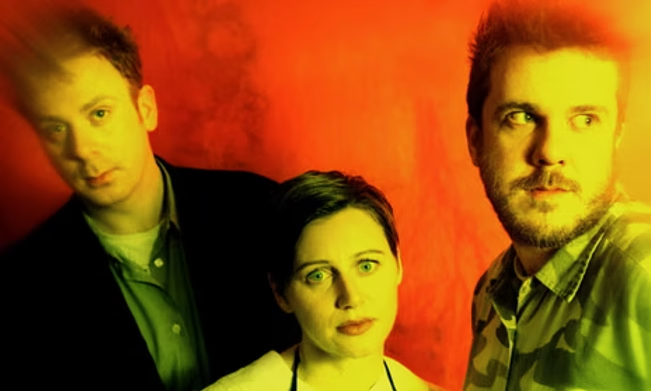
Cocteau Twins

If dream pop had a designated founder, it’d be Cocteau Twins. The Scottish rock band used fuzzy guitars, heavily-layered vocals, and sonic textures to curate their sound. Albums like Heaven or Las Vegas (1990) received commercial acclaim, influencing current dream pop artists.

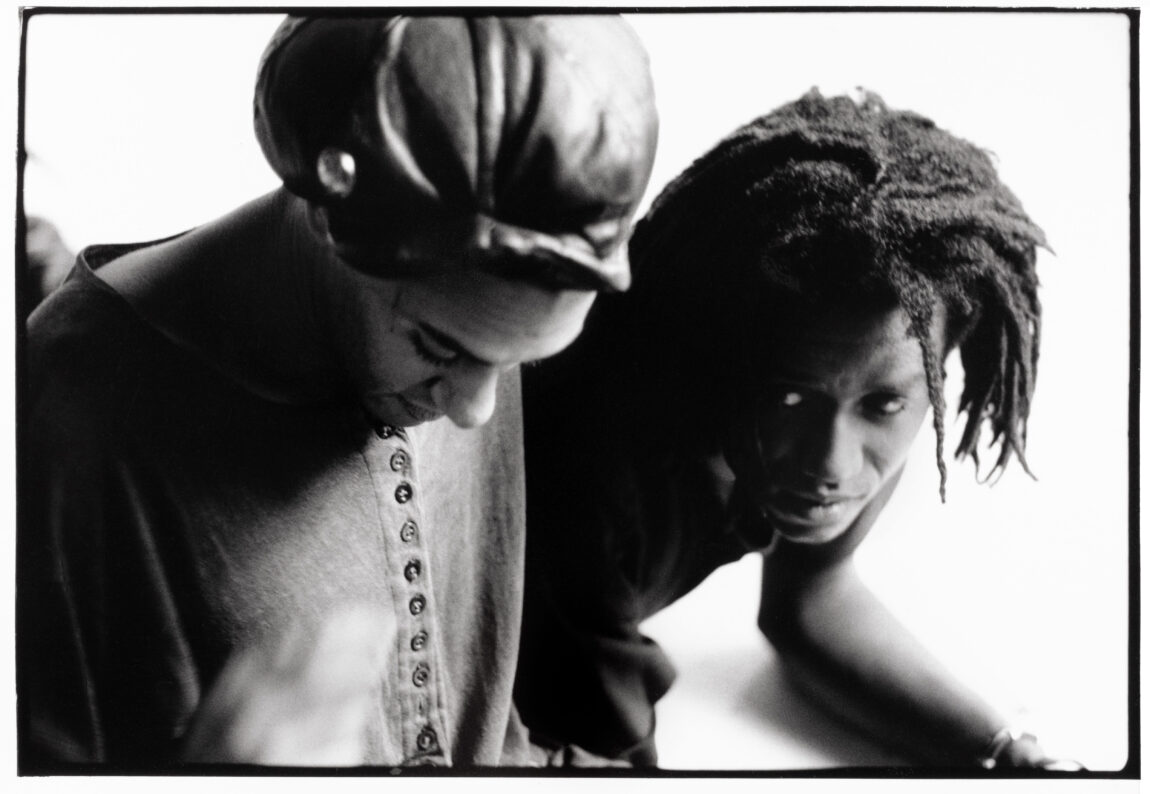
A.R. Kane

Formed by two childhood friends, this duo is credited for coining the term “Dream pop”, earning themselves a spot on the must-listen list. Never ones to let boundaries define them, A.R. Kane put their own spin on the dream pop sound through their trademark guitar noises. Check out their debut album Sixty Nine (1988).

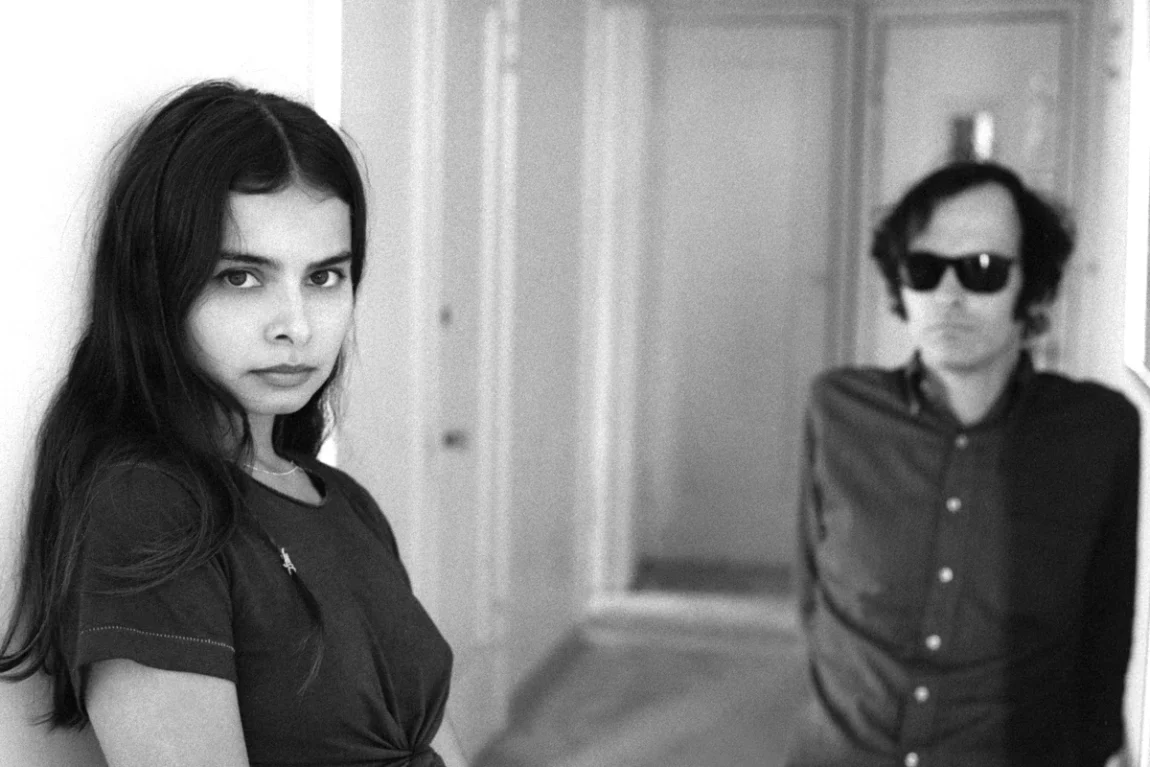
Mazzy Star

Formed in the late 80s out of Santa Monica, California, Mazzy Star is remembered as one of the most pivotal dream pop bands. Group vocalist Hope Sandoval hypnotized the world with her voice on tracks like Fade Into You (1993) and Be My Angel (1990). The band’s sound remains timeless, regaining popularity in Gen-Z in recent years.

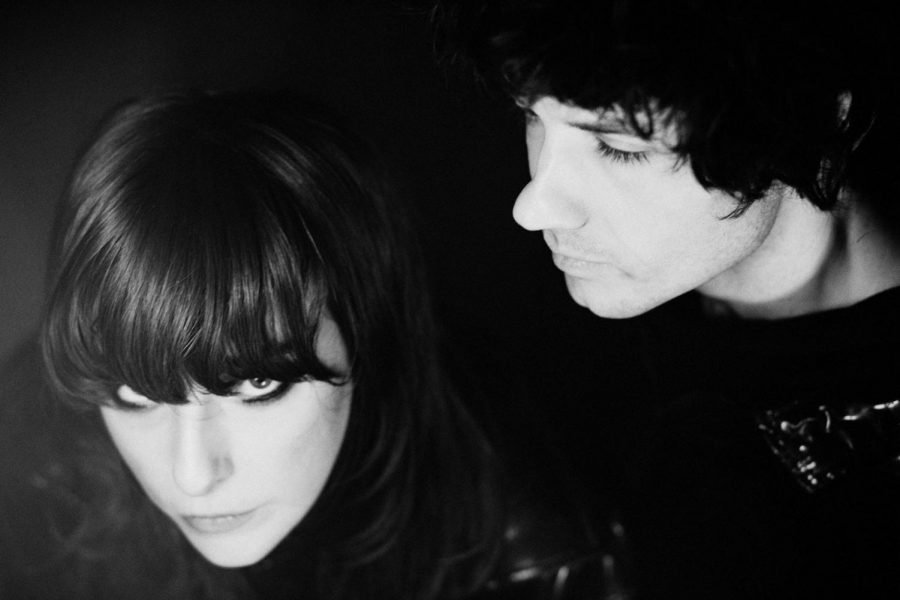
Beach House

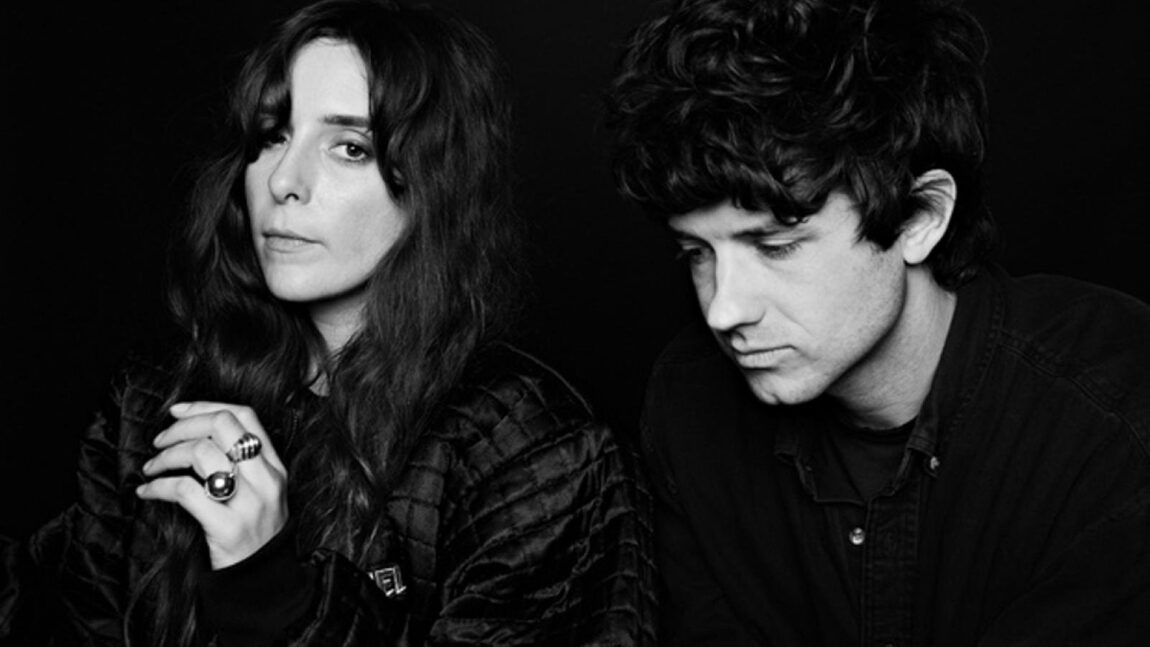
An American-based dream pop band, Beach House continued the rise of dream pop in the 90s with their debut album Beach House (2006). Since then, the duo has gained commercial success through their album Bloom (2012) and Depression Cherry (2015).

Alvvays

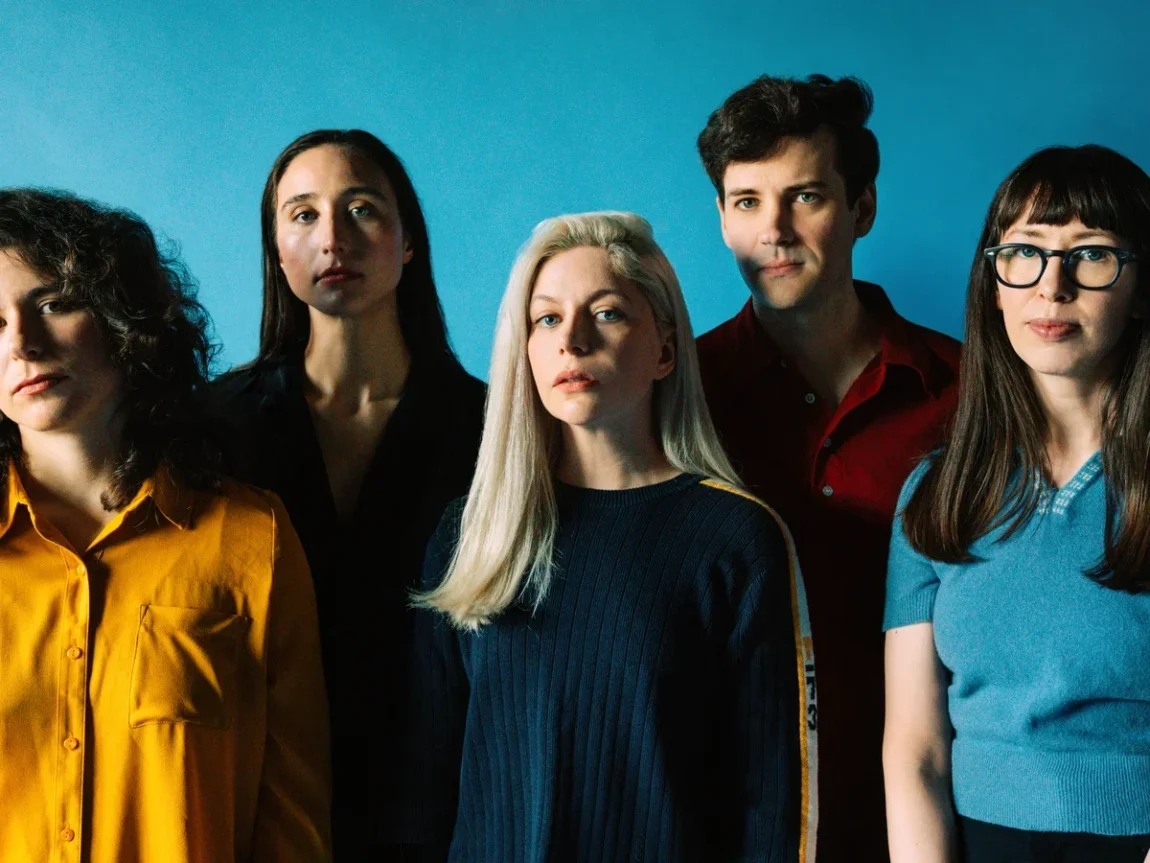
Formed in 2011, Alvvays gained critical acclaim for their three albums Alvvays (2014), Antisocialities (2017), and Blue Rev (2022), with the latter receiving a Grammy nomination for Best Alternative Music Performance at the 66th Annual GRAMMYs and a Juno Award for Alternative Album of the Year. The 4-piece band brings dream pop sounds to the indie/alternative genre.

For dream pop artists ready to promote an upcoming release, working with Decent Music provides the expertise and resources to build organic exposure and tangible value for independent artists.

What is Synth-Pop?

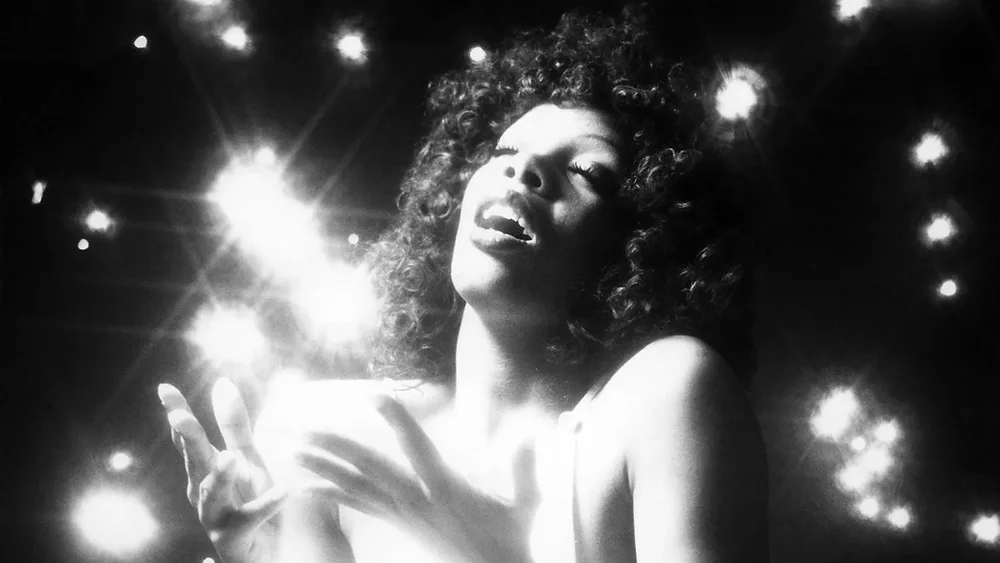
It’s 1977, Brian Eno is based in divided Berlin making Heroes with David Bowie. On the very first day of the year, Boston-born artist Donna Summer released a track that would have a significant impact on Eno and Bowie’s creative direction with the album, ‘I Feel Love’, an iconic tune of the disco era. Armed with the 7” single, Eno, fuelled with creative inspiration, rushed to the studio and declared to Bowie, “This single is going to change the sound of club music for the next 15 years.” He was, of course, correct. But what was it that made this track specifically so unique? And what sound from it created its own subgenre within pop. That would be its distinct use of synthesizers, and the subsequent synth-pop.Artist Donna Summer and her revolutionary synth-pop hit 'I Feel Love'

The Birth of Synth-Pop

The synthesizer, according to its dictionary definition, is an electronic musical instrument, typically operated by a keyboard, producing a wide variety of sounds by generating and combining signals of different frequencies. It opened up an entirely untouched sound that would become a cornerstone of the 80s new wave and post-punk movements. However, it wasn’t just any synthesizer that ignited this move towards electronic music. The Fairlight CMI, short for Computer Musical Instrument, changed the game of electronic music. Rising to prominence in the early 1980s, it revolutionised the musical process, with Stevie Wonder using the instrument on his 1979 album Journey Through “The Secret Life of Plants”, where the Fairlight CMI replaced the Computer Music Melodian sampler that Wonder had originally used on the recording. By 1984, Devo were using the Fairlight CMI at the expense of analogue instruments on their debut album Shout, much to the dismay of classical and rock icons.

Synth-pop controversies: from Tony Kaye to Queen

The history of synth-pop, however, is not a straightforward one. Out of the use of synthetic sounds arose a debate between those who welcomed electronic music and those who believed it degraded ‘real’ music made with analogue instruments. The synthesizer was seen as a faux pas for people who considered themselves ‘real artists’, as they argued it made approximations of sound rather than the ‘real thing’. According to an article by MusicRadar, the famous keyboard player, Tony Kaye, proudly denounced the use of synth tech, arguing that rock’s holy combination of piano and Hammond organ was all that was needed to create true artful rock.

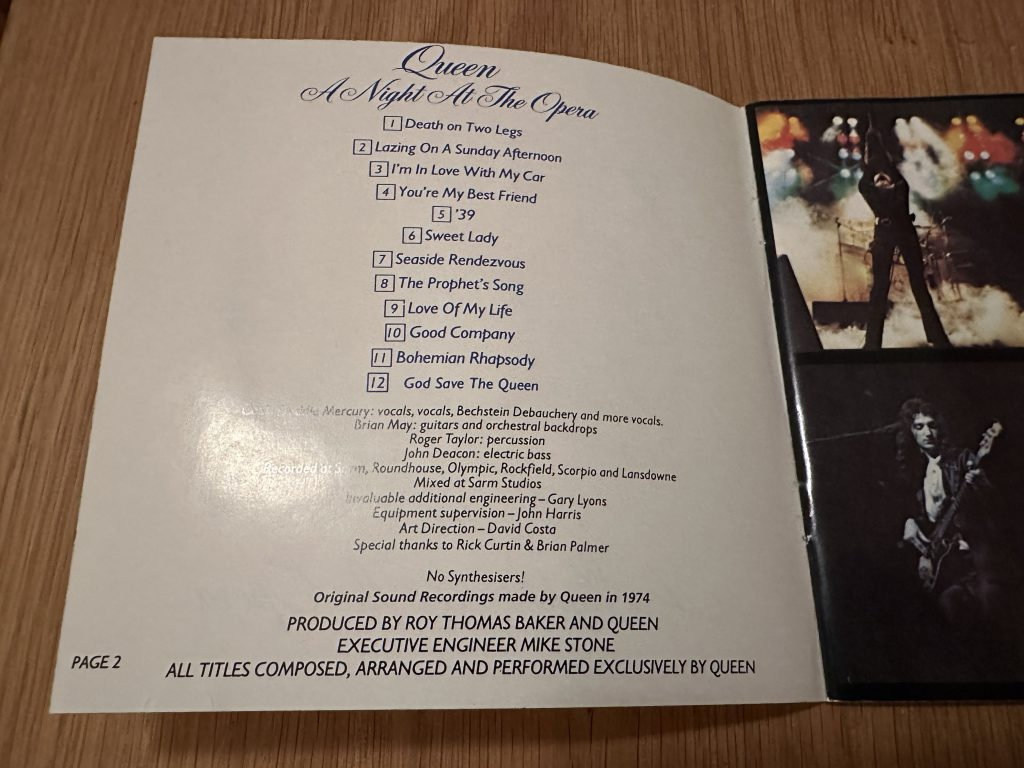
As the controversy around synthesizers raged on into the 80s, Queen famously wrote ‘No Synthesizers!’ on the sleeve notes of their early albums. Marking one of the most infamous anti-synth statements of the era. The truth behind this statement is a mixture of misunderstanding and sensationalism. Sounds that critics assumed came about through the use of technology were actually the pure talent of guitarist Brian May, and once the band ran the joke thin, they removed the sleeve note boast and actually began experimenting with synth sounds.Credit: ‘No Synths! Use of AI in scientific publications’ by Stephen Royle, Quantixed 2023.

Germany and the Synthesizer

Despite rock icons expressing their dismay with synth-pop, others championed the artists who were not afraid to introduce synthetic sounds. Returning to Eno and Bowie in Berlin, it seems almost ironic that Eno discovered synth sounds through an American artist, when electronic music originated in the country where they were recording, Germany.

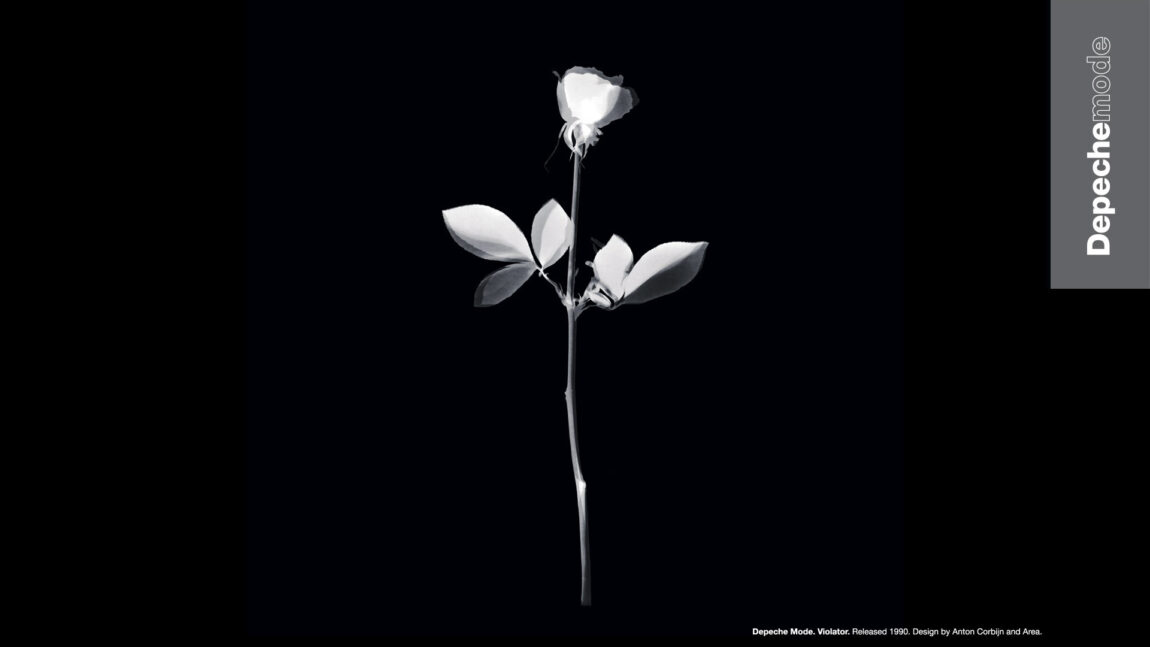
German-based band Kraftwerk helped pioneer the sound with their iconic 1978 album The Man-Machine (a rather fitting title). With the band being inducted into the Rock & Roll Hall of Fame in 2021, they were credited with being the ‘fathers of electronic music’. The induction ceremony included a video tribute featuring many artists such as, Depeche Mode, LCD Soundsystem, and The Human League, expressing their admiration for the group. Many of the artists featured, in particular those listed, utilised the synth/electronic sounds of Kraftwerk in their works, creating some of the most recognisable albums of the new wave era, such as, The Human League’s Dare, Gary Newman’s The Pleasure Principle, and Depeche Mode’s Violator.

Legacy & Modern Synth-Pop

Despite its slightly tumultuous history, synth pop still rages on in the twenty-first century. Albums such as Tame Impala’s Currents, Magdalena Bay’s Imaginal Disk, and Grimes’s Visions, are all examples of highly successful synth-pop albums released in the past fifteen years.

The previously mentioned album Imaginal Disk, by pop-duo Magdalena Bay, released in August 2024, received 5 stars from NME. The album has been described as avoiding the influence of new music ‘almost entirely’. With much of this sound being credited to its synth-pop edge, which gives the album a sort of timelessness, in the opinion of NME’s Otis Robinson.

This emphasis on timelessness is important for the ongoing use of electronic/synth sounds in modern music. While to some it may feel dated, by just listening to Magdalena Bay and comparing it to The Human League, for example, we can uncover the ever-changing sounds of the synthesizer. In this way, despite controversies and arguably pretentious dismissals of the electronic musical instrument, we have a lot of great music that we have the synthesiser to thank for.

For synth-pop artists ready to promote an upcoming release, working with Decent Music provides the expertise and resources to build organic exposure and tangible value for independent artists.

How Dark Academia Revived Instrumental Music

What is “Dark Academia” music? 

TikTok is dominating the market, with hits and fast-paced pop going viral repeatedly. Few would have predicted that moody classical music and instrumental soundscapes would make a comeback. Yet, nestled in the candlelit corners of YouTube, Spotify playlists and Pinterest mood boards, Dark Academia music has quietly become the soundtrack of a generation longing for depth, intellect, and peace.

Dark Academia, at it’s core, is an aesthetics movement, blending classical literature, gothic ruins and melancholic romanticism. Think dimly lit libraries on a rainy afternoon with a worn tote bag in tow. Musically, it fuses classical compositions, piano-led instrumentals, and ambient sounds.

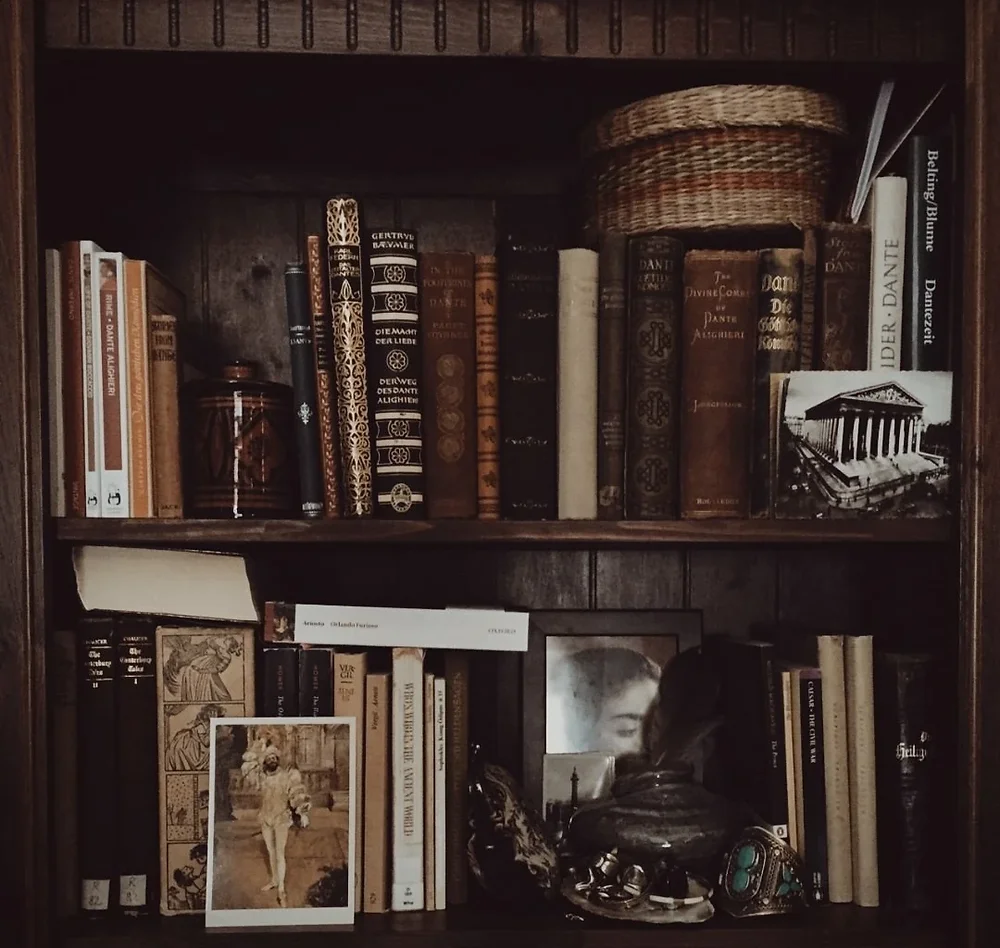
Dark, wooden bookshelf full with old books, classics. Some photographs of Greek architecture and portraits of historical figures also feature.

The Modern Renaissance 

Its rise arguably came from the site Tumblr, cementing it as a cultural movement. On current social media, especially TikTok, Dark Academia has turned quiet study music into a global trend (encompassing BookTok). On Spotify, the numbers speak for themselves, with Dark Academia playlists gathering hundreds of thousands of followers and millions of streams.

The Quiet Revolution of Instrumentals 

​​It’s not confined to one style or period. Some playlists feature Chopin and Debussy; others lean into cinematic scores or lo-fi classical remixes. The result is music that feels timeless, somehow both old and new at once. For years, instrumental music struggled to find mainstream listeners, whereas now, the youth crave it, cultivating millions of streams. You’re no longer the nerd for listening to classical music – now, you’re a romanticised lover.

A historic gargoyle looks over a foggy city. Repetitive, brick-built structures line the streets.

Why does it Resonate in the Current Climate? 

These collections of instrumental tracks help listeners focus, reflect, and escape the noise of modern life. The blend of piano, cello as well as textured audios create rich experiences for the listeners. In a world of overstimulation, Dark Academia offers calm through music, not words. Every aspect of modern life is overwhelming, leaving people yearning for meaning and stillness.

Artists and Emotional Depth

This revival has given rise to a new wave of artists. Composers like Ludovico Einaudi and Olafur Arnalds blend the cinematic world of music and minimalist piano. Agnes Obel, my personal favourite, produces neoclassical arrangements that could easily score a gothic novel. ‘September Song’ feels as though I’m running through castle grounds covered in tweed, mimicking the story of pride and prejudice. That sense of imagery conveyed through this ‘genre’ is incomparable. Even modern classical icons like Max Richter are making renewed relevance; younger audiences discovering their haunting compositions and using it to soundtrack their own lives. This music doesn’t demand attention but invites reflection.

For dark academia artists ready to promote an upcoming release, working with Decent Music provides the expertise and resources to build organic exposure and tangible value for independent artists.

What is Folktronica?

Folktronica is a unique genre that blends traditional folk elements with electronica elements, often including hints of hip-hop, dance, and pop. At its core, folktronica pushes the limits of genre-bending, incorporating futuristic production to the nostalgic roots of folk.

A Brief History of Folktronica:

The eccentric blend originated in the 90s, with the name “Folktronica” later coined by the British Press in 2001. British electronic duo Ultramarine are often credited for their folktronica origins for their 1991 album Every Man and Woman is a Star, where they fused traditional string sounds with upbeat rhythms.

By the early 2000s, artists such as Four Tet popularized the hybrid sound with the work on his album Pause (2001). Homefires Festival and The Green Man Festival are also credited for creating space for Folktronica on main stages, sharing the sounds of folktronica to the ears of thousands of music festival-goers.

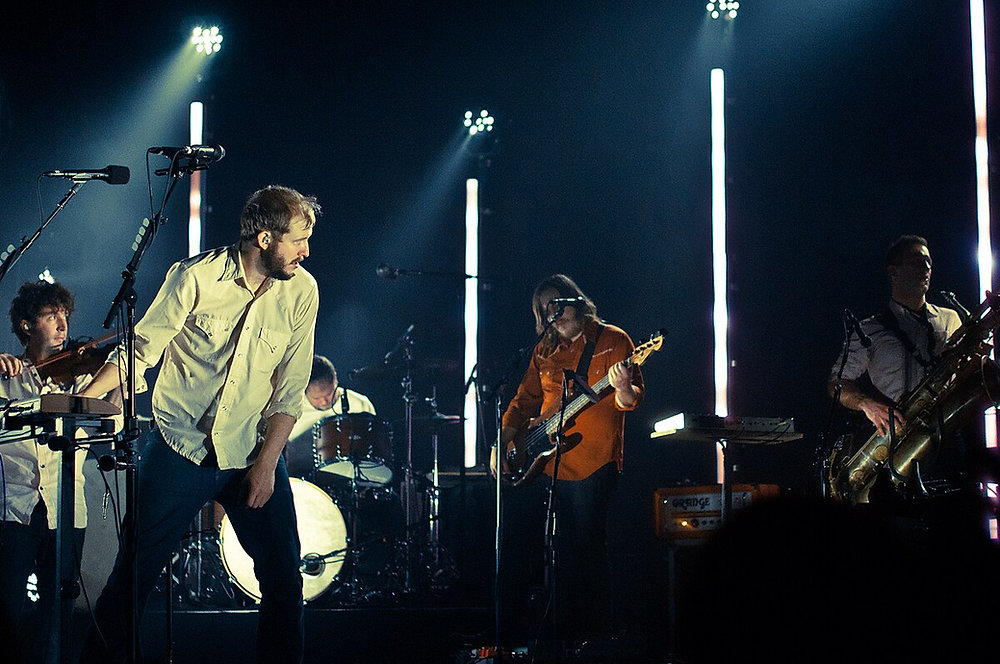
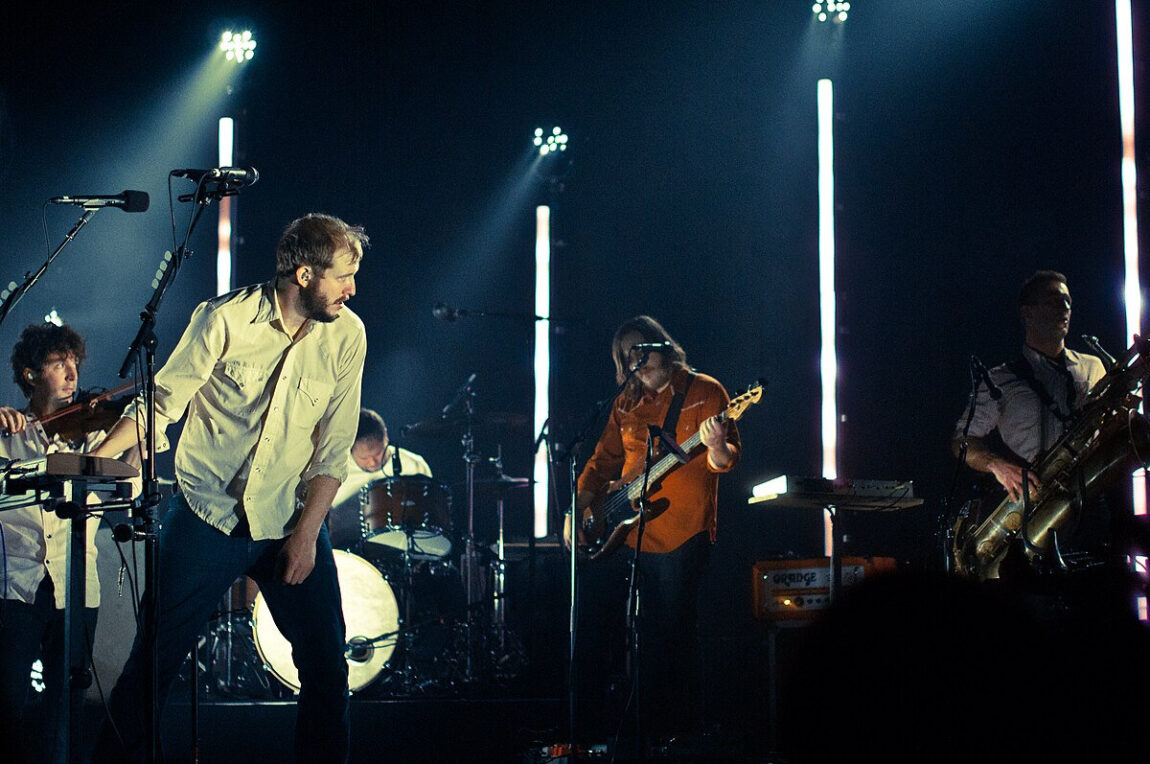
From then on, more artists from indie and post-rock scenes moved towards the folktronica sound, enjoying the opportunity for new creative expression. The genre’s evolution is heard through the experimental work of modern musicians like Bon Iver and Bjork.Bon Iver performs live under bright vertical lights in Stockholm.

Characteristics of Folktronica:

There are three main characteristics of Folktronica music: electric production, traditional folk instruments, and vocal effects. Prominent elements include synthesizers, drum machines, and dance beats. To contrast this upbeat production, traditional folk elements like guitars, banjos, and other strings are used for harmonic material. Some artists use vocal effects to mask their voices, while others stay closer to more traditional folk sounding vocals. Folktronica tracks also frequently incorporate machine-made sounds and digital beats, leaning into more futuristic, avant-garde production.

Folktronica Artists to Know:

There are many notable folktronica artists to dive into! Here is a quick list of recommended artists to test out folktronica with your own ears.

Tunng

Tunng explored and expanded the boundaries of folktronica. Their album Mother’s Daughter and Other Songs (2005) received acclaim for its innovative sound and inclusion of unconventional instruments.

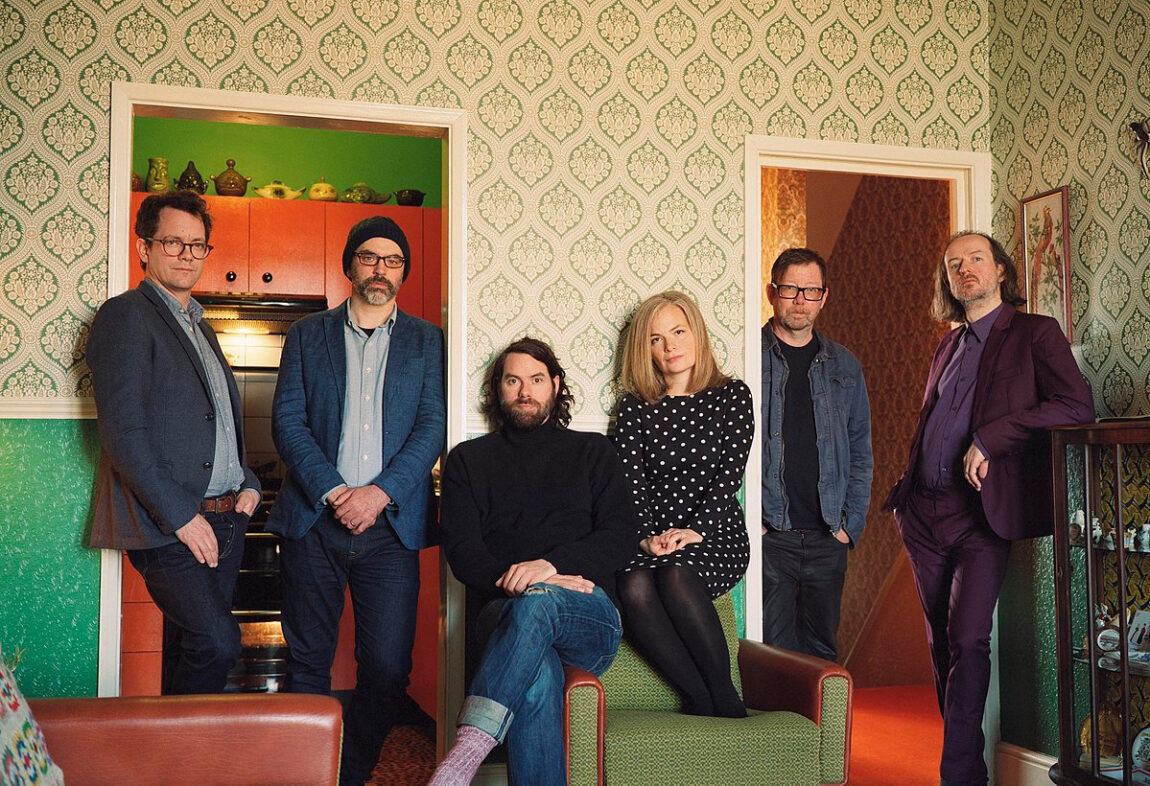
Six members of the band Tunng, photographed in a living room.

Sufjan Stevens

A critically acclaimed artist that leans into more than one genre, Sufjan Stevens includes folktronica elements in much of his work. Albums like Ascension (2020) exhibit his experimental work in blending acoustic and electronic elements.

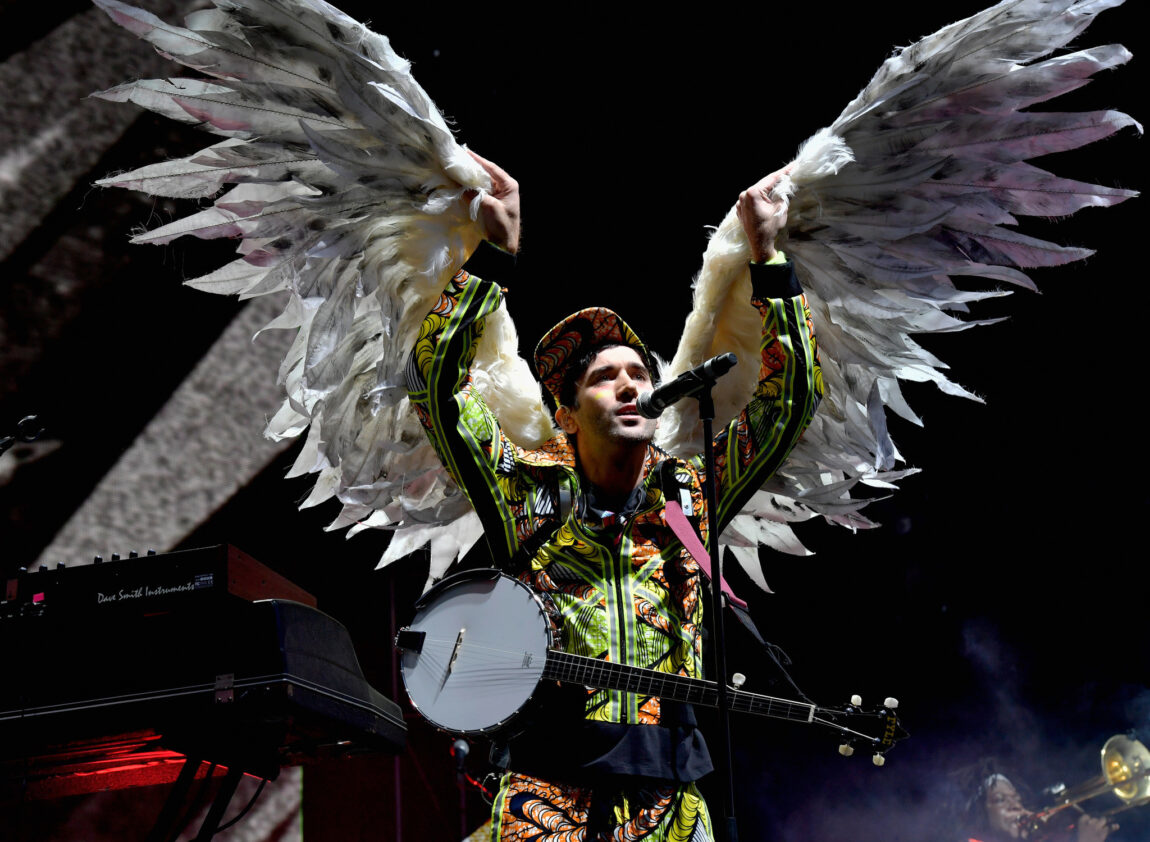
Sufjan Stevens on stage wearing a tracksuit and angel wings. His arms are extended upwards as he sings.

Bibio

Combining lo-fi, electronic, folk, and hip-hop, Bibio’s music is folktronica to its core. His album Ambivalence Avenue (2009) received rave reviews for its artistic choices, blending together heavy instrumentals, folky filters, and hip-hop beats.

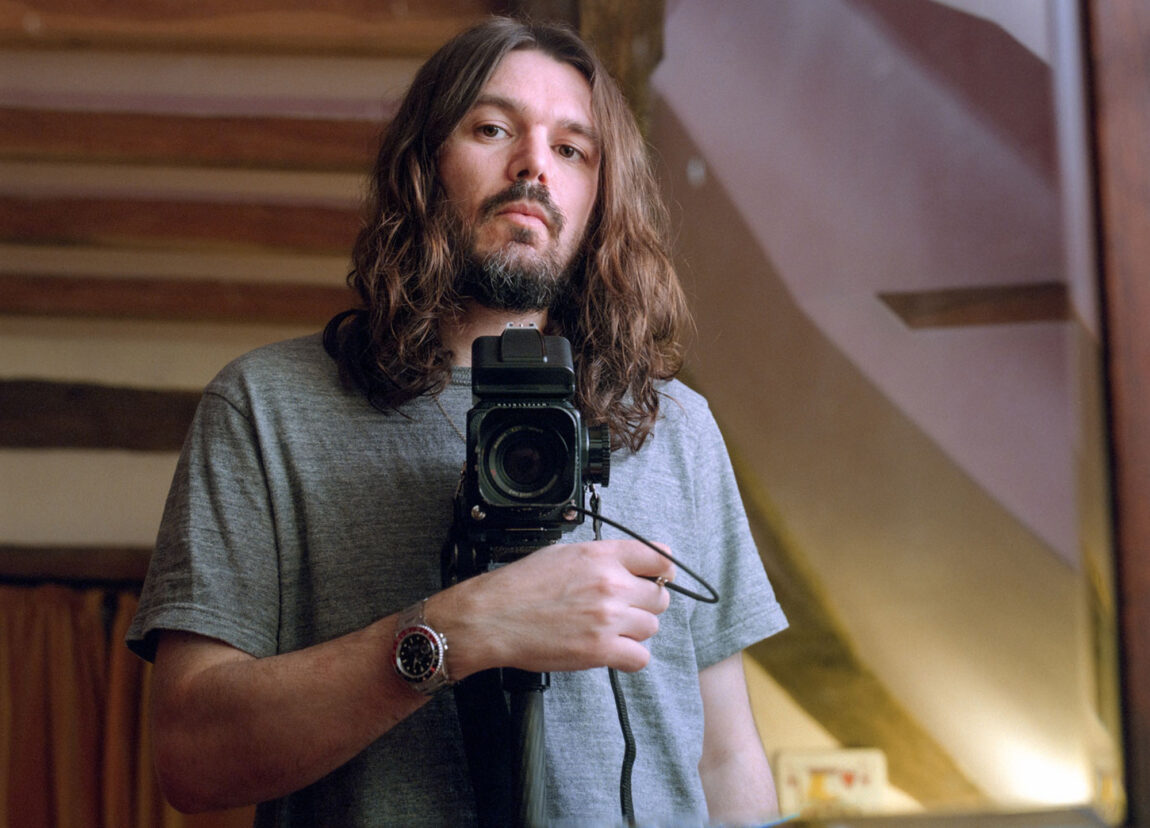
Artist Bibio looking directly at the audience

The Books

Formed in the late 90s, The Books began as an indie rock band. By combining guitars, sampled vocal fragments, and percussion instruments on albums like Thought for Food (2002), The Books curated a sound entirely their own — and as a result, paved the way for other folktronica artists to do the same.

Worm's eye view shot of the band The Books.

So, Why Folktronica?

The creative freedom of folktronica makes it a particularly fun genre to explore! As the digital age evolves, as does folktronica music, inviting and challenging listeners to think of folk in a reconstructed light.

For folktronica artists ready to promote an upcoming release, working with Decent Music provides the expertise and resources to build organic exposure and tangible value for independent artists.

How to Get on Spotify Editorial Playlists in 2025 | Decent Music PR

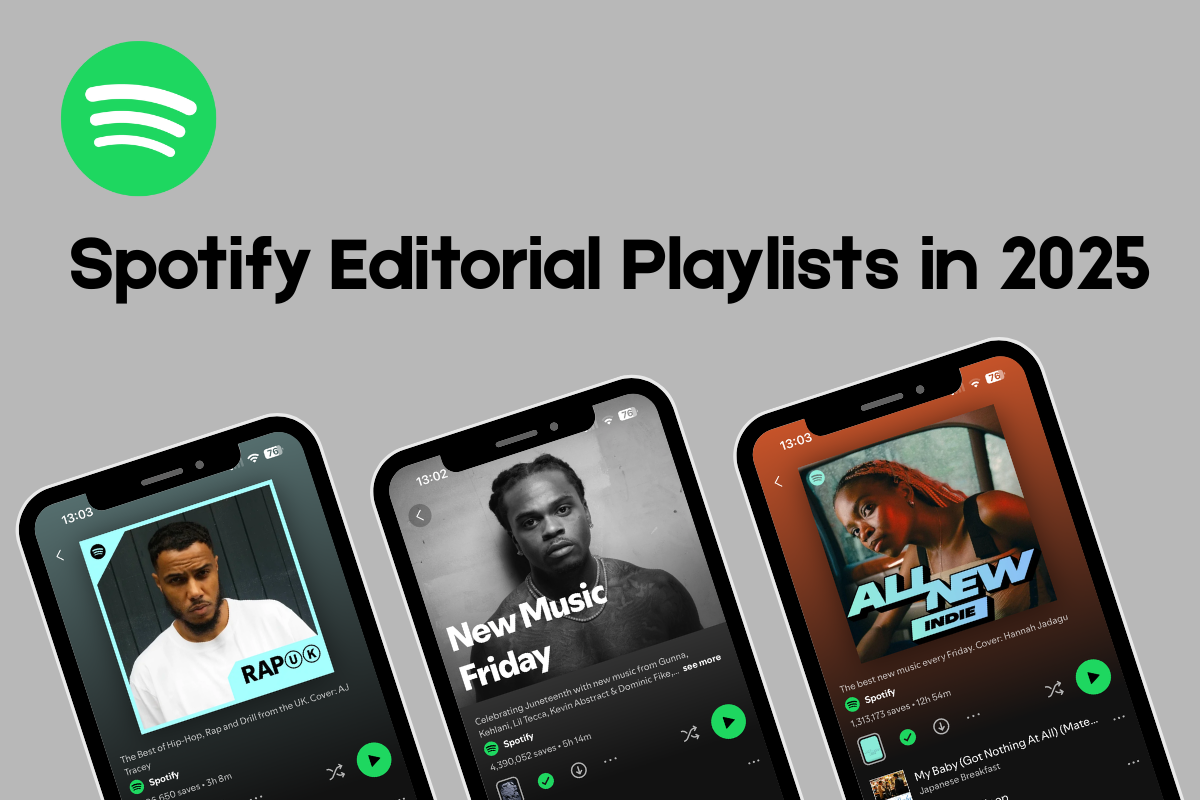
Three smartphones displaying Spotify editorial playlists: RAP UK, New Music Friday, and All New Indie, under the heading 'Spotify Editorial Playlists in 2025' with the Spotify logo above

Landing your song on a Spotify Playlist in 2025 is still one of the best and most effective ways to boost your streams, to help your music reach new listeners and to build credibility in the music industry. This year, editorials are more competitive than ever – we’re here to update you on what’s changed, and what you can do to have the best chance of getting on an editorial playlist.

What is an Editorial Playlist? 

Spotify Editorial Playlists as curated by Spotify’s in-house team of curators. They are hand picked by real humans that are experts in their genres, moods and musical regions. You can usually spot these playlists as they have the Spotify branding on, they differ from user-generated playlists or algorithmic playlists and usually have great visibility. Some classic examples of editorials are ‘New Music Friday’, ‘Rap UK’ or ‘Fresh Finds’.

Why are Editorial Playlists Important? 

Editorial playlist placements can totally change the game for independent artists and are important to target for your releases. We have seen some of our artists get placed on editorial playlists and see thousands, even millions of streams – and this exposure more often than not also trickles down into your entire catalogue of music, and has led to spikes in streams, saves and followers on Spotify. As Spotify’s algorithm notices this activity, this can even led to triggering the algorithmic playlists such as ‘Discover Weekly’ or ‘Release Radar’.

It’s not just about the numbers, editorial playlists act as a stamp of approval from Spotify – and we can use this to support your press coverage applications, can be added to your EPK to help you get booked for more shows and festivals, and can even help you in conversations with a label if you are looking go down that route.

As an independent artist who is planning your next release, here’s what you need to know about the latest updates, best practices, and how to give yourself the best chance of getting featured on an editorial playlist.

Submit at Least 4 Weeks in Advance 🗓️ 

Spotify recommends submitting your track at least 7 days before release, but if you are applying without a PR company like us, or a label recommending you, we have found that a week is no longer enough time if you want a serious shot. In 2025, if you are just pitching on your own, then we’re advising artists to pitch their songs at least 28 days ahead of the release date.

Why so early? Because frankly, the editorial teams are swamped! The team needs time to review your song submissions, check out your profiles, and then to match successful tracks to the right playlist campaigns. By submitting early, you give your release time to build some pre-save traction and this can make it an easier choice for the editors to add your song in to their playlist.


“Although you can submit your track as little as a week before release, this isn’t recommended. Your pitch should be submitted at least 28 days before release for the best chance of being reviewed and playlisted.” — Playlist Push, 2025 (playlistpush.com)

What to Include in Your Pitch 📄 

You can apply for editorials directly through your Spotify for Artists – but the pitch form itself has changed a lot recently. The form is no longer just about genre and release date of your music. So here’s what we have seen really matters:

  • Tell the story behind the song – Who’s involved in the creation, what inspired you to create it, and add in any personal and/or cultural context to the release.

  • Who’s your target audience – Are you aiming at regional fans? Genre-specific scenes? The more information you provide here, the easier it is for the team to understand.

  • Promotion plans – Mention anything you’re doing around release: music videos, PR, radio, tours – Also maybe here you can mention other playlists you

  • Key metadata – Metadata is super important! Include the mood, instrumentation, tempo and language. This info will help place your release in the right ecosystem.

Remember: You can only pitch unreleased music for editorials, and only one song at a time. So plan properly, and make it count.

Make Your Spotify Profile Playlist-Ready 📊 

Spotify editors do look at your profile—and a messy, half-empty profile can hurt your chances. Before you submit:

  • Update your artist bio with who you are, and any relevant achievements.
  • Add new press shots – show the face (or faces) behind the music!
  • Link your socials – make it EASY for the team to find you.
  • Feature your best tracks.
  • Create at least one public playlist that reflects your style or influences – this can also be invaluable to helping Spotify’s algorithm place you with the right similar artists and moods!

Your Spotify profile is like your artist CV. Keep it sharp, and make it easy for teams to understand you and get in touch with you.

More Visibility, More Data 🔍 

Spotify now gives editors access to more advanced data. That includes:

  • How your past releases performed.
  • Listener behaviour (saves, shares, repeat listens).
  • Playlist traction from algorithmic lists like Release Radar or Discover Weekly.

This means even if you’re pitching a brand new single, what you did before still matters. A consistent, growing presence tells editors you’re not a one-off, and you are here to stay – if the team remembers you and your music, the next pitch will be easier!

Need help with growing that presence and building momentum? Check out our Spotify Playlist Campaigns.

More Tips & Resources 🔗

If you’re serious about getting editorial support, these articles are worth a read:

And don’t forget to check Spotify’s official pitching guide.

Final Thought 💭

Let’s be real – there is no ‘magic formula’ or ‘cheat code’ when it comes to getting featured on editorial playlists as it’s decided by humans! But if your strategy’s tight, your timing’s right, and you’re consistent, then you are giving yourself the best shot possible. Your pitch is more than just a form- it’s your first impression, and the easier you make life for the team, the less friction there is to featuring you on the right playlists. Take the application seriously, put in the work, and make sure everything from your Spotify profile to your press photos show that you are ready for the spotlight.

Are you still struggling?

We are experts in playlisting and we work directly with the Spotify editorial teams, and have curated strong relationships. We are selective in the music we share with the team, as we value their opinion and they value ours so we won’t send them any old music. We pitch to editorials as a free add on to our playlisting service.

If you are looking for support with playlisting, and you are serious about promoting your music and building that momentum, then make sure to submit your music to us.

Frequently Asked Questions (FAQs)

How do I get on a Spotify Editorial Playlist?

Submit your track through Spotify for Artists at least 28 days before release. Focus on strong metadata, a clear artist bio, and a compelling pitch.

Why are editorial playlists important for independent artists?
Editorials boost streams, build credibility, and can trigger algorithmic playlists like Discover Weekly and Release Radar.

When should I pitch my song to Spotify editorial playlists?At least 28 days before – Spotify’s editors need time to review your pitch and build playlist campaigns in advance, 28 days in advance helps make sure they have the time.

What should I include in my Spotify pitch?

Tell the real story behind the song, define your audience, list your promotion plans, and ensure accurate metadata like mood and language.

Is Cringe the New Cool? Why Making Your Audience Squirm Might Be the Smartest Music Promo Move of 2025

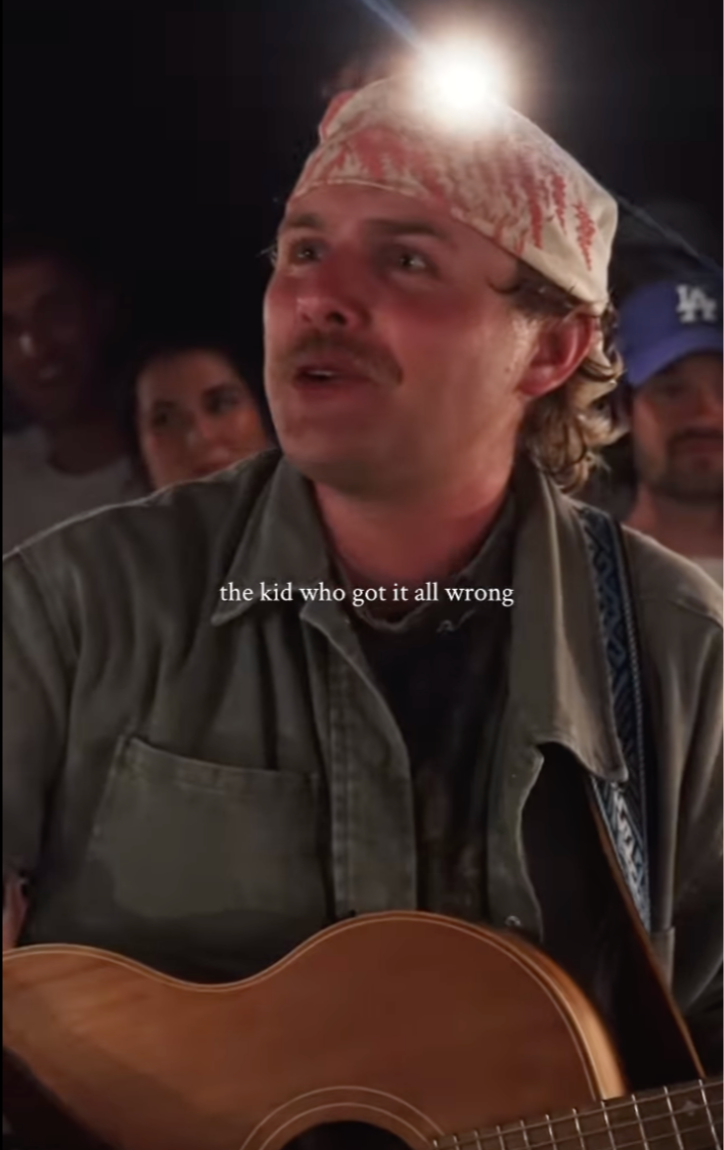
If you haven’t seen it yet, the latest viral music video making the rounds on TikTok is from Brendan Abernathy, an American singer-songwriter. It’s a stripped-back live performance of his track “Married in a Year.” The vibe is raw and intimate, his vibrato-soaked voice getting gritty in the high-energy parts, then dropping to a whisper in the quiet moments. He’s hitting the notes, pouring energy into the performance, and the lyrics are genuinely heartfelt. And yet, he’s getting absolutely roasted online.

Why? Well… It’s just a bit cringe.

Not because it’s bad, necessarily. It’s hard to pin down what exactly makes it feel awkward. Some people are losing it over the fact that he’s “got his toes out” (he doesn’t, by the way. It’s the sock design). Others blame the salute when he sings “living the American dream” (I’m cringing just writing about it…), or the overly earnest singing style. Whatever the reason, one thing’s clear: it makes you squirm.

But here’s the kicker – it’s working. The video is racking up views, comments, and most importantly, streams. Sure, the attention isn’t all glowing praise, but in an era where any attention is hard to come by, this kind of engagement is gold.

In 2025, cringe content isn’t just tolerated – it’s the strategy.

The Shift From Cool to Cringe

It wasn’t that long ago when musicians were all about mystique. Don’t try too hard. Be chill. Keep it detached and effortlessly cool. This can still work, but social media algorithms are geared towards one thing – humour. And the most popular type of humour in 2025? It’s cringe content.

The most effective way to get people hooked might be to do the opposite of cool: lean into the awkward, the overly earnest, the slightly weird. The stuff that makes people uncomfortable – but also makes them pay attention.

This shift is rooted in a deeper change: people are done with polish. We’re all over the slick, overproduced, corporate-perfect branding. The internet has trained us to crave realness – even if it’s uncomfortable to watch.

Cringe = Connection

Cringe works because it feels human. And humans are messy, emotional, weird, and imperfect. When you put something out there that’s a bit much, or too sincere, too awkward, too try-hard, it tells your audience you’re actually trying. And whether they love it or hate it, they feel something.

Even hate can fuel engagement. Comment sections go wild. People share it “ironically.” Memes pop off. And your name, your song, your Spotify link? It’s in the middle of all that noise.

Sure, you’re gonna hear from your haters, but your music’s also going to reach the people who love your style. Take a look through the comments on Brendan Abernathy’s video. Amongst the haters, there are people who dig the music. They’re the ones who matter.

Embrace the Cringe

What is remarkable about Abernathy is that he has taken everything in his stride. Many artists would take the bad energy and either ignore it or disappear completely to avoid the heat. But he’s done the opposite. He’s rolling with the punches. He’s teamed up with Kyle Gordon, the writer behind the millennial cringe anthem “We Will Never Die”, in this video (click at your own risk, it’s a tough watch) and addressed the hate in a self-deprecating way in this Washington Post article.

He’s owning the meme. Whether you’re just there for the cringe factor, or you actually like the music, you’re along for the ride, and that’s all that matters.

The idea of turning hate into hype is nothing new when it comes to music promo. In the 1950s, Elvis Presley’s Manager, Colonel Tom Parker, built Elvis into a cultural icon with a tidal wave of branded merch, but he also found a way to cash in on the backlash. For those who believed rock ‘n’ roll to be the devil’s music, he created “I hate Elvis” badges. Genius. Whether you loved Elvis or loathed him, you were still feeding the machine.

So, Should You Just Be Cringe on Purpose For Music Promo?

Not exactly. It’s not about being bad or fake. It’s about embracing what’s real, even if it’s awkward.

Here’s what works:

  • Self-awareness: A little wink goes a long way. If you know it’s goofy and own it, people respect that.
  • Sincerity: Audiences are surprisingly drawn to people who clearly care.
  • Consistency: The occasional weird clip is fine, but if awkwardness is part of your vibe, lean into it fully.

If your content makes people a little uncomfortable, that might just be your superpower. In a sea of beige branding and safe content, cringe cuts through.

So post the chaotic rehearsal clip. Sing too hard in your bedroom. Dance like an unhinged puppet in your next TikTok. Let them squirm.

Because while they’re squirming, they’re watching. And while they’re watching, they’re listening.

Need Help Embracing the Cringe Without Losing the Plot?

At Decent Music PR, we don’t do fake hype or boring press releases. We help artists stand out by leaning into what makes them actually interesting – even if it’s a little weird.

Want people to stop scrolling and start listening?

Get in touch. Let’s make something worth cringing about.

Why DIY Spaces Are Still Important For Music Promotion in the Streaming Era

There’s no question that streaming has taken over the music industry. CD and vinyl sales, though important for emerging artists, are no longer a reliable income source. In 2024, physical music sales generated 4.8 billion U.S. dollars, digital music sales made 0.8 billion, but streaming revenues reached 20.4 billion U.S. dollars worldwide, according to two reports by Statista. For better or for worse, audiences are becoming accustomed to instant gratification, and anything that doesn’t offer it is likely to be ignored.

At Decent Music PR, we push for online success. We boost streams, run targeted ad campaigns, and contact press outlets to get artists the attention they deserve. But for all the ease and scale offered by digital platforms, DIY spaces remain vital to independent music culture. DIY venues, warehouses, living rooms, skateparks, and community centres are more than just places to play shows. They are creative hubs that offer opportunities for real-life, human connections and music promotion.

DIY spaces are where local scenes are born, where bands cut their teeth and where music is more than just content. The truth is, though it’s increasingly important to develop and maintain an online presence, the hyper-saturation of streaming and social media platforms means that it’s so easy to disappear in the noise. DIY venues act as an authentic space to help you find your tribe in real life, and as the internet floods into a sea of AI-generated music, monetised noise, and algorithmic sludge, these pockets of authenticity matter more than ever for artists.

A Music Promotion Launchpad for Emerging Artists

While Spotify algorithms and TikTok trends may occasionally elevate unknown artists to sudden fame, it’s the DIY scene that often incubates the talent in the first place. DIY venues provide an open, safe space for artists to perform, experiment, and find their voice without the pressures of corporate expectations or polished perfection.

Some of today’s most influential bands started out playing DIY shows to 20 people in a basement. The intimacy and imperfection of those early gigs forge a connection with audiences that can’t be replicated by any other means.

Real-World Community Is Worth More Than Followers

DIY spaces allow for the development of deep, local connections that just don’t happen on social media. They create a real sense of belonging that algorithms are simply incapable of. Whether it’s seeing the same mohawks show up to every show your local punk band plays, or the open-mic regular who surprises everyone with an absolute belter of a chorus, DIY scenes build real-world community.

These spaces offer a refuge from the infinite doomscroll. It’s a place where musicians and music fans can connect without the tedium and pressures that social media brings.

Resistance by Design

DIY spaces often operate outside the mainstream. They’re run by volunteers, artists, and dreamers, not shareholders. This makes them essential spaces for marginalised voices, niche genres, and radical ideas that might otherwise be ignored.

They’re also political by nature. Hosting gigs in a squat, a gallery, or someone’s garage is an act of reclaiming space. It challenges the idea that creativity must be monetised to be valuable, encouraging art for art’s sake.

A Culture of Collaboration, Not Competition

We’ve already covered how collaboration is key when it comes to releasing music, and one of the most useful aspects of DIY spaces is the culture of collaboration they foster. Unlike the music industry’s competitive grind, these scenes prioritise mutual support. Artists share gear (amongst other things…), promoters split profits fairly, and crowds respect the stage regardless of who’s on it. This spirit nurtures a creative environment where creativity and innovation flourish without the pressures of the industry.

The DIY Legacy

DIY isn’t just a phase or a stopgap before “making it.” It’s a philosophy that many artists carry with them throughout their careers. And crucially, it’s something that gets passed on. Older bands help newer ones. Venues change hands. Knowledge about booking shows, fixing gear, or running sound circulates informally but powerfully.

This intergenerational spirit keeps scenes alive. It’s why, despite closures and challenges, new spaces keep cropping up, because people who came up in DIY understand just how vital these places are. They don’t just fester in the nostalgia. They recreate the same magic, again and again.

The Challenges of DIY Spaces, and Why They’re Worth Fighting For

Of course, DIY spaces face constant threats, as we’ve covered here. Gentrification, noise complaints, lack of funding, burnout, among many others. But their resilience is part of the culture. Each saved venue or new pop-up gig is a statement: we’re still here, and we still care.

So while playlists, algorithms, and streaming stats shape today’s music economy, let’s not forget what actually builds music culture: real people, in real rooms, making real noise.

DIY isn’t dead. It’s more necessary than ever.

Think your music’s ready and want to work with Decent Music PR? Read this blog post or get in touch.

7 Signs You’re Ready to Hire a Music PR Team

So you’ve dropped a few singles, played some sweaty basement shows, maybe even built a loyal little following online. Things are happening. But there’s still that burning feeling that you’re not quite at the level you should be.

That’s where a music PR team comes in. Not to wave a magic wand, but to amplify the great stuff you’re already doing. If you’re wondering whether it’s time to bring in some backup, here are seven signs you’re ready to hire a decent music PR team.

1. You’ve Got a Release You’re Proud Of – and a Plan to Follow It Up

PR works best when you’ve got something solid to shout about. If you’ve just finished a killer single, EP, or album and you’re thinking beyond the drop date (like gigging, more releases, or a tour), that’s a green flag. Publicity isn’t just about getting eyes on one release. It’s about building momentum across a story.

If your release is a one-off with no follow-up in sight, you might not get the full benefit of a PR campaign. Timing matters.

2. You’re Getting Press… But It’s Random and Inconsistent

Maybe you’ve landed a blog feature or two, or got a nice local write-up, but it feels more like luck than strategy. A PR team helps you connect the dots: targeting the right outlets, crafting a consistent narrative, and pushing your story to the people who’ll actually care (and share). At Decent Music PR, we secure press coverage with outlets that best suit your music.

Get in touch to find out more.

Good PR isn’t just about being seen – it’s about being remembered. Consistency builds recognition, and recognition builds buzz.

3. You’re Spending Hours on Outreach and Getting Nowhere

You’ve written 100 emails. You’ve chased journalists on Instagram. You’ve Googled “how to pitch your music” more times than you’d like to admit. But nothing’s sticking.

At some point, it makes more sense to hand it over to pros who already have the contacts, know the angles, and won’t take it personally when they don’t get a reply. Because trust us, that’s part of the job.

Your time is better spent making music and building your fanbase than refreshing your inbox.

4. You’ve Got Budget and You’re Ready to Invest in Yourself

Let’s be real: hiring a PR team isn’t cheap. But it’s not just a cost. It’s an investment. If you’ve already put time and money into production, visuals, distribution, and merch, why stop short when it comes to getting your music heard?

A solid PR campaign can help you level up faster, whether your goal is media coverage, festival slots, industry attention, or all of the above.

If you’re serious about your career, your promo game needs to match the quality of your tunes.

5. You’re Tired of Being Your Own Music PR Team

Being an independent artist often means being your own manager, designer, strategist, marketer, and booking agent. That DIY spirit is powerful, but burnout is real. Hiring a PR team doesn’t mean giving up control. It means building a team that gets your vision and knows how to amplify it.

Think of us as your hype team – but with email templates, spreadsheets, and journalist contacts instead of pom-poms.

6. You’re Not Exactly a Social Media Wizard (And You Don’t Want to Be)

Let’s be honest. Not everyone wants to spend their days pointing at text bubbles on TikTok or figuring out what a “Reel remix” is. You’re a musician, not a content creator. And while social media is a great tool, it’s not the only one.

A PR campaign gives you another way to get your music in front of people through blogs, magazines, playlists, and proper music journalism. No hashtags required (unless you want them).

If trying to go viral makes you want to throw your phone in the sea, a PR team can help you get heard without becoming a full-time influencer.

7. You’re Building a Brand – Not Just Releasing Songs

In 2025, being an artist is about more than just making music. It’s about building a world people want to be part of. If you’re starting to think about your aesthetic, your message, your audience, and your voice beyond the music, that’s a sign you’re ready to step into the public eye properly with a team that can help shape how the world sees you.

PR isn’t just press. It’s positioning. It’s the bridge between your art and your audience.

One thing to bear in mind: PR only works when the music’s ready. We’re not in the business of selling dreams. If your music isn’t quite there yet, the best music PR companies in the world won’t change that. But if you’re confident in what you’ve made and ready to put it in front of the right people, we’d love to help.

Got something cooking? Hit us up for a no-pressure chat. We’re Decent, not desperate.

How to Build Your Brand: A Step-By-Step Guide For Musicians (Without the Bullsh*t)

We get it. You’re talented. Your music has the power to change lives. You’re on your way to becoming a rockstar. Amazing. Really. But here’s the thing (as we’ve mentioned before): this is not enough. As an artist, being good at music is the bare minimum. Look, talent is great. But in today’s music industry, talent alone won’t cut it. If you want people to remember your name, stream your tracks, and actually give a damn about your music, you need a brand that slaps.

Successful artists understand that music branding is everything. They don’t just drop a couple songs on Spotify, upload a dodgy horizontal video from a practice room, get ChatGPT to create some album artwork, cross their fingers and hope for the best. They built an identity, a vibe, a movement. Your music could be the best in the world, but if your branding sucks, then you suck. You’re just another name lost to the algorithm.

We’re not talking about faking it, or selling out. We’re talking about owning your image, telling your story, and making damn sure people pay attention. If you’re serious about your music career, it’s time to stop winging it and start building a brand that actually works.

So, here’s exactly how to do it. No fluff. No corporate jargon. Just the raw, unfiltered truth on how to stand out as an artist.

Step 1: Figure Out Who the Hell You Are
Before you even think about pushing your music to the masses, you need to define your identity. We’re not just talking about your sound here. Your personality, your aesthetic, your message, anything that affects the way people feel when they engage with you. Billie Eilish didn’t just release music. She created a dark, mysterious aesthetic, a unique visual identity, and a rebellious, moody persona that resonated with millions. Her artist identity was clear from day one, and that’s why she blew up.

Ask yourself:

  • What’s your genre and vibe? (Are you raw and punk as hell, or smooth and synth-heavy?)
  • What story are you telling? (Struggling artist? Underground visionary? Party starter?)
  • What do you stand for? (Are you anti-establishment like Rage Against the Machine or introspective like Phoebe Bridgers?)

Get started now:

Write a one-liner that sums up your music and brand. Example: “I make lo-fi math rock for introverts who dream in polyrhythms.” Keep this in mind for everything you do.

Step 2: Pick a Damn Good Artist Name & Logo

Your artist name should be memorable, easy to spell, and not impossible to find on Google. If your name is “Shadow” or “Echo,” congrats. You’re buried under a thousand search results. Get specific, or get unnoticed.
Examples of great branding moves:

  • Post Malone (Simple, unique, and rolls off the tongue)
  • Tame Impala (Evokes psychedelic imagery and fits the music)
  • PUP (Short, bold, and perfect for a punk band)

Once you’ve got a name, make sure your logo and visuals match your vibe. If you’re shoegaze, don’t use a flashy neon font. If you’re hardcore punk, don’t use elegant calligraphy. Be intentional.

If you’re handy with Canva or Adobe Express, take a DIY approach. Otherwise, it’s always a good idea to hire a designer to create a simple, easily recognisable logo. Using AI to create a logo can produce good results, however, it is important to consider whether the AI can be detected. AI that’s easily detectable can make your brand look cheap and tacky. Midjourney and Dall-E 3 are considered to be the best in text-to-image conversion, but consider editing the images after creation so that the “AI-ness” is undetectable.

Step 3: Develop a Strong, Consistent Visual Identity
Your brand needs to be instantly recognisable. That means a cohesive colour scheme, font style, and imagery.

Check out:

  • The 1975 – Black-and-white aesthetic, neon pink highlights.
  • King Gizzard & The Lizard Wizard – Trippy, psychedelic visuals matching their chaotic sound.
  • Doom (MF DOOM) – The mask, the persona, the mystery – it all fits the music.

Get started:

Decide on 2-3 main colours and stick to them for your album covers, website, and social media. AI platforms such as Colormind can help you to create a colour palette, but ensure that the final result is something that you are happy with and that suits your brand – don’t leave it to AI to do all the work!

Step 4: Own Your Online Presence (Or Get Left Behind)

If you’re not chronically online, you don’t exist. Period. You need:

  • Social Media – Instagram, TikTok, and Twitter are non-negotiable for most artists, although others have been popping up in recent days (Check out our blog on building up a Bluesky profile here). Bandcamp and Discord are also becoming increasingly popular. Find which ones work best for you and stick to those, rather than exhausting yourself by trying to utilise all platforms.
  • Streaming Profiles – Make sure your Spotify, Apple Music, and SoundCloud profiles are fully optimised with high-quality photos, bios, and links. YouTube is another important one, but this should be treated differently from other streaming platforms. Don’t just upload each single with a boring background to avoid a “spammy” feel. Upload a full album for those who don’t pay for other streaming services or unique music videos to ensure that you retain people’s interest.
  • A Website – Though not essential without first building your fanbase, a band website is your official home base with your bio, music, tour dates, and merch, so it’s a good idea to set one up once you’re up and running. Check out Bandzoogle; a website builder designed specifically for bands and artists.

Be sure to keep your username the same across all platforms if possible (e.g., @shadowecho). Don’t make people work to find you.

At Decent Music PR, we can take this even further by pushing your content using Meta ads on Facebook and/or Instagram. Get in touch to find out how we can help build your fanbase.

Step 5: Cultivate Your Music Portfolio (When You Build Your Sound, You Build Your Brand)
Half-assing your music isn’t an option if you want to be taken seriously. Every song you release shapes how people perceive you. If your tracks are recorded badly, your brand instantly loses credibility (unless music recorded on a potato is your brand. In that case, you do you, I guess).

Let’s be clear, that doesn’t mean you need a million-dollar studio. Plenty of great music is made in bedrooms. But it does mean you should:

  • Invest in proper recording & mixing (even if it’s just a decent mic and some solid plugins).
  • Work with an engineer (if you’re not confident mixing/mastering yourself).
  • Make sure your music fits your brand (if your aesthetic is raw and gritty, don’t over-polish your sound).

Mac DeMarco built his entire brand around a lo-fi, DIY recording style that matched his laid-back, goofy persona. The sound fit the aesthetic, making it feel authentic and intentional – not low effort. If you can’t afford studio time, learn basic mixing and production. Even a well-mixed demo sounds 100x better than a rushed, poorly recorded track.

Step 6: Network and Collaborate
Collaboration is key in today’s music industry. By working with other musicians, you are merging your audiences, so it’s an excellent way to build your fan base.

Here are some ways to collaborate:

  • Reach out to similar artists to work on tracks together
  • Cover a popular song in your unique style
  • Create a remix of a song you love

If reaching out to artists yields no results, then stop asking for permission and start remixing, covering or even duetting. Whatever you do, make sure you always tag the other artists in the content description. Or, better still, invite them as a collaborator. This means that the content will also appear on their grid, potentially reaching even more fans.

Step 7: Post Content That Doesn’t Suck

Posting once a month saying “New music soon!” isn’t enough. You need consistent, engaging content that fits your brand.
Ideas:

  • Behind-the-scenes (studio footage, writing process, gear breakdowns)
  • Live clips (raw, unfiltered moments from gigs)
  • Fan engagement (polls, Q&As, remixes)

Post 3-5 times a week across platforms. Not every post needs to be mind-blowing, but show up consistently and you’re bound to see some results.

Step 8: Market Yourself Like You Mean It

Look, we get it. Music promotion is a minefield. But if you’re serious about this, you need to treat your music like a business. That means:

  • Engaging with fans daily (reply to comments, DM superfans, build a community)
  • Collaborating with other artists (cross-promote to expand reach)
  • Submitting your music to blogs & playlists (get PR and exposure)
  • Running smart ads (Instagram, YouTube, TikTok)

Music PR companies, like Decent Music PR, take music promotion even further by securing press coverage, radio plugging and playlist slots. Visit our website to find out more.

Goal: Set aside 30 minutes a day for promotion. Consistency beats random big efforts.

Step 9: Monitor and Adapt

Dropping music and hoping for the best isn’t a strategy. You need to track what’s working, listen to your audience, and adjust when necessary.

Stay on top:

  • Check your analytics – Use Spotify for Artists, Instagram Insights, and YouTube stats to see what’s resonating.
  • Engage with fans – Read comments, DMs, and feedback. If people are hyped about a certain song or content style, lean into it.
  • Stay flexible – Music and trends evolve. If your brand feels stale, refresh your visuals, messaging, or content approach.

Goal: Set aside 30 minutes a week to review your stats and fan engagement. If something’s working, do more of it. If it’s not, pivot.

Outro: No One’s Coming to Save You – Own Your Brand or Get Forgotten

Harsh truth? No one cares about your music until you make them care. You can either take control of your brand and turn casual listeners into die-hard fans, or you can sit back, drop songs into the void, and wonder why no one’s paying attention. Your call.

A strong brand isn’t about pretending to be something you’re not. It’s about amplifying who you are and making it impossible to ignore. So be bold. Be consistent. Build something bigger than just a few tracks on a playlist.

This is your legacy. Make it count.
Spotify Stats 2024: What Did They Leave Out?

TV screen displaying the Spotify logo in green, set against a dark background with green ambient lighting. Mood is calm and focused.

Spotify recently released its Annual Music Economics Report in an effort to “increase transparency by sharing new data on Spotify’s royalty payments and breaking down the global streaming economy, the players, and the process.” The report does exactly what it says on the tin, covering key aspects such as the streaming giant’s yearly payouts to the music industry, the number of artists generating over $1 million through Spotify and the rise of independent artists. Gaining an insight into the finances of such a huge business is important, and transparency with streaming is great to see considering many artists’ historical disagreements with the service. However, we couldn’t help but notice that Spotify conveniently left out a few crucial details.

At Decent, we pride ourselves on our “no bulls**t” approach to music PR. Transparency is at the core of what we do, because an open and honest industry benefits all artists. Given that Spotify was the highest-paying streaming platform last year, we think it’s only fair to scrutinise its claims of transparency. And there’s one big question we want answered:

How Much of Spotify’s Payouts Went to Ghost Artists?

If you’re unfamiliar with the term “ghost artists”, here’s a quick rundown for you.

A Harper article from January 2025 exposed a peculiar phenomenon: many artists featured on Spotify’s editorial playlists were “mystery viral artists” – musicians with millions of streams but virtually no online presence. These artists were often signed to stock music companies, used AI-generated artwork, and had suspiciously generic branding.

Perhaps most worryingly, however, is that they discovered Spotify actually partners with many of these artists/production companies, which provide the platform with “music Spotify benefitted from financially”.

So, according to the article, Spotify has financial ties with these artists and the production companies that create their music. That means Spotify is not just a neutral platform – it benefits directly from the streaming revenue of these ghost artists.

Now, this might not seem like such a huge deal to some. I mean, if they’re creating good music and people are listening, surely it’s fair?

The problem is that Spotify often appears to be favouring these artists over real, independent musicians. They are often placed in prime spots on mood-based playlists (playlists to set a mood, such as Deep Focus, Lofi Chill etc). We’ve covered how important editorial playlists are for artists here, and since this is often a vital aspect of promoting and getting paid for your music, this could pose as a roadblock for many growing artists.

Essentially, you’re not only competing with other artists to get your music on these playlists, you’re also now competing with the platform itself. To put this into perspective, DJmag estimates around 500 ghost artists are on Spotify, but their work is created by a small group of 20 writers. How can we trust these Spotify stats if these ghost artists aren’t taken into account?

Spotify Stats Need to be More Transparent

To be clear, we aren’t suggesting that artists don’t release their music on Spotify. It’s still an integral part of releasing music in 2025. However, if the platform wants to be completely transparent about its payments to artists, this data needs to be revealed, since there could be a huge portion of the money given out to artists that simply goes straight back to Spotify. Until Spotify discloses exactly how much of its payouts are funnelled back into its own ecosystem through ghost artists, its claims of transparency will remain questionable at best.