Is Cringe the New Cool? Why Making Your Audience Squirm Might Be the Smartest Music Promo Move of 2025

If you haven’t seen it yet, the latest viral music video making the rounds on TikTok is from Brendan Abernathy, an American singer-songwriter. It’s a stripped-back live performance of his track “Married in a Year.” The vibe is raw and intimate, his vibrato-soaked voice getting gritty in the high-energy parts, then dropping to a whisper in the quiet moments. He’s hitting the notes, pouring energy into the performance, and the lyrics are genuinely heartfelt. And yet, he’s getting absolutely roasted online.
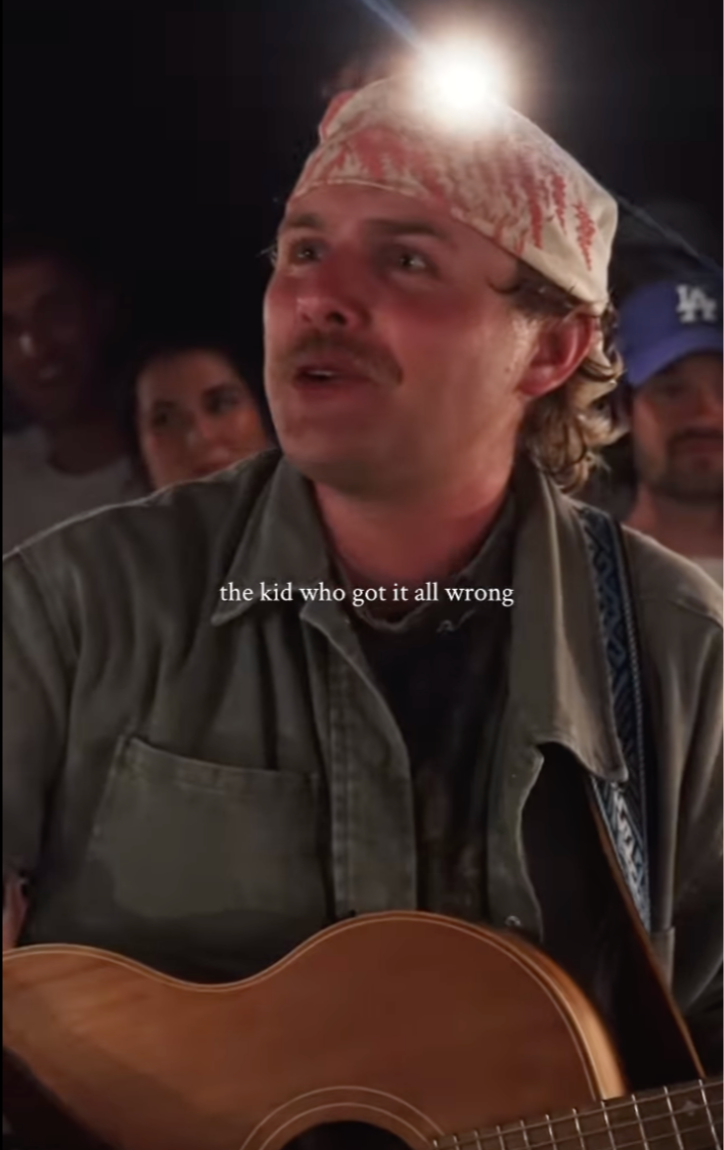
Why? Well… It’s just a bit cringe.

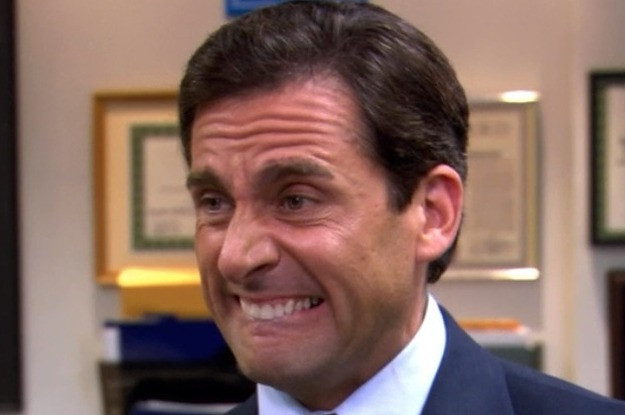
Not because it’s bad, necessarily. It’s hard to pin down what exactly makes it feel awkward. Some people are losing it over the fact that he’s “got his toes out” (he doesn’t, by the way. It’s the sock design). Others blame the salute when he sings “living the American dream” (I’m cringing just writing about it…), or the overly earnest singing style. Whatever the reason, one thing’s clear: it makes you squirm.

But here’s the kicker – it’s working. The video is racking up views, comments, and most importantly, streams. Sure, the attention isn’t all glowing praise, but in an era where any attention is hard to come by, this kind of engagement is gold.

In 2025, cringe content isn’t just tolerated – it’s the strategy.

The Shift From Cool to Cringe

It wasn’t that long ago when musicians were all about mystique. Don’t try too hard. Be chill. Keep it detached and effortlessly cool. This can still work, but social media algorithms are geared towards one thing – humour. And the most popular type of humour in 2025? It’s cringe content.

The most effective way to get people hooked might be to do the opposite of cool: lean into the awkward, the overly earnest, the slightly weird. The stuff that makes people uncomfortable – but also makes them pay attention.

This shift is rooted in a deeper change: people are done with polish. We’re all over the slick, overproduced, corporate-perfect branding. The internet has trained us to crave realness – even if it’s uncomfortable to watch.

Cringe = Connection

Cringe works because it feels human. And humans are messy, emotional, weird, and imperfect. When you put something out there that’s a bit much, or too sincere, too awkward, too try-hard, it tells your audience you’re actually trying. And whether they love it or hate it, they feel something.

Even hate can fuel engagement. Comment sections go wild. People share it “ironically.” Memes pop off. And your name, your song, your Spotify link? It’s in the middle of all that noise.

Sure, you’re gonna hear from your haters, but your music’s also going to reach the people who love your style. Take a look through the comments on Brendan Abernathy’s video. Amongst the haters, there are people who dig the music. They’re the ones who matter.

Embrace the Cringe

What is remarkable about Abernathy is that he has taken everything in his stride. Many artists would take the bad energy and either ignore it or disappear completely to avoid the heat. But he’s done the opposite. He’s rolling with the punches. He’s teamed up with Kyle Gordon, the writer behind the millennial cringe anthem “We Will Never Die”, in this video (click at your own risk, it’s a tough watch) and addressed the hate in a self-deprecating way in this Washington Post article.

He’s owning the meme. Whether you’re just there for the cringe factor, or you actually like the music, you’re along for the ride, and that’s all that matters.

The idea of turning hate into hype is nothing new when it comes to music promo. In the 1950s, Elvis Presley’s Manager, Colonel Tom Parker, built Elvis into a cultural icon with a tidal wave of branded merch, but he also found a way to cash in on the backlash. For those who believed rock ‘n’ roll to be the devil’s music, he created “I hate Elvis” badges. Genius. Whether you loved Elvis or loathed him, you were still feeding the machine.

So, Should You Just Be Cringe on Purpose For Music Promo?

Not exactly. It’s not about being bad or fake. It’s about embracing what’s real, even if it’s awkward.

Here’s what works:

  • Self-awareness: A little wink goes a long way. If you know it’s goofy and own it, people respect that.
  • Sincerity: Audiences are surprisingly drawn to people who clearly care.
  • Consistency: The occasional weird clip is fine, but if awkwardness is part of your vibe, lean into it fully.

If your content makes people a little uncomfortable, that might just be your superpower. In a sea of beige branding and safe content, cringe cuts through.

So post the chaotic rehearsal clip. Sing too hard in your bedroom. Dance like an unhinged puppet in your next TikTok. Let them squirm.

Because while they’re squirming, they’re watching. And while they’re watching, they’re listening.

Need Help Embracing the Cringe Without Losing the Plot?

At Decent Music PR, we don’t do fake hype or boring press releases. We help artists stand out by leaning into what makes them actually interesting – even if it’s a little weird.

Want people to stop scrolling and start listening?

Get in touch. Let’s make something worth cringing about.
Why DIY Spaces Are Still Important For Music Promotion in the Streaming Era

There’s no question that streaming has taken over the music industry. CD and vinyl sales, though important for emerging artists, are no longer a reliable income source. In 2024, physical music sales generated 4.8 billion U.S. dollars, digital music sales made 0.8 billion, but streaming revenues reached 20.4 billion U.S. dollars worldwide, according to two reports by Statista. For better or for worse, audiences are becoming accustomed to instant gratification, and anything that doesn’t offer it is likely to be ignored.

At Decent Music PR, we push for online success. We boost streams, run targeted ad campaigns, and contact press outlets to get artists the attention they deserve. But for all the ease and scale offered by digital platforms, DIY spaces remain vital to independent music culture. DIY venues, warehouses, living rooms, skateparks, and community centres are more than just places to play shows. They are creative hubs that offer opportunities for real-life, human connections and music promotion.

DIY spaces are where local scenes are born, where bands cut their teeth and where music is more than just content. The truth is, though it’s increasingly important to develop and maintain an online presence, the hyper-saturation of streaming and social media platforms means that it’s so easy to disappear in the noise. DIY venues act as an authentic space to help you find your tribe in real life, and as the internet floods into a sea of AI-generated music, monetised noise, and algorithmic sludge, these pockets of authenticity matter more than ever for artists.

A Music Promotion Launchpad for Emerging Artists

While Spotify algorithms and TikTok trends may occasionally elevate unknown artists to sudden fame, it’s the DIY scene that often incubates the talent in the first place. DIY venues provide an open, safe space for artists to perform, experiment, and find their voice without the pressures of corporate expectations or polished perfection.

Some of today’s most influential bands started out playing DIY shows to 20 people in a basement. The intimacy and imperfection of those early gigs forge a connection with audiences that can’t be replicated by any other means.

Real-World Community Is Worth More Than Followers

DIY spaces allow for the development of deep, local connections that just don’t happen on social media. They create a real sense of belonging that algorithms are simply incapable of. Whether it’s seeing the same mohawks show up to every show your local punk band plays, or the open-mic regular who surprises everyone with an absolute belter of a chorus, DIY scenes build real-world community.

These spaces offer a refuge from the infinite doomscroll. It’s a place where musicians and music fans can connect without the tedium and pressures that social media brings.

Resistance by Design

DIY spaces often operate outside the mainstream. They’re run by volunteers, artists, and dreamers, not shareholders. This makes them essential spaces for marginalised voices, niche genres, and radical ideas that might otherwise be ignored.

They’re also political by nature. Hosting gigs in a squat, a gallery, or someone’s garage is an act of reclaiming space. It challenges the idea that creativity must be monetised to be valuable, encouraging art for art’s sake.

A Culture of Collaboration, Not Competition

We’ve already covered how collaboration is key when it comes to releasing music, and one of the most useful aspects of DIY spaces is the culture of collaboration they foster. Unlike the music industry’s competitive grind, these scenes prioritise mutual support. Artists share gear (amongst other things…), promoters split profits fairly, and crowds respect the stage regardless of who’s on it. This spirit nurtures a creative environment where creativity and innovation flourish without the pressures of the industry.

The DIY Legacy

DIY isn’t just a phase or a stopgap before “making it.” It’s a philosophy that many artists carry with them throughout their careers. And crucially, it’s something that gets passed on. Older bands help newer ones. Venues change hands. Knowledge about booking shows, fixing gear, or running sound circulates informally but powerfully.

This intergenerational spirit keeps scenes alive. It’s why, despite closures and challenges, new spaces keep cropping up, because people who came up in DIY understand just how vital these places are. They don’t just fester in the nostalgia. They recreate the same magic, again and again.

The Challenges of DIY Spaces, and Why They’re Worth Fighting For

Of course, DIY spaces face constant threats, as we’ve covered here. Gentrification, noise complaints, lack of funding, burnout, among many others. But their resilience is part of the culture. Each saved venue or new pop-up gig is a statement: we’re still here, and we still care.

So while playlists, algorithms, and streaming stats shape today’s music economy, let’s not forget what actually builds music culture: real people, in real rooms, making real noise.

DIY isn’t dead. It’s more necessary than ever.

Think your music’s ready and want to work with Decent Music PR? Read this blog post or get in touch.

7 Signs You’re Ready to Hire a Music PR Team

So you’ve dropped a few singles, played some sweaty basement shows, maybe even built a loyal little following online. Things are happening. But there’s still that burning feeling that you’re not quite at the level you should be.

That’s where a music PR team comes in. Not to wave a magic wand, but to amplify the great stuff you’re already doing. If you’re wondering whether it’s time to bring in some backup, here are seven signs you’re ready to hire a decent music PR team.

1. You’ve Got a Release You’re Proud Of – and a Plan to Follow It Up

PR works best when you’ve got something solid to shout about. If you’ve just finished a killer single, EP, or album and you’re thinking beyond the drop date (like gigging, more releases, or a tour), that’s a green flag. Publicity isn’t just about getting eyes on one release. It’s about building momentum across a story.

If your release is a one-off with no follow-up in sight, you might not get the full benefit of a PR campaign. Timing matters.

2. You’re Getting Press… But It’s Random and Inconsistent

Maybe you’ve landed a blog feature or two, or got a nice local write-up, but it feels more like luck than strategy. A PR team helps you connect the dots: targeting the right outlets, crafting a consistent narrative, and pushing your story to the people who’ll actually care (and share). At Decent Music PR, we secure press coverage with outlets that best suit your music.

Get in touch to find out more.

Good PR isn’t just about being seen – it’s about being remembered. Consistency builds recognition, and recognition builds buzz.

3. You’re Spending Hours on Outreach and Getting Nowhere

You’ve written 100 emails. You’ve chased journalists on Instagram. You’ve Googled “how to pitch your music” more times than you’d like to admit. But nothing’s sticking.

At some point, it makes more sense to hand it over to pros who already have the contacts, know the angles, and won’t take it personally when they don’t get a reply. Because trust us, that’s part of the job.

Your time is better spent making music and building your fanbase than refreshing your inbox.

4. You’ve Got Budget and You’re Ready to Invest in Yourself

Let’s be real: hiring a PR team isn’t cheap. But it’s not just a cost. It’s an investment. If you’ve already put time and money into production, visuals, distribution, and merch, why stop short when it comes to getting your music heard?

A solid PR campaign can help you level up faster, whether your goal is media coverage, festival slots, industry attention, or all of the above.

If you’re serious about your career, your promo game needs to match the quality of your tunes.

5. You’re Tired of Being Your Own Music PR Team

Being an independent artist often means being your own manager, designer, strategist, marketer, and booking agent. That DIY spirit is powerful, but burnout is real. Hiring a PR team doesn’t mean giving up control. It means building a team that gets your vision and knows how to amplify it.

Think of us as your hype team – but with email templates, spreadsheets, and journalist contacts instead of pom-poms.

6. You’re Not Exactly a Social Media Wizard (And You Don’t Want to Be)

Let’s be honest. Not everyone wants to spend their days pointing at text bubbles on TikTok or figuring out what a “Reel remix” is. You’re a musician, not a content creator. And while social media is a great tool, it’s not the only one.

A PR campaign gives you another way to get your music in front of people through blogs, magazines, playlists, and proper music journalism. No hashtags required (unless you want them).

If trying to go viral makes you want to throw your phone in the sea, a PR team can help you get heard without becoming a full-time influencer.

7. You’re Building a Brand – Not Just Releasing Songs

In 2025, being an artist is about more than just making music. It’s about building a world people want to be part of. If you’re starting to think about your aesthetic, your message, your audience, and your voice beyond the music, that’s a sign you’re ready to step into the public eye properly with a team that can help shape how the world sees you.

PR isn’t just press. It’s positioning. It’s the bridge between your art and your audience.

One thing to bear in mind: PR only works when the music’s ready. We’re not in the business of selling dreams. If your music isn’t quite there yet, the best music PR companies in the world won’t change that. But if you’re confident in what you’ve made and ready to put it in front of the right people, we’d love to help.

Got something cooking? Hit us up for a no-pressure chat. We’re Decent, not desperate.

How to Build Your Brand: A Step-By-Step Guide For Musicians (Without the Bullsh*t)

We get it. You’re talented. Your music has the power to change lives. You’re on your way to becoming a rockstar. Amazing. Really. But here’s the thing (as we’ve mentioned before): this is not enough. As an artist, being good at music is the bare minimum. Look, talent is great. But in today’s music industry, talent alone won’t cut it. If you want people to remember your name, stream your tracks, and actually give a damn about your music, you need a brand that slaps.

Successful artists understand that music branding is everything. They don’t just drop a couple songs on Spotify, upload a dodgy horizontal video from a practice room, get ChatGPT to create some album artwork, cross their fingers and hope for the best. They built an identity, a vibe, a movement. Your music could be the best in the world, but if your branding sucks, then you suck. You’re just another name lost to the algorithm.

We’re not talking about faking it, or selling out. We’re talking about owning your image, telling your story, and making damn sure people pay attention. If you’re serious about your music career, it’s time to stop winging it and start building a brand that actually works.

So, here’s exactly how to do it. No fluff. No corporate jargon. Just the raw, unfiltered truth on how to stand out as an artist.

Step 1: Figure Out Who the Hell You Are

Before you even think about pushing your music to the masses, you need to define your identity. We’re not just talking about your sound here. Your personality, your aesthetic, your message, anything that affects the way people feel when they engage with you. Billie Eilish didn’t just release music. She created a dark, mysterious aesthetic, a unique visual identity, and a rebellious, moody persona that resonated with millions. Her artist identity was clear from day one, and that’s why she blew up.

Ask yourself:

  • What’s your genre and vibe? (Are you raw and punk as hell, or smooth and synth-heavy?)
  • What story are you telling? (Struggling artist? Underground visionary? Party starter?)
  • What do you stand for? (Are you anti-establishment like Rage Against the Machine or introspective like Phoebe Bridgers?)

Get started now:

Write a one-liner that sums up your music and brand. Example: “I make lo-fi math rock for introverts who dream in polyrhythms.” Keep this in mind for everything you do.

Step 2: Pick a Damn Good Artist Name & Logo

Your artist name should be memorable, easy to spell, and not impossible to find on Google. If your name is “Shadow” or “Echo,” congrats. You’re buried under a thousand search results. Get specific, or get unnoticed.

Examples of great branding moves:

  • Post Malone (Simple, unique, and rolls off the tongue)
  • Tame Impala (Evokes psychedelic imagery and fits the music)
  • PUP (Short, bold, and perfect for a punk band)

Once you’ve got a name, make sure your logo and visuals match your vibe. If you’re shoegaze, don’t use a flashy neon font. If you’re hardcore punk, don’t use elegant calligraphy. Be intentional.

If you’re handy with Canva or Adobe Express, take a DIY approach. Otherwise, it’s always a good idea to hire a designer to create a simple, easily recognisable logo. Using AI to create a logo can produce good results, however, it is important to consider whether the AI can be detected. AI that’s easily detectable can make your brand look cheap and tacky. Midjourney and Dall-E 3 are considered to be the best in text-to-image conversion, but consider editing the images after creation so that the “AI-ness” is undetectable.

Step 3: Develop a Strong, Consistent Visual Identity

Your brand needs to be instantly recognisable. That means a cohesive colour scheme, font style, and imagery.

Check out:

  • The 1975 – Black-and-white aesthetic, neon pink highlights.
  • King Gizzard & The Lizard Wizard – Trippy, psychedelic visuals matching their chaotic sound.
  • Doom (MF DOOM) – The mask, the persona, the mystery – it all fits the music.

Get started:

Decide on 2-3 main colours and stick to them for your album covers, website, and social media. AI platforms such as Colormind can help you to create a colour palette, but ensure that the final result is something that you are happy with and that suits your brand – don’t leave it to AI to do all the work!

Step 4: Own Your Online Presence (Or Get Left Behind)

If you’re not chronically online, you don’t exist. Period. You need:

  • Social Media – Instagram, TikTok, and Twitter are non-negotiable for most artists, although others have been popping up in recent days (Check out our blog on building up a Bluesky profile here). Bandcamp and Discord are also becoming increasingly popular. Find which ones work best for you and stick to those, rather than exhausting yourself by trying to utilise all platforms.
  • Streaming Profiles – Make sure your Spotify, Apple Music, and SoundCloud profiles are fully optimised with high-quality photos, bios, and links. YouTube is another important one, but this should be treated differently from other streaming platforms. Don’t just upload each single with a boring background to avoid a “spammy” feel. Upload a full album for those who don’t pay for other streaming services or unique music videos to ensure that you retain people’s interest.
  • A Website – Though not essential without first building your fanbase, a band website is your official home base with your bio, music, tour dates, and merch, so it’s a good idea to set one up once you’re up and running. Check out Bandzoogle; a website builder designed specifically for bands and artists.

Be sure to keep your username the same across all platforms if possible (e.g., @shadowecho). Don’t make people work to find you.

At Decent Music PR, we can take this even further by pushing your content using Meta ads on Facebook and/or Instagram. Get in touch to find out how we can help build your fanbase.

Step 5: Cultivate Your Music Portfolio (When You Build Your Sound, You Build Your Brand)

Half-assing your music isn’t an option if you want to be taken seriously. Every song you release shapes how people perceive you. If your tracks are recorded badly, your brand instantly loses credibility (unless music recorded on a potato is your brand. In that case, you do you, I guess).

Let’s be clear, that doesn’t mean you need a million-dollar studio. Plenty of great music is made in bedrooms. But it does mean you should:

  • Invest in proper recording & mixing (even if it’s just a decent mic and some solid plugins).
  • Work with an engineer (if you’re not confident mixing/mastering yourself).
  • Make sure your music fits your brand (if your aesthetic is raw and gritty, don’t over-polish your sound).

Mac DeMarco built his entire brand around a lo-fi, DIY recording style that matched his laid-back, goofy persona. The sound fit the aesthetic, making it feel authentic and intentional – not low effort. If you can’t afford studio time, learn basic mixing and production. Even a well-mixed demo sounds 100x better than a rushed, poorly recorded track.

Step 6: Network and Collaborate

Collaboration is key in today’s music industry. By working with other musicians, you are merging your audiences, so it’s an excellent way to build your fan base.

Here are some ways to collaborate:

  • Reach out to similar artists to work on tracks together
  • Cover a popular song in your unique style
  • Create a remix of a song you love

If reaching out to artists yields no results, then stop asking for permission and start remixing, covering or even duetting. Whatever you do, make sure you always tag the other artists in the content description. Or, better still, invite them as a collaborator. This means that the content will also appear on their grid, potentially reaching even more fans.

Step 7: Post Content That Doesn’t Suck

Posting once a month saying “New music soon!” isn’t enough. You need consistent, engaging content that fits your brand.

Ideas:

  • Behind-the-scenes (studio footage, writing process, gear breakdowns)
  • Live clips (raw, unfiltered moments from gigs)
  • Fan engagement (polls, Q&As, remixes)

Post 3-5 times a week across platforms. Not every post needs to be mind-blowing, but show up consistently and you’re bound to see some results.

Step 8: Market Yourself Like You Mean It

Look, we get it. Music promotion is a minefield. But if you’re serious about this, you need to treat your music like a business. That means:

  • Engaging with fans daily (reply to comments, DM superfans, build a community)
  • Collaborating with other artists (cross-promote to expand reach)
  • Submitting your music to blogs & playlists (get PR and exposure)
  • Running smart ads (Instagram, YouTube, TikTok)

Music PR companies, like Decent Music PR, take music promotion even further by securing press coverage, radio plugging and playlist slots. Visit our website to find out more.

Goal: Set aside 30 minutes a day for promotion. Consistency beats random big efforts.

Step 9: Monitor and Adapt

Dropping music and hoping for the best isn’t a strategy. You need to track what’s working, listen to your audience, and adjust when necessary.

Stay on top:

  • Check your analytics – Use Spotify for Artists, Instagram Insights, and YouTube stats to see what’s resonating.
  • Engage with fans – Read comments, DMs, and feedback. If people are hyped about a certain song or content style, lean into it.
  • Stay flexible – Music and trends evolve. If your brand feels stale, refresh your visuals, messaging, or content approach.

Goal: Set aside 30 minutes a week to review your stats and fan engagement. If something’s working, do more of it. If it’s not, pivot.

Outro: No One’s Coming to Save You – Own Your Brand or Get Forgotten

Harsh truth? No one cares about your music until you make them care. You can either take control of your brand and turn casual listeners into die-hard fans, or you can sit back, drop songs into the void, and wonder why no one’s paying attention. Your call.

A strong brand isn’t about pretending to be something you’re not. It’s about amplifying who you are and making it impossible to ignore. So be bold. Be consistent. Build something bigger than just a few tracks on a playlist.

This is your legacy. Make it count.

Spotify Stats 2024: What Did They Leave Out?

TV screen displaying the Spotify logo in green, set against a dark background with green ambient lighting. Mood is calm and focused.

Spotify recently released its Annual Music Economics Report in an effort to “increase transparency by sharing new data on Spotify’s royalty payments and breaking down the global streaming economy, the players, and the process.” The report does exactly what it says on the tin, covering key aspects such as the streaming giant’s yearly payouts to the music industry, the number of artists generating over $1 million through Spotify and the rise of independent artists. Gaining an insight into the finances of such a huge business is important, and transparency with streaming is great to see considering many artists’ historical disagreements with the service. However, we couldn’t help but notice that Spotify conveniently left out a few crucial details.

At Decent, we pride ourselves on our “no bulls**t” approach to music PR. Transparency is at the core of what we do, because an open and honest industry benefits all artists. Given that Spotify was the highest-paying streaming platform last year, we think it’s only fair to scrutinise its claims of transparency. And there’s one big question we want answered:

How Much of Spotify’s Payouts Went to Ghost Artists?

If you’re unfamiliar with the term “ghost artists”, here’s a quick rundown for you.

A Harper article from January 2025 exposed a peculiar phenomenon: many artists featured on Spotify’s editorial playlists were “mystery viral artists” – musicians with millions of streams but virtually no online presence. These artists were often signed to stock music companies, used AI-generated artwork, and had suspiciously generic branding.

Perhaps most worryingly, however, is that they discovered Spotify actually partners with many of these artists/production companies, which provide the platform with “music Spotify benefitted from financially”.

So, according to the article, Spotify has financial ties with these artists and the production companies that create their music. That means Spotify is not just a neutral platform – it benefits directly from the streaming revenue of these ghost artists.

Now, this might not seem like such a huge deal to some. I mean, if they’re creating good music and people are listening, surely it’s fair?

The problem is that Spotify often appears to be favouring these artists over real, independent musicians. They are often placed in prime spots on mood-based playlists (playlists to set a mood, such as Deep Focus, Lofi Chill etc). We’ve covered how important editorial playlists are for artists here, and since this is often a vital aspect of promoting and getting paid for your music, this could pose as a roadblock for many growing artists.

Essentially, you’re not only competing with other artists to get your music on these playlists, you’re also now competing with the platform itself. To put this into perspective, DJmag estimates around 500 ghost artists are on Spotify, but their work is created by a small group of 20 writers. How can we trust these Spotify stats if these ghost artists aren’t taken into account?

Spotify Stats Need to be More Transparent

To be clear, we aren’t suggesting that artists don’t release their music on Spotify. It’s still an integral part of releasing music in 2025. However, if the platform wants to be completely transparent about its payments to artists, this data needs to be revealed, since there could be a huge portion of the money given out to artists that simply goes straight back to Spotify. Until Spotify discloses exactly how much of its payouts are funnelled back into its own ecosystem through ghost artists, its claims of transparency will remain questionable at best.

A Rich Man’s Game: How the Music Industry is Rigged for the Rich

Stack of 100-dollar bills, prominently showing the number

In a recent interview with NME, Sam Fender described the music industry as being “rigged”, with “90 per cent kids who are privately educated”. Fender himself has defied the odds, becoming a highly celebrated artist despite his working class background in North Shields. Yet, he acknowledges the immense barriers facing aspiring artists who aren’t born into wealth. “A kid from where I’m from can’t afford to tour, so there are probably thousands writing songs that are ten times better than mine, poignant lyrics about the country, but they will not be seen because it’s rigged,” he said.

It’s true that touring is becoming increasingly difficult for small musicians to make a profit from. A 2024 survey of 1,700 artists by Pirate Studios revealed that 54% have reported no change in gig fees, while 29% reported a decrease. Rising touring costs due to Brexit and the war in Ukraine are making it even more difficult to return from touring without having made a loss.

But it’s not just the price of touring that’s affecting musicians. Equipment is becoming less and less affordable. According to Breakthrough Guitar, the average price of guitars has increased by approximately 15-20% since 2017, while inflation has increased by only 8%, and a 2022 Guardian article reported that 91% of musicians say they are unable to afford music equipment and 90% are worried about affording food with their current income.

For many artists, the dream of making a living from music is slipping further out of reach. Help Musicians found that in 2023 44% of musicians cited the lack of sustainable income as a barrier to their careers. They also reported in 2025 that 43% of musicians earn less than £14,000 annually from music. Without financial stability, it’s nearly impossible to dedicate the time and resources needed to develop as an artist. As a result, many talented musicians are forced to give up, while those with the means to fund their careers – often from privileged backgrounds – continue to dominate the industry.

With these rising costs, it’s no surprise that music is becoming a rich man’s game. When only those with financial backing can afford to tour, buy equipment, and sustain a career long enough to be noticed, the industry loses voices from diverse backgrounds. While talent and hard work still play a role, financial privilege often determines who gets a platform and who remains unheard.

At Decent Music PR, we want an environment where the same opportunities are available for all musicians, regardless of wealth or background. However, it is also important for musicians to carry on creating during difficult times.

A few tips if you’re struggling:

  • Campaign while creating: appeal for change in the music industry, but don’t wait for it to happen before creating your art. Make sure that nothing gets in the way of your music, not even unfairness in the industry.
  • Seek funding: entities such as PRS Foundation and Help Musicians regularly offer support for musicians. Usually, they want to see that you’ve been working as a musician for some time, so it’s best to start releasing and playing live first. They also only support artists who write their own music.
  • Use what you have: inability to upgrade your equipment due to rising costs can often feel like a road block as a musician. Try to make the most of what you already have and understand that it’s you who makes the music, not the equipment. Take a DIY approach where necessary.

If the music industry wants to foster genuine diversity and fresh talent, structural changes are needed. Increased funding for working class artists, fairer gig fees, and support for independent musicians could help level the playing field. Until then, as Fender suggests, many of the most important songs of our generation may never be heard.

Your Music Isn’t Enough: The Harsh Truth About Music Promotion

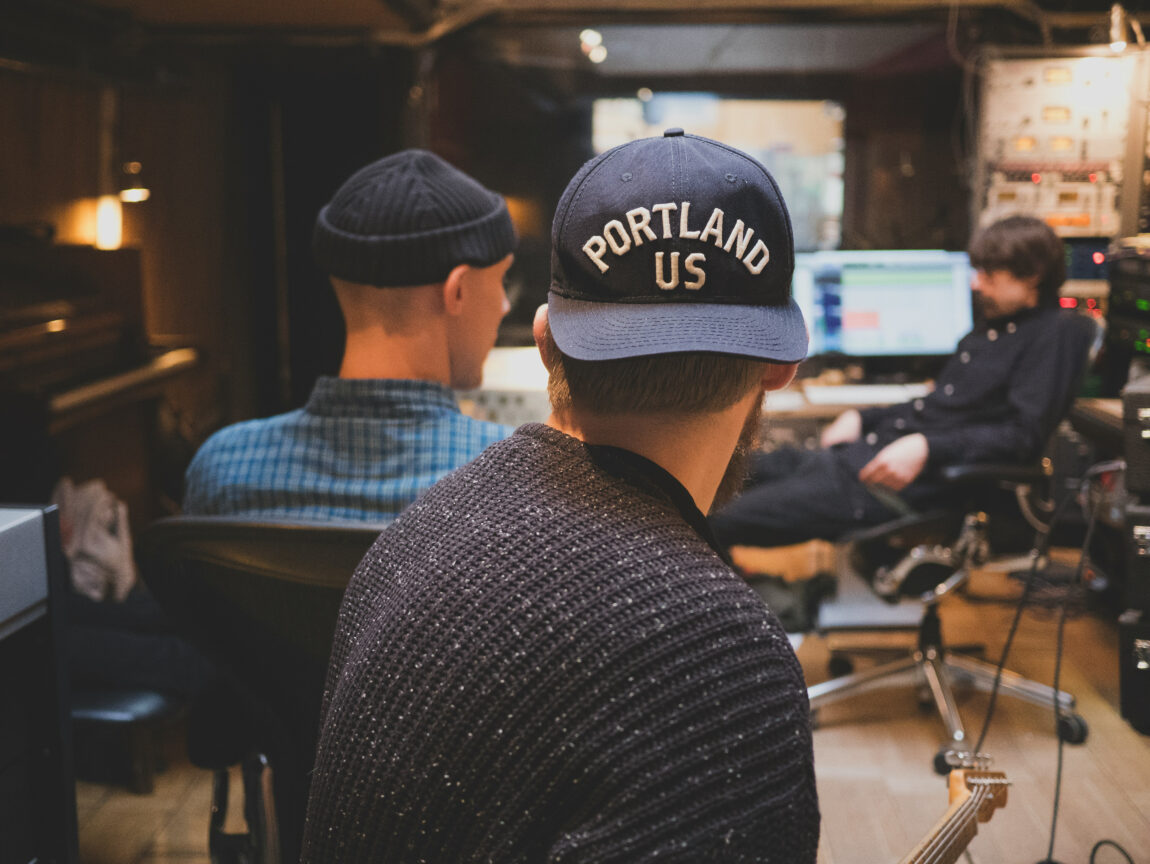
Three people in a recording studio. One wears a hat reading

So you’ve poured your heart and soul into a track. You wrote the lyrics while staying in an ashram in India, came up with the chords on a family heirloom guitar, recorded the whole thing in a cabin in the woods and put every fibre of your being into this one outstandingly beautiful piece of art. You decide, after years of writing, that you’re going to release this magnum opus into the world.

And no one cares.

It’s not a good feeling. Your hopes and dreams of overnight viral success have been broken, and you’re left wondering if any of this is even worth it. Perhaps your music just doesn’t have what it takes.

In reality, though, your music probably is as good as you think it is. You just need to work on your music promotion strategy.

At Decent, we can help you reach the next stage in your music career through playlisting, ads and radio plugging, but if you’re just getting started, here are a few tips on how to get people to care about your music.

Stop Thinking Good Music Is Enough

Ok, prepare yourself. This one might sting a little…

Creating amazing music is the bare minimum.

If you’re an artist, you’re expected to know how to create good music. Just like if you’re a hairdresser you’re expected to understand how to use a pair of scissors. Successful artists find ways to connect with their audience. If you are just dropping links and saying “Check out my new song,” without context, you’re wasting your time. What makes you stand out? What’s your story? Why should people listen?

If you’re not sure what makes you stand out, spend some time developing a clear artist identity. If this is something totally new to you, get in touch to find out how we can help you define who you are as an artist.

Fans Are Worth More Than Streams

We often talk about the importance of playlist placements and Spotify streams, but the truth is that this means nothing if no one knows who you are. Organic engagement with real people is the most important thing for a musician.

Find out where your audience hangs out (Instagram, TikTok, Reddit, Discord, etc.) If you’re yet to build an audience, test the waters on a few different platforms and see what sticks.

Check out our recent post about “Ulterior Motives”; a piece of lost media that became viral on Reddit. Music doesn’t often get much traction on Reddit (compared to other platforms), however, due to this particular track’s sense of mystery and intrigue, the r/lostmedia SubReddit lost their minds over it. Consider all avenues when looking for your audience.

Promoting yourself online can often feel superficial, so it’s imperative that you remain authentic to ensure your music gets to the right ears. You already have potential super-fans, you just need to find where they are.

Don’t Rely on Just One Platform

Focusing your attention on whichever platform your content performs best on is a powerful strategy, however, you should still cross-post across platforms. Not only does this open you up for more engagement, but it’s a safe bet in case the platform you post on changes its algorithm (or dies). Diversify your presence across multiple platforms, Use metrics to discover which work and spend more time on those without shunning others.

We get it; this can be draining. So if you’re feeling like this is simply too much work, at the bare minimum you should regularly use:

  • One platform to directly reach fans (email lists, Discord, Patreon).
  • One platform to post your content to reach potential new fans (Facebook, Instagram, Bluesky).

Maintaining an online presence can be difficult, especially when multiple platforms are being used. Get in touch if you’re struggling and find out how we can help you boost your following on social media to take off some of the pressure.

Make it Easy For Yourself – Repurpose Content

Coming up with new content ideas can be exhausting and frustrating. Here’s a tip that’ll help you through: repurpose.

One piece of content can be broken down and repurposed in multiple ways. Here’s an example of how to make the most out of a 5-song live studio set by repurposing:

  • Upload the full video to YouTube.
  • Upload each individual song to YouTube.
  • Crop one (or more) 30-second clip from each song and upload it as short-form content (YT shorts, Facebook/Instagram stories).
  • Release the audio from the live set as a Spotify album.

Ensure each piece of content links back to your online store, or Spotify profile to ensure more album sales or streams.

From one live set, you have a wealth of content to work with to promote your music. From there, you can begin looking into Meta ads to promote your music even further. Get in touch and find out more about our ads services and how we can boost your fan base.

Get Comfortable With Music Promotion & Marketing

Too many artists think promoting their music is “cringe” or “selling out.” But the harsh truth is that if no one hears your music, it doesn’t exist. Marketing doesn’t mean being fake. It means finding creative ways to share your work without being annoying.

Some post ideas:

  • Post behind-the-scenes content, not just final releases.
  • Share the process, struggles, and inspirations behind your music.
  • Make people feel like they’re part of your journey.

Be Consistent and Don’t Give Up

One release isn’t going to change your life overnight. The artists who succeed are the ones who keep showing up, release after release, post after post, gig after gig. Posting on socials is probably not what you envisioned being an artist would be like when you first started making music, but it allows you to progress as an artist. Create a realistic release schedule and stick to it.

Give People a Reason to Care

The hard truth is that making great music is just the beginning. If you want people to care, you need to show them why they should. That means defining your identity, building real connections, and consistently putting yourself out there in a way that feels authentic.

Music promotion isn’t selling out – it’s giving your art the chance to be heard. The artists who succeed aren’t necessarily the most talented; they’re the ones who refuse to give up.

Need Help?

Feeling overwhelmed? You don’t have to do it alone. At Decent, we specialise in getting your music to the right ears. Get in touch, and let’s take your music to the next level.

How to Promote Your Music on Bluesky: A Musician’s Guide

A woman works on a laptop at a wooden desk by a window. A gray backpack, orange hard drive, and coffee cup are nearby. Bright lighting.

Facebook and X (or Twitter) have been essential tools for musicians for years. Both huge social media platforms, using at least one of them has essentially been a necessity for the past decade and a half. However, things are changing. We don’t like to get too political over here at Decent, but let’s just say we can understand, due to some recent events, why some people might consider moving over to a newer platform.

Though Facebook and Twitter are still powerful tools for artists (Check out our recent blog post on how to optimise your Facebook presence), you might consider setting up a Bluesky account. Started by the people who brought you Twitter, Bluesky is becoming a popular alternative to the current dominating social media sites.

Here’s a quick guide on how you can optimise your Bluesky profile as a musician.

1. Engage with the Community

Bluesky is still growing, and its user base is more interactive than other mainstream platforms. Take advantage of this by:

  • Commenting on and reposting content from fellow musicians and fans.
  • Engaging in conversations related to your genre, music production, or indie music communities.
  • Participating in Bluesky-exclusive music discussions and networking with like-minded artists.

A great feature of Bluesky is the starter pack feature. Anyone can make these – they’re basically just a list of people that you may want to follow. if you’re confident that the person curating them has good taste, you can just click ‘follow all’, otherwise, have a scroll through and pick the accounts that suit you.

Here are a few that may appeal to musicians:

2. Post Consistently (But Authentically!)

Unlike algorithm-driven platforms, Bluesky thrives on real engagement. Post content that resonates with your audience without feeling spammy:

  • Share clips of your music, behind-the-scenes content, or thoughts on your creative process.
  • Post about upcoming releases, gigs, or collaborations in a conversational way rather than a hard sell.
  • Ask questions and invite feedback to encourage discussions with potential fans.

Many are making the move to Bluesky due to current political changes that are affecting the more dominant social media platforms. Bear this in mind when considering what you want to post; people on Bluesky want to connect with real people, so authenticity is key.

3. Cross-Promote with Other Platforms

Many musicians use Bluesky alongside Instagram, Bandcamp, and Mastodon. Cross-posting snippets from Bluesky to other platforms can help bridge your audience and encourage them to follow you across multiple channels.

4. Collaborate and Network

Since Bluesky is still growing, it’s a great time to build connections early. Collaborate with other artists by reposting each other’s work, starting group discussions, or even organising virtual performances exclusive to Bluesky users.

Bluesky offers a fresh, decentralised space for musicians to promote their work without fighting restrictive algorithms or corporate interference. By actively engaging, sharing quality content, and networking with the growing community, you can establish a strong presence and build a loyal fanbase.

To find out how to promote your music even further, get in touch to find out more about our promotion services, such as radio plugging, playlisting, and social media ads.

Our Grassroots Music Venues Are Dying. Do We Care?

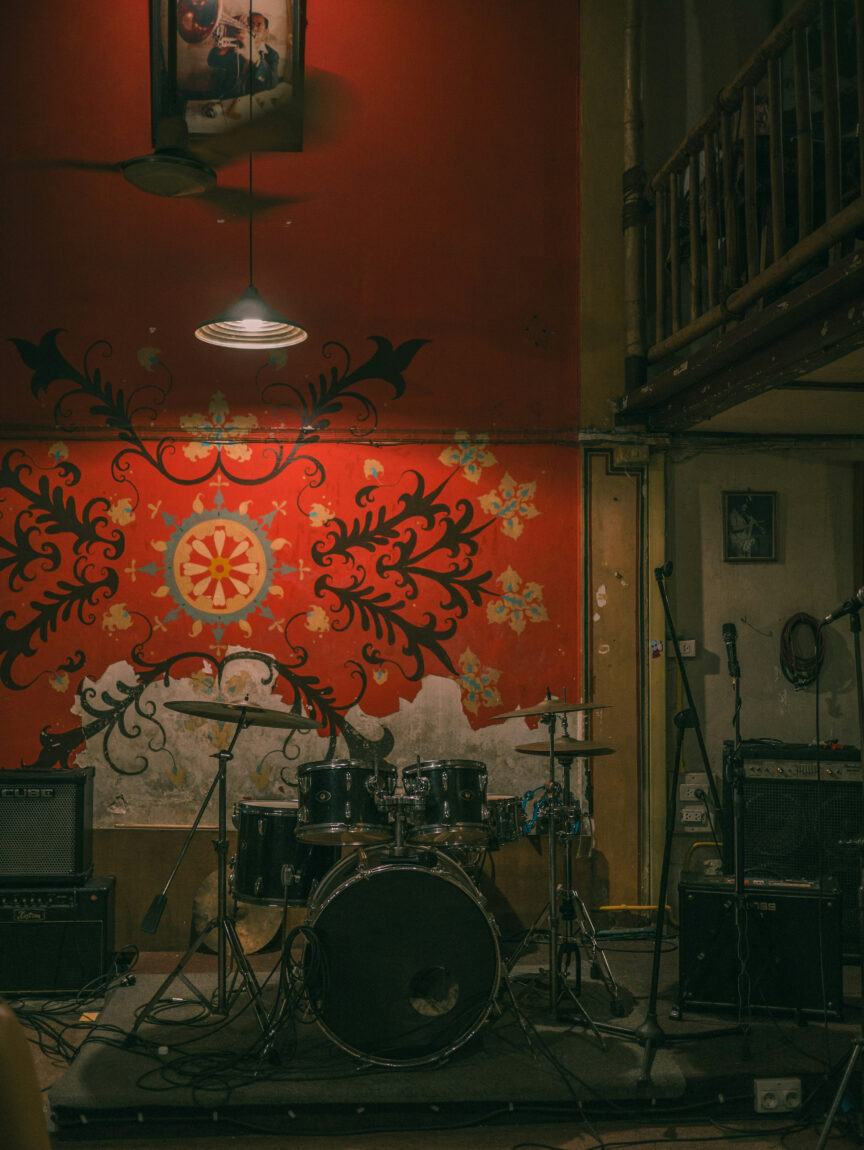
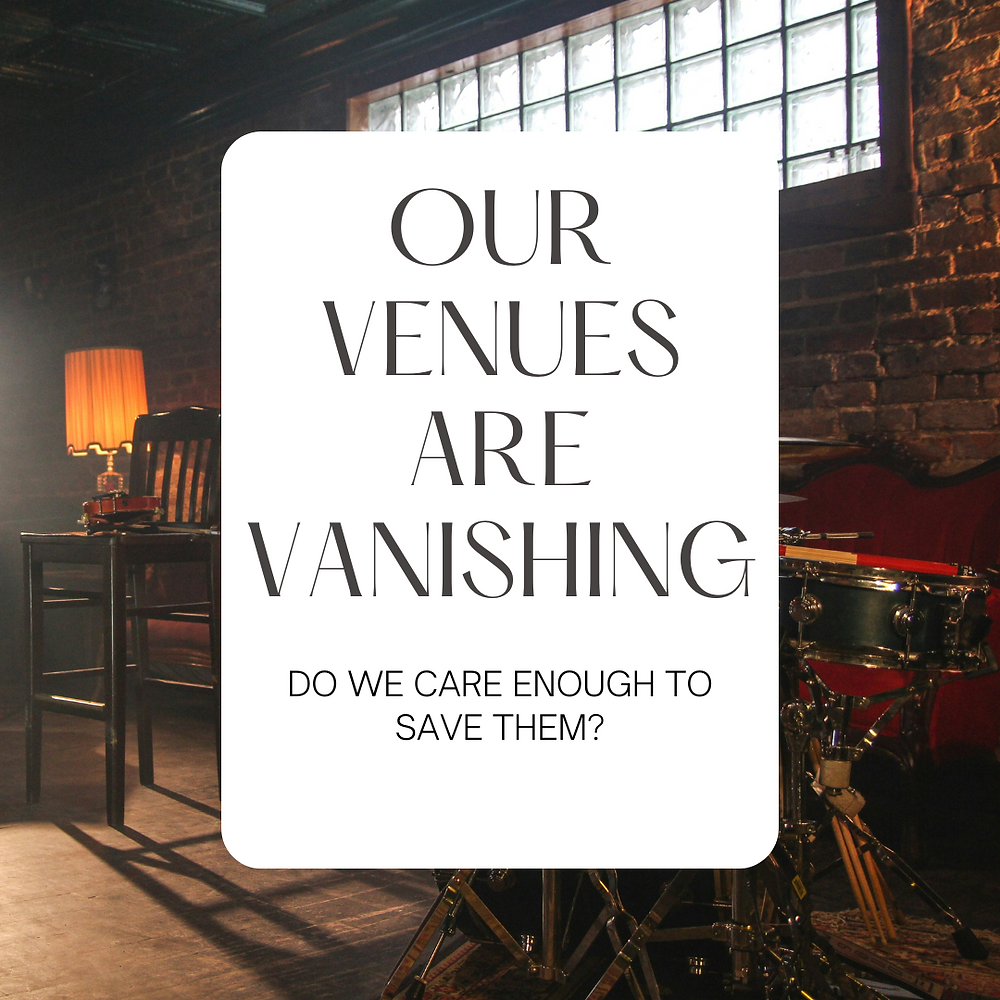
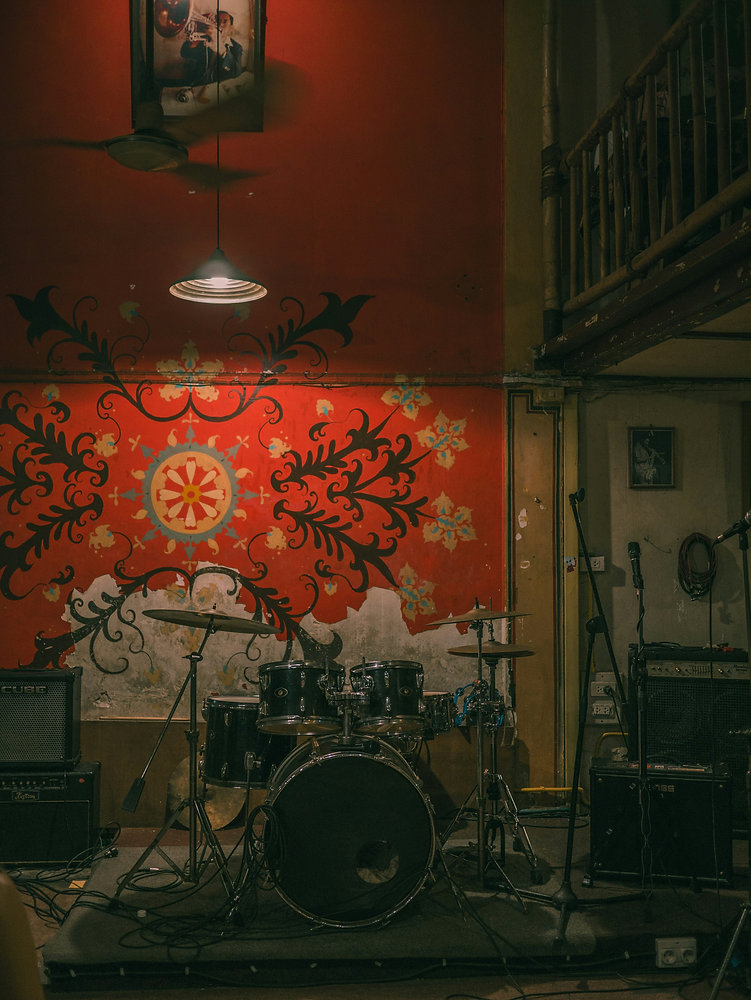
Dimly lit venue with drum set, microphone, keyboard, and vintage furniture. Warm light from a lamp creates a cozy atmosphere.

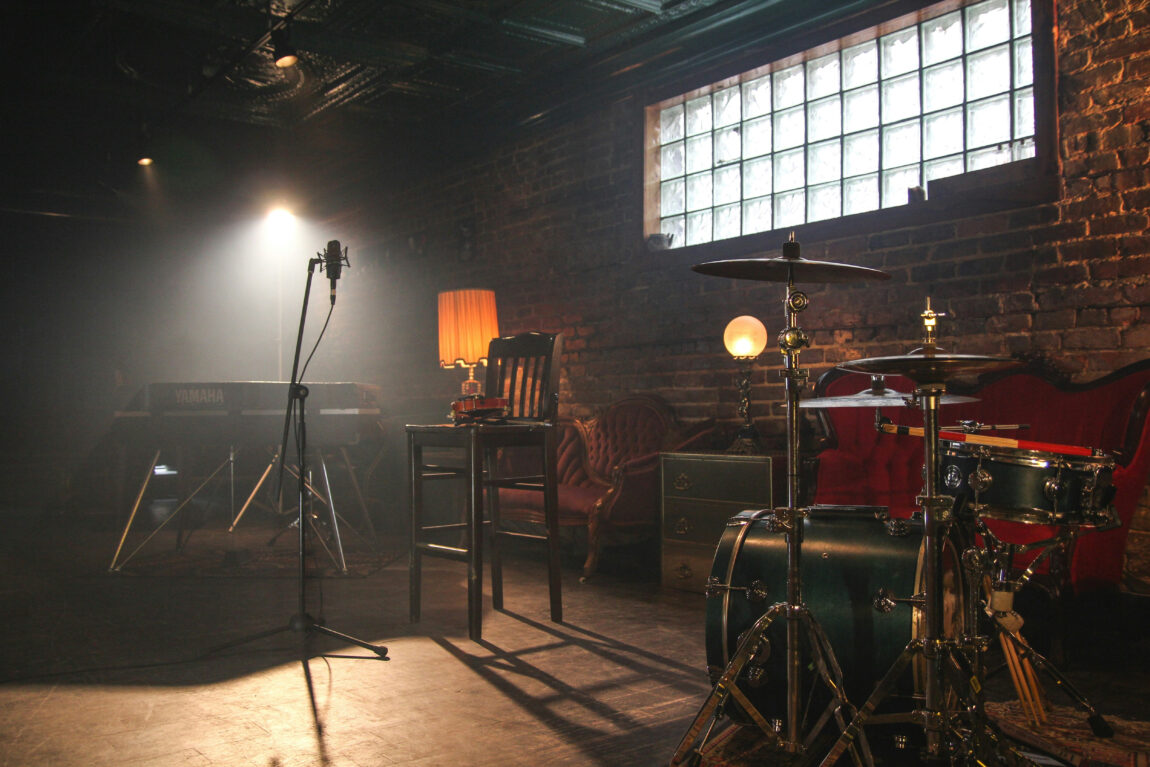
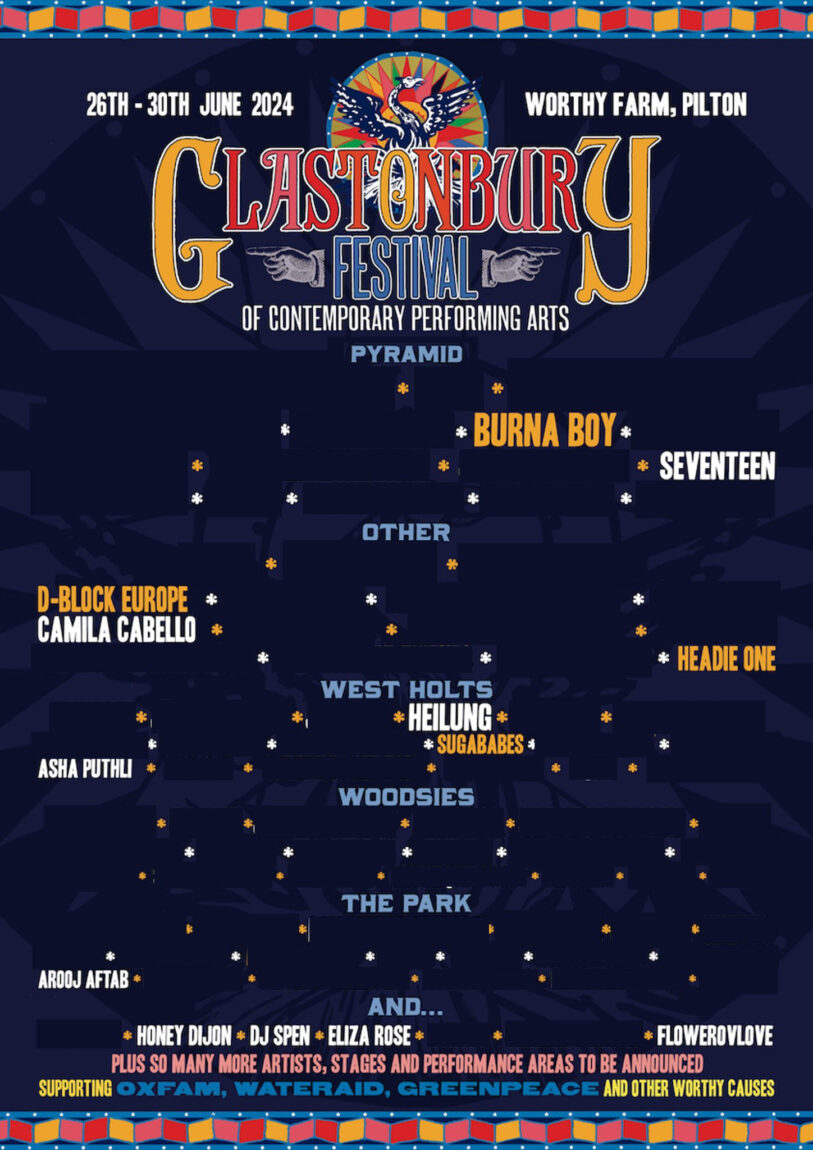
In 2024, the Music Venue Trust (MVT) dealt with 200 emergency response cases, a 19% increase from the previous year. That’s nearly a quarter of their entire membership that reached out for urgent advice and guidance to prevent their venues from closing down. These statistics paint a pretty bleak picture; the UK music industry is facing a crisis. But as streaming becomes the norm for consumers and we increasingly move towards a mainly digital existence, The question is: do we even care enough to save these disappearing spaces?Glastonbury Festival 2024 poster with all artists who began their careers in grassroots venues removed.

Our music venues are vital for small artists’ careers. In March 2024, the Music Venue Trust posted this image on X (Formerly Twitter) with the caption: “Glastonbury… only without the artists who started their careers in Grassroots Music Venues”, leaving just 13 artists on the bill. A few days later, an updated count revealed that five of the remaining acts had also started in grassroots venues, leaving only eight artists. That’s 91.7% of the artists performing at one of the world’s biggest music festivals owing their careers to the existence of small, independent venues.

91.7%, yet our venues are still closing down.

This statistic emphasises the importance of grassroots venues as creative hubs for musicians. But their significance doesn’t end there. These venues are cultural hotspots that bring communities together, inspire creativity, and keep our towns and cities alive.

So, why are they closing?

Financial struggles account for 44.2% of closures, with rising rents and operating costs making it increasingly difficult for small venues to stay in business. These areas are often targeted by developers to convert into flats or commercial spaces, and the influx of new residents brings noise complaints that venues simply cannot afford to fight. Licensing issues and legal battles often force closures before solutions can even be explored.

The problem runs deeper than economics. Attending gigs has become a less popular activity for many, as digital streaming replaces the physical experience of standing in a crowd and experiencing a live performance. Festivals like Glastonbury are dominated by big-name acts, while the grassroots scene that nurtured those very artists at the start of their careers receives less attention and fewer resources. Add to that the lingering effects of COVID-19, which devastated live music venues worldwide, and it becomes clear why so many are struggling to keep their doors open.

The closure of grassroots venues doesn’t just rob emerging artists of a platform to perform and share their music. It takes away vital spaces for communities to connect. These venues are hubs of creativity and social interaction. They are spaces to share ideas, meet like-minded individuals, and build relationships. Losing them doesn’t just impact the music industry; it impacts the culture of entire neighbourhoods.

Music Venue Trust are fighting back, advocating for policy changes, providing financial support, and raising awareness about the value of grassroots venues. Their campaigns, such as #SaveOurVenues, have already helped many spaces stay open. However, it’s not enough to rely on organisations and campaigns alone; the public also has a role to play. Though we strongly encourage donating to support the cause, the most effective thing you can do to support your local grassroots music venue is to buy a gig ticket, go to a gig, and buy a few drinks when you’re there.

The question isn’t just whether we can save these venues, but whether we care enough to try. If we allow these spaces to disappear, we lose more than music. We lose the communities, the stories, and the energy that makes live music so special.

Once they’re gone, they’re gone for good.

The soul of the music industry depends on the survival of grassroots music venues. By working to keep them open, we’re fighting for creativity, culture, and connection. As artists and music lovers, we can’t afford to lose these spaces. So donate, attend gigs, and join the fight to keep our vibrant music scene alive. 

Why Collaboration Is Key to Growing Your Career in Music

Two musicians sing passionately into a vintage microphone. One holds a guitar, the other holds a bass. Background is blurred with warm lighting creating an energetic vibe.

Lennon & McCartney. Simon & Garfunkel. Ant & Dec. Collaboration between artists has helped create some of the most beautiful works of art in music history. Working with others not only relieves the incessant loneliness and boredom of being a musician in 2025, but it can unlock opportunities, spark creativity, and propel your career forward, especially if you’re a new artist. Here’s how collaborations can help to boost your music career in 2025.

1. Expand Your Network

When you collaborate, you’re not just vibing with a new artist, but their entire network. You’re essentially crashing their party and meeting (or stealing) their friends. This can mean:

  • New performance opportunities.
  • Connections with managers, promoters, or labels (who might just reply to your emails now).
  • Cross-promotion to different fanbases (because your mum’s 37 Facebook shares only go so far).

2. Reach New Audiences (Or, Borrow Someone Else’s Fans)

One of the most significant benefits of collaboration is reaching new listeners. By working with artists from different genres or regions, you expose your music to fans who may never have discovered you otherwise. For example:

  • Featuring on another artist’s track can introduce you to their followers.
  • Co-headlining a tour can attract diverse crowds.
  • Remix or cover each other’s songs, because why not let Spotify’s algorithm do some of the heavy lifting?

3. Enhance Creativity

Two heads are better than one, especially when it comes to music. Collaboration is like the cheat code for creativity, often leading to music that’s greater than the sum of its parts. Collaborating allows you to:

  • Experiment with new styles or genres.
  • Learn fresh songwriting and production techniques and approaches.
  • Escape creative block by stealing—uh, sharing someone else’s genius.

4. Build Credibility and Visibility

Got imposter syndrome? Slap a big-name collab on your CV. A notable partnership signals to fans and industry professionals that your music is worth their attention. Teaming up with peers can boost your profile by combining your fanbases and resources.

5. Foster Personal Growth

Collaboration isn’t just good for your music; it’s good for your soul (Okay, maybe just your social skills). Working with others helps you:

  • Develop better communication and teamwork skills.
  • Handle creative differences without punching anyone.
  • Gain confidence in sharing your ideas and taking constructive criticism.

6. Create Buzz and Momentum

Fans love collabs. Why? Because they’re basically artist crossovers, and who doesn’t love a crossover episode? A good collaboration can:

  • Blow up your social media.
  • Land you on decent playlists or press write-ups.
  • Boost your streams and record sales.

7. Learn the Business Side of Your Career in Music

Turns out, collabs aren’t just about jamming. They’re also an MBA crash course in the music business. You’ll learn:

  • How to split royalties without ruining friendships.
  • Marketing tricks your collaborator swears by.
  • Secrets of production, touring, and even merch.

8. Strengthen Community Ties

Music can feel like a solo grind, but collaboration reminds you that we’re all in this together. By teaming up, you:

  • Build a support network of people who get it.
  • Get advice, encouragement, and maybe even a beer or two.
  • Strengthen the indie music community.

Tips for Successful Collaboration

To make the most of your collaborations, keep these tips in mind:

  • Choose the right partners: Work with people whose values, style, and goals align with yours.
  • Communicate clearly: Establish expectations so you don’t end up in a passive-aggressive texting spiral.
  • Be open-minded: Embrace new ideas and approaches, even if they’re outside your comfort zone.
  • Respect their input: Acknowledge and value what your collaborator brings to the project (nobody likes a diva).
  • Promote the collaboration: Share the work enthusiastically across all your channels to maximise its impact.

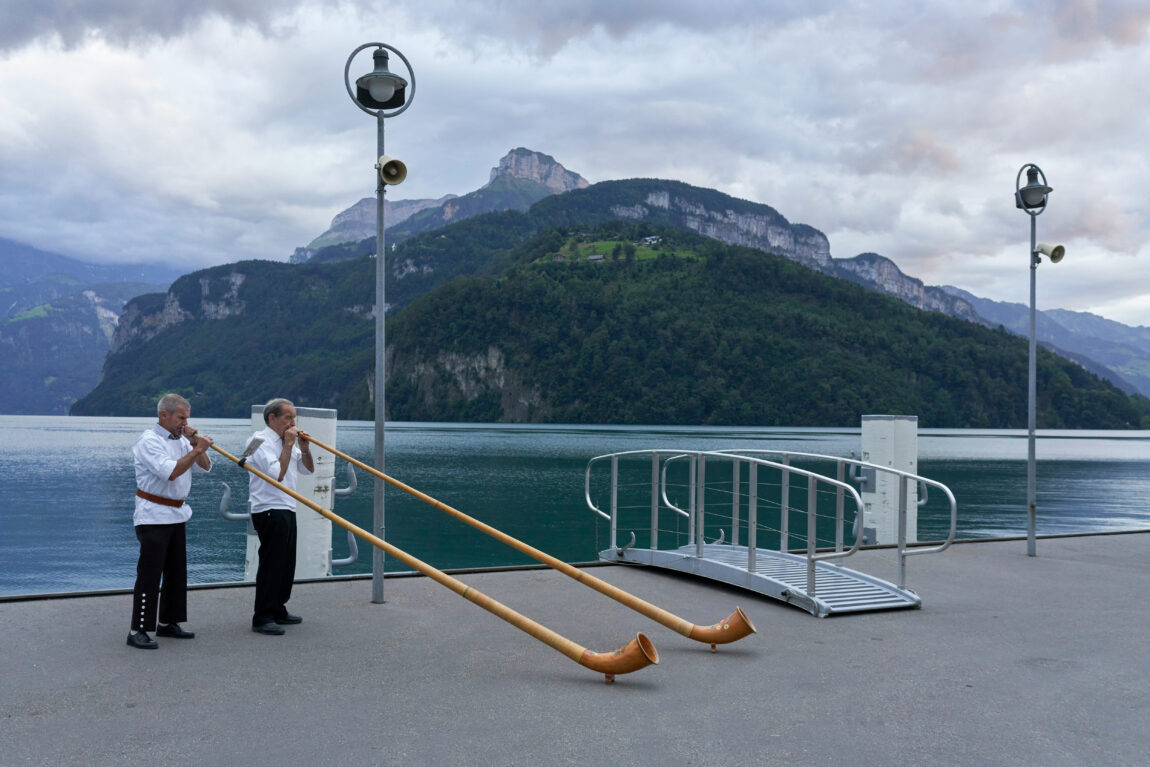
Two men play long alphorns on a lakeside pier, surrounded by mountains under a cloudy sky. The mood is serene.

Collaboration isn’t just a business move; it’s a chance to connect, grow, and make music that’ll blow people’s minds. So go on – slide into those DMs, grab a coffee or a beer, and start planning your next big project. Who knows? You might just make history (or at least a killer playlist).

If you’re looking to boost your career in music even further, get in touch and find out how we can promote your music through playlisting, radio plugging and social media.