A Rich Man’s Game: How the Music Industry is Rigged for the Rich

Stack of 100-dollar bills, prominently showing the number

In a recent interview with NME, Sam Fender described the music industry as being “rigged”, with “90 per cent kids who are privately educated”. Fender himself has defied the odds, becoming a highly celebrated artist despite his working class background in North Shields. Yet, he acknowledges the immense barriers facing aspiring artists who aren’t born into wealth. “A kid from where I’m from can’t afford to tour, so there are probably thousands writing songs that are ten times better than mine, poignant lyrics about the country, but they will not be seen because it’s rigged,” he said.

It’s true that touring is becoming increasingly difficult for small musicians to make a profit from. A 2024 survey of 1,700 artists by Pirate Studios revealed that 54% have reported no change in gig fees, while 29% reported a decrease. Rising touring costs due to Brexit and the war in Ukraine are making it even more difficult to return from touring without having made a loss.

But it’s not just the price of touring that’s affecting musicians. Equipment is becoming less and less affordable. According to Breakthrough Guitar, the average price of guitars has increased by approximately 15-20% since 2017, while inflation has increased by only 8%, and a 2022 Guardian article reported that 91% of musicians say they are unable to afford music equipment and 90% are worried about affording food with their current income.

For many artists, the dream of making a living from music is slipping further out of reach. Help Musicians found that in 2023 44% of musicians cited the lack of sustainable income as a barrier to their careers. They also reported in 2025 that 43% of musicians earn less than £14,000 annually from music. Without financial stability, it’s nearly impossible to dedicate the time and resources needed to develop as an artist. As a result, many talented musicians are forced to give up, while those with the means to fund their careers – often from privileged backgrounds – continue to dominate the industry.

With these rising costs, it’s no surprise that music is becoming a rich man’s game. When only those with financial backing can afford to tour, buy equipment, and sustain a career long enough to be noticed, the industry loses voices from diverse backgrounds. While talent and hard work still play a role, financial privilege often determines who gets a platform and who remains unheard.

At Decent Music PR, we want an environment where the same opportunities are available for all musicians, regardless of wealth or background. However, it is also important for musicians to carry on creating during difficult times.

A few tips if you’re struggling:

  • Campaign while creating: appeal for change in the music industry, but don’t wait for it to happen before creating your art. Make sure that nothing gets in the way of your music, not even unfairness in the industry.
  • Seek funding: entities such as PRS Foundation and Help Musicians regularly offer support for musicians. Usually, they want to see that you’ve been working as a musician for some time, so it’s best to start releasing and playing live first. They also only support artists who write their own music.
  • Use what you have: inability to upgrade your equipment due to rising costs can often feel like a road block as a musician. Try to make the most of what you already have and understand that it’s you who makes the music, not the equipment. Take a DIY approach where necessary.

If the music industry wants to foster genuine diversity and fresh talent, structural changes are needed. Increased funding for working class artists, fairer gig fees, and support for independent musicians could help level the playing field. Until then, as Fender suggests, many of the most important songs of our generation may never be heard.

Your Music Isn’t Enough: The Harsh Truth About Music Promotion

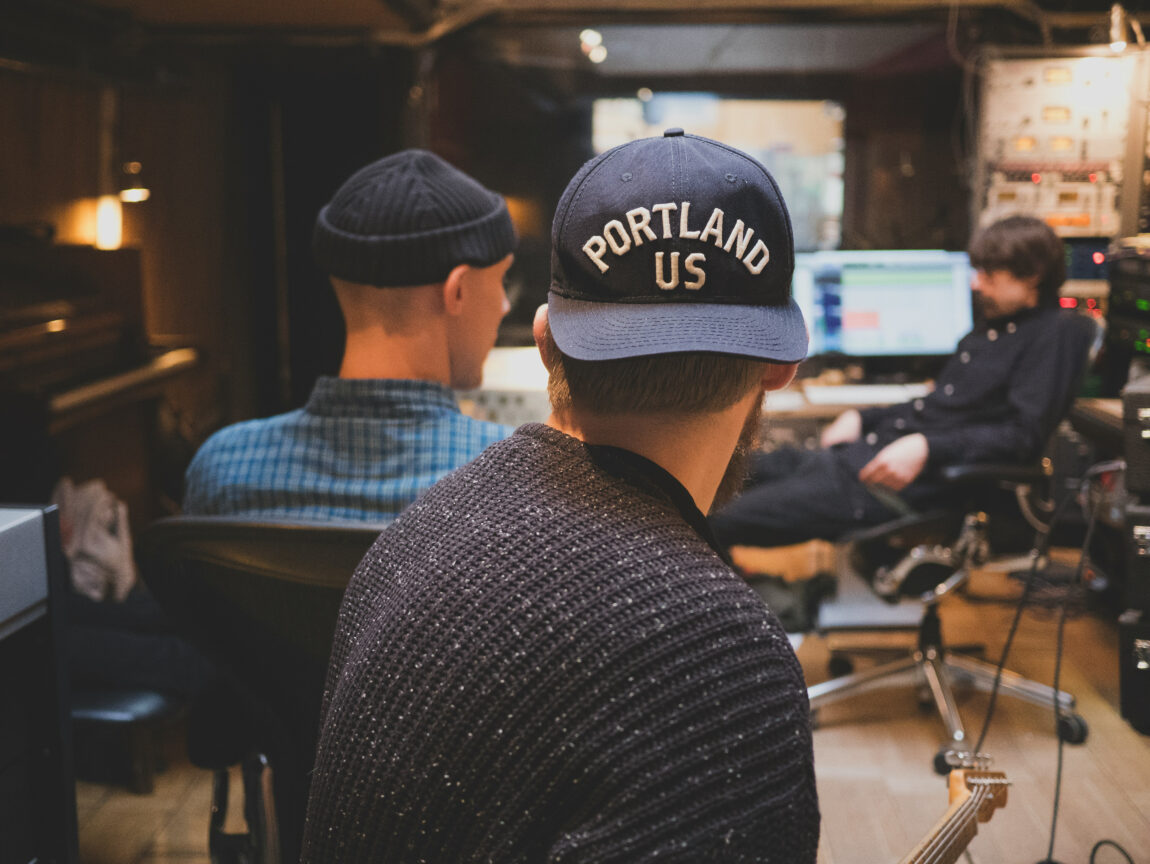
Three people in a recording studio. One wears a hat reading

So you’ve poured your heart and soul into a track. You wrote the lyrics while staying in an ashram in India, came up with the chords on a family heirloom guitar, recorded the whole thing in a cabin in the woods and put every fibre of your being into this one outstandingly beautiful piece of art. You decide, after years of writing, that you’re going to release this magnum opus into the world.

And no one cares.

It’s not a good feeling. Your hopes and dreams of overnight viral success have been broken, and you’re left wondering if any of this is even worth it. Perhaps your music just doesn’t have what it takes.

In reality, though, your music probably is as good as you think it is. You just need to work on your music promotion strategy.

At Decent, we can help you reach the next stage in your music career through playlisting, ads and radio plugging, but if you’re just getting started, here are a few tips on how to get people to care about your music.

Stop Thinking Good Music Is Enough

Ok, prepare yourself. This one might sting a little…

Creating amazing music is the bare minimum.

If you’re an artist, you’re expected to know how to create good music. Just like if you’re a hairdresser you’re expected to understand how to use a pair of scissors. Successful artists find ways to connect with their audience. If you are just dropping links and saying “Check out my new song,” without context, you’re wasting your time. What makes you stand out? What’s your story? Why should people listen?

If you’re not sure what makes you stand out, spend some time developing a clear artist identity. If this is something totally new to you, get in touch to find out how we can help you define who you are as an artist.

Fans Are Worth More Than Streams

We often talk about the importance of playlist placements and Spotify streams, but the truth is that this means nothing if no one knows who you are. Organic engagement with real people is the most important thing for a musician.

Find out where your audience hangs out (Instagram, TikTok, Reddit, Discord, etc.) If you’re yet to build an audience, test the waters on a few different platforms and see what sticks.

Check out our recent post about “Ulterior Motives”; a piece of lost media that became viral on Reddit. Music doesn’t often get much traction on Reddit (compared to other platforms), however, due to this particular track’s sense of mystery and intrigue, the r/lostmedia SubReddit lost their minds over it. Consider all avenues when looking for your audience.

Promoting yourself online can often feel superficial, so it’s imperative that you remain authentic to ensure your music gets to the right ears. You already have potential super-fans, you just need to find where they are.

Don’t Rely on Just One Platform

Focusing your attention on whichever platform your content performs best on is a powerful strategy, however, you should still cross-post across platforms. Not only does this open you up for more engagement, but it’s a safe bet in case the platform you post on changes its algorithm (or dies). Diversify your presence across multiple platforms, Use metrics to discover which work and spend more time on those without shunning others.

We get it; this can be draining. So if you’re feeling like this is simply too much work, at the bare minimum you should regularly use:

  • One platform to directly reach fans (email lists, Discord, Patreon).
  • One platform to post your content to reach potential new fans (Facebook, Instagram, Bluesky).

Maintaining an online presence can be difficult, especially when multiple platforms are being used. Get in touch if you’re struggling and find out how we can help you boost your following on social media to take off some of the pressure.

Make it Easy For Yourself – Repurpose Content

Coming up with new content ideas can be exhausting and frustrating. Here’s a tip that’ll help you through: repurpose.

One piece of content can be broken down and repurposed in multiple ways. Here’s an example of how to make the most out of a 5-song live studio set by repurposing:

  • Upload the full video to YouTube.
  • Upload each individual song to YouTube.
  • Crop one (or more) 30-second clip from each song and upload it as short-form content (YT shorts, Facebook/Instagram stories).
  • Release the audio from the live set as a Spotify album.

Ensure each piece of content links back to your online store, or Spotify profile to ensure more album sales or streams.

From one live set, you have a wealth of content to work with to promote your music. From there, you can begin looking into Meta ads to promote your music even further. Get in touch and find out more about our ads services and how we can boost your fan base.

Get Comfortable With Music Promotion & Marketing

Too many artists think promoting their music is “cringe” or “selling out.” But the harsh truth is that if no one hears your music, it doesn’t exist. Marketing doesn’t mean being fake. It means finding creative ways to share your work without being annoying.

Some post ideas:

  • Post behind-the-scenes content, not just final releases.
  • Share the process, struggles, and inspirations behind your music.
  • Make people feel like they’re part of your journey.

Be Consistent and Don’t Give Up

One release isn’t going to change your life overnight. The artists who succeed are the ones who keep showing up, release after release, post after post, gig after gig. Posting on socials is probably not what you envisioned being an artist would be like when you first started making music, but it allows you to progress as an artist. Create a realistic release schedule and stick to it.

Give People a Reason to Care

The hard truth is that making great music is just the beginning. If you want people to care, you need to show them why they should. That means defining your identity, building real connections, and consistently putting yourself out there in a way that feels authentic.

Music promotion isn’t selling out – it’s giving your art the chance to be heard. The artists who succeed aren’t necessarily the most talented; they’re the ones who refuse to give up.

Need Help?

Feeling overwhelmed? You don’t have to do it alone. At Decent, we specialise in getting your music to the right ears. Get in touch, and let’s take your music to the next level.

How to Promote Your Music on Bluesky: A Musician’s Guide

A woman works on a laptop at a wooden desk by a window. A gray backpack, orange hard drive, and coffee cup are nearby. Bright lighting.

Facebook and X (or Twitter) have been essential tools for musicians for years. Both huge social media platforms, using at least one of them has essentially been a necessity for the past decade and a half. However, things are changing. We don’t like to get too political over here at Decent, but let’s just say we can understand, due to some recent events, why some people might consider moving over to a newer platform.

Though Facebook and Twitter are still powerful tools for artists (Check out our recent blog post on how to optimise your Facebook presence), you might consider setting up a Bluesky account. Started by the people who brought you Twitter, Bluesky is becoming a popular alternative to the current dominating social media sites.

Here’s a quick guide on how you can optimise your Bluesky profile as a musician.

1. Engage with the Community

Bluesky is still growing, and its user base is more interactive than other mainstream platforms. Take advantage of this by:

  • Commenting on and reposting content from fellow musicians and fans.
  • Engaging in conversations related to your genre, music production, or indie music communities.
  • Participating in Bluesky-exclusive music discussions and networking with like-minded artists.

A great feature of Bluesky is the starter pack feature. Anyone can make these – they’re basically just a list of people that you may want to follow. if you’re confident that the person curating them has good taste, you can just click ‘follow all’, otherwise, have a scroll through and pick the accounts that suit you.

Here are a few that may appeal to musicians:

2. Post Consistently (But Authentically!)

Unlike algorithm-driven platforms, Bluesky thrives on real engagement. Post content that resonates with your audience without feeling spammy:

  • Share clips of your music, behind-the-scenes content, or thoughts on your creative process.
  • Post about upcoming releases, gigs, or collaborations in a conversational way rather than a hard sell.
  • Ask questions and invite feedback to encourage discussions with potential fans.

Many are making the move to Bluesky due to current political changes that are affecting the more dominant social media platforms. Bear this in mind when considering what you want to post; people on Bluesky want to connect with real people, so authenticity is key.

3. Cross-Promote with Other Platforms

Many musicians use Bluesky alongside Instagram, Bandcamp, and Mastodon. Cross-posting snippets from Bluesky to other platforms can help bridge your audience and encourage them to follow you across multiple channels.

4. Collaborate and Network

Since Bluesky is still growing, it’s a great time to build connections early. Collaborate with other artists by reposting each other’s work, starting group discussions, or even organising virtual performances exclusive to Bluesky users.

Bluesky offers a fresh, decentralised space for musicians to promote their work without fighting restrictive algorithms or corporate interference. By actively engaging, sharing quality content, and networking with the growing community, you can establish a strong presence and build a loyal fanbase.

To find out how to promote your music even further, get in touch to find out more about our promotion services, such as radio plugging, playlisting, and social media ads.

Decent Music PR Announces Exciting Partnership with Chartmetric

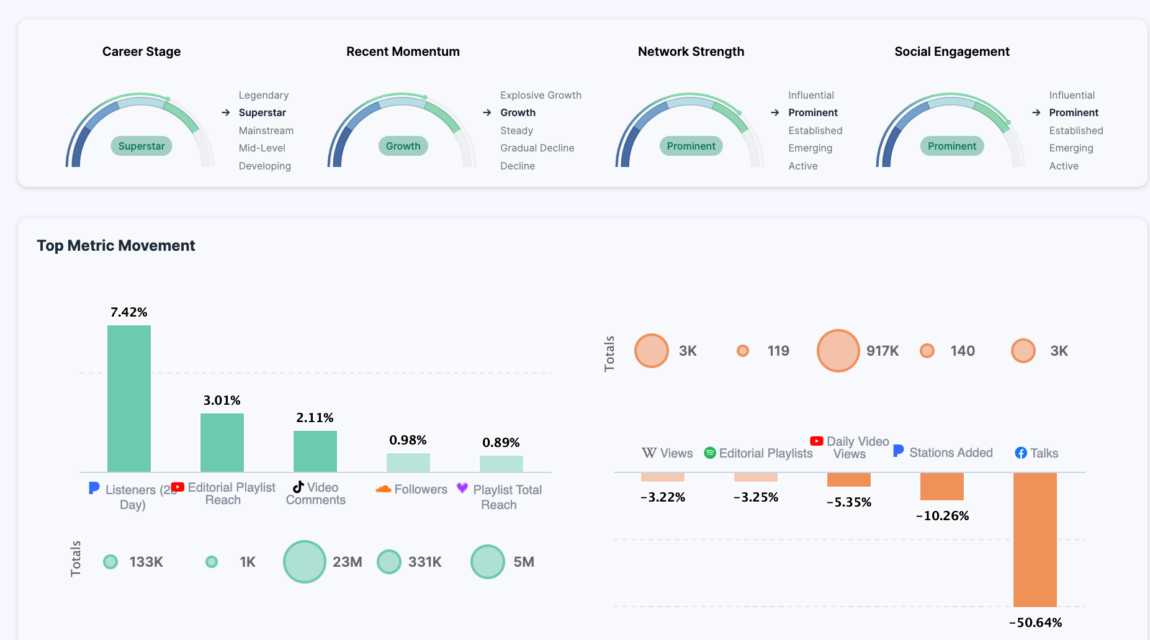
We are thrilled to announce a new partnership between Decent Music PR and Chartmetric, a leading platform for music data and analytics. This collaboration represents a significant step forward in our mission to empower artists and deliver impactful results in the ever-evolving music industry.

About Chartmetric

Chartmetric is the premier destination for music stats and trend analysis. Processing millions of daily data points, Chartmetric identifies emerging music trends before they break, enabling artists, labels, and industry professionals to stay ahead of the curve. Their innovative tools help uncover hidden gems and empower artist growth by tracking performance across streaming, social, and traditional channels. Additionally, their platform provides insights to measure campaign effectiveness and optimize release strategies with real-time performance tracking across all major platforms.

Key Offerings by Chartmetric

Chartmetric’s product range includes powerful tools and insights tailored to the needs of the music industry:

  • Artist Analytics: Track performance metrics across platforms to identify growth opportunities.
  • Playlist Analytics: Understand playlist trends and maximize streaming potential.
  • Album Analytics: Monitor album performance and measure impact.
  • Radio Station Analytics: Gain insights into radio play trends and audience engagement.
  • Curator Analytics: Discover influential curators and target them effectively.
  • Charts: Explore data-driven charts highlighting trending artists, songs, and more.
  • Reporting: Generate detailed reports to inform strategy and decisions.
  • A&R Tools: Identify promising talent and new opportunities for collaboration.

What This Means for Decent Music PR Clients

Through this partnership, Decent Music PR will integrate Chartmetric’s cutting-edge analytics into our services, allowing us to:

  • Provide data-driven strategies tailored to each client’s unique goals.
  • Identify growth opportunities and measure the success of PR campaigns.
  • Optimise release strategies to maximise visibility and impact.
  • Stay ahead of industry trends and connect clients with influential curators and tastemakers.

Looking Ahead

At Decent Music PR, we are dedicated to supporting artists at every stage of their careers. Partnering with Chartmetric enhances our ability to deliver results-driven PR campaigns and strategic insights that empower our clients to thrive in the competitive music landscape.

Stay tuned for more updates as we continue to innovate and collaborate for the benefit of the artists and industry professionals we serve.

Our Grassroots Music Venues Are Dying. Do We Care?

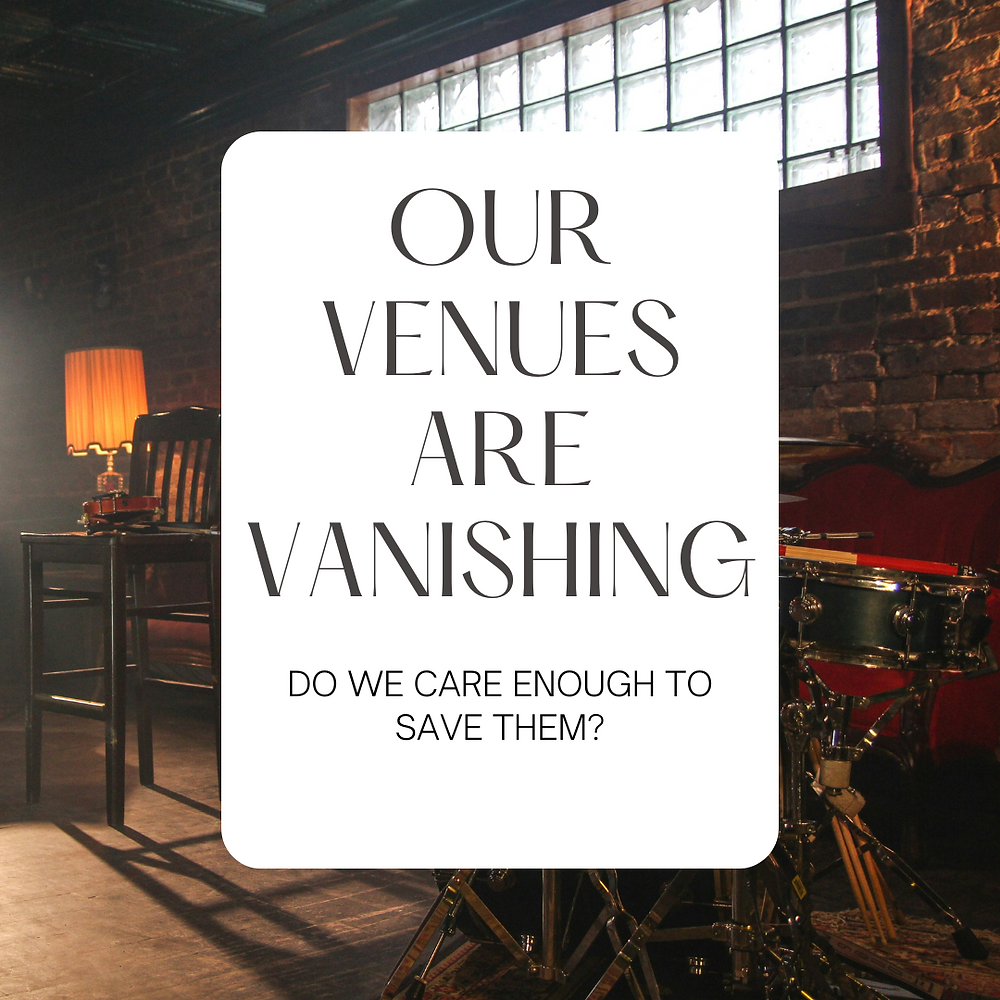
Dimly lit venue with drum set, microphone, keyboard, and vintage furniture. Warm light from a lamp creates a cozy atmosphere.

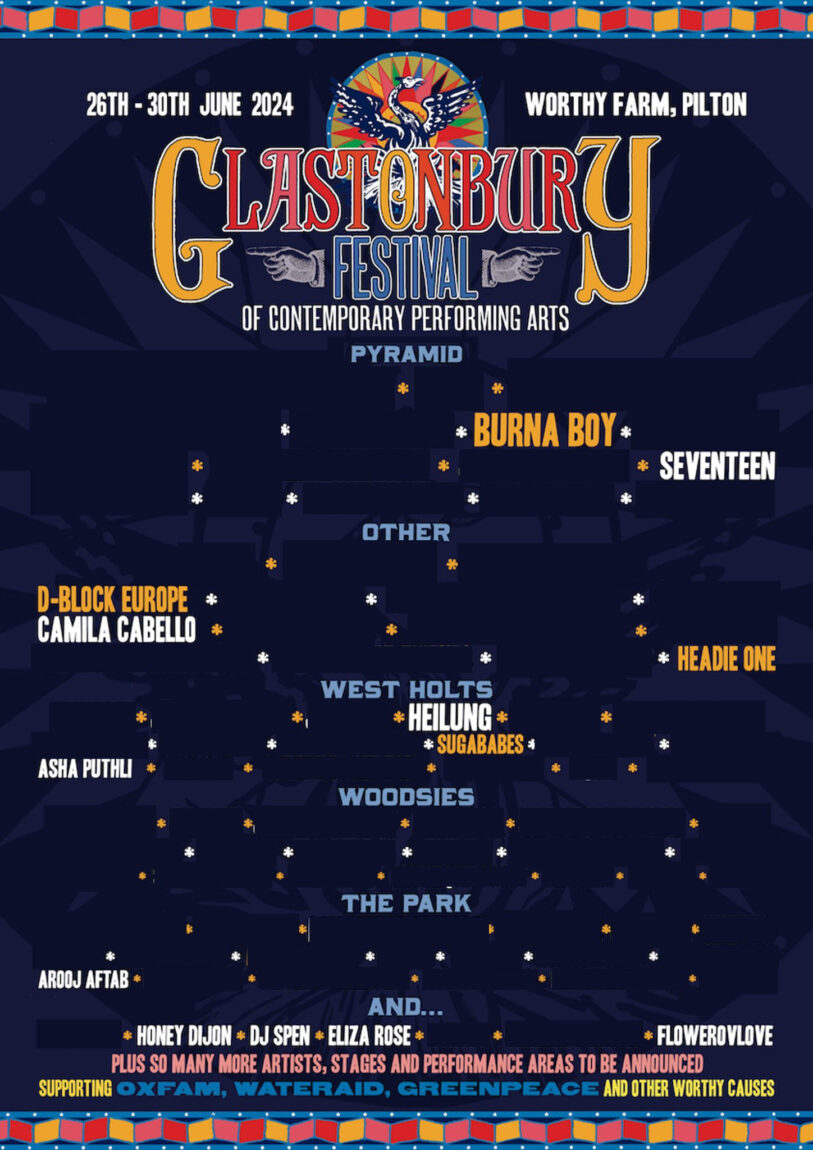
In 2024, the Music Venue Trust (MVT) dealt with 200 emergency response cases, a 19% increase from the previous year. That’s nearly a quarter of their entire membership that reached out for urgent advice and guidance to prevent their venues from closing down. These statistics paint a pretty bleak picture; the UK music industry is facing a crisis. But as streaming becomes the norm for consumers and we increasingly move towards a mainly digital existence, The question is: do we even care enough to save these disappearing spaces?Glastonbury Festival 2024 poster with all artists who began their careers in grassroots venues removed.

Our music venues are vital for small artists’ careers. In March 2024, the Music Venue Trust posted this image on X (Formerly Twitter) with the caption: “Glastonbury… only without the artists who started their careers in Grassroots Music Venues”, leaving just 13 artists on the bill. A few days later, an updated count revealed that five of the remaining acts had also started in grassroots venues, leaving only eight artists. That’s 91.7% of the artists performing at one of the world’s biggest music festivals owing their careers to the existence of small, independent venues.

91.7%, yet our venues are still closing down.

This statistic emphasises the importance of grassroots venues as creative hubs for musicians. But their significance doesn’t end there. These venues are cultural hotspots that bring communities together, inspire creativity, and keep our towns and cities alive.

So, why are they closing?

Financial struggles account for 44.2% of closures, with rising rents and operating costs making it increasingly difficult for small venues to stay in business. These areas are often targeted by developers to convert into flats or commercial spaces, and the influx of new residents brings noise complaints that venues simply cannot afford to fight. Licensing issues and legal battles often force closures before solutions can even be explored.

The problem runs deeper than economics. Attending gigs has become a less popular activity for many, as digital streaming replaces the physical experience of standing in a crowd and experiencing a live performance. Festivals like Glastonbury are dominated by big-name acts, while the grassroots scene that nurtured those very artists at the start of their careers receives less attention and fewer resources. Add to that the lingering effects of COVID-19, which devastated live music venues worldwide, and it becomes clear why so many are struggling to keep their doors open.

The closure of grassroots venues doesn’t just rob emerging artists of a platform to perform and share their music. It takes away vital spaces for communities to connect. These venues are hubs of creativity and social interaction. They are spaces to share ideas, meet like-minded individuals, and build relationships. Losing them doesn’t just impact the music industry; it impacts the culture of entire neighbourhoods.

Music Venue Trust are fighting back, advocating for policy changes, providing financial support, and raising awareness about the value of grassroots venues. Their campaigns, such as #SaveOurVenues, have already helped many spaces stay open. However, it’s not enough to rely on organisations and campaigns alone; the public also has a role to play. Though we strongly encourage donating to support the cause, the most effective thing you can do to support your local grassroots music venue is to buy a gig ticket, go to a gig, and buy a few drinks when you’re there.

The question isn’t just whether we can save these venues, but whether we care enough to try. If we allow these spaces to disappear, we lose more than music. We lose the communities, the stories, and the energy that makes live music so special.

Once they’re gone, they’re gone for good.

The soul of the music industry depends on the survival of grassroots music venues. By working to keep them open, we’re fighting for creativity, culture, and connection. As artists and music lovers, we can’t afford to lose these spaces. So donate, attend gigs, and join the fight to keep our vibrant music scene alive. 

Why Collaboration Is Key to Growing Your Career in Music

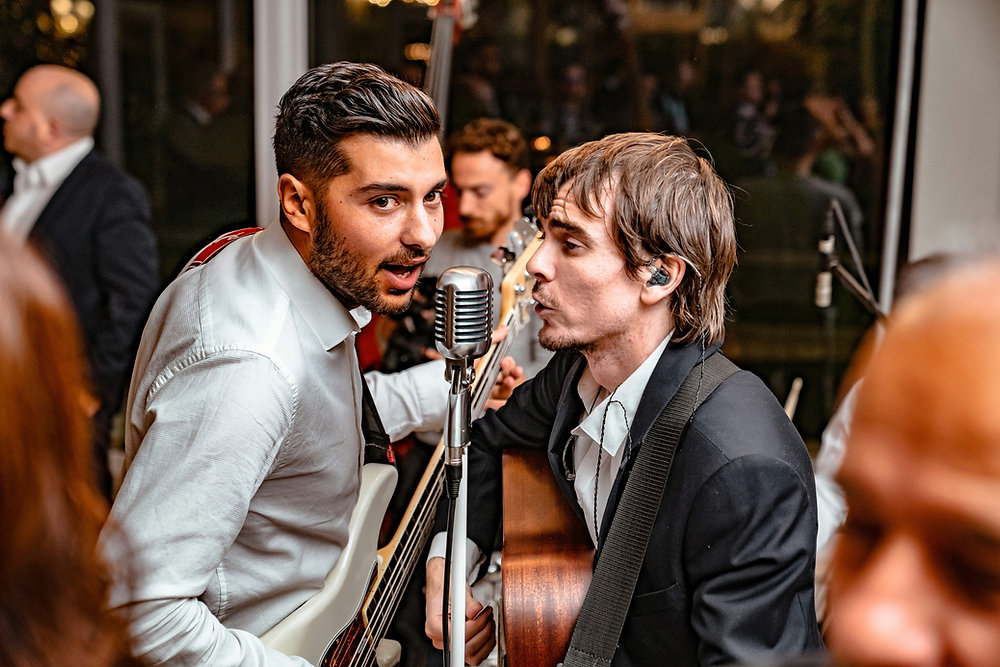
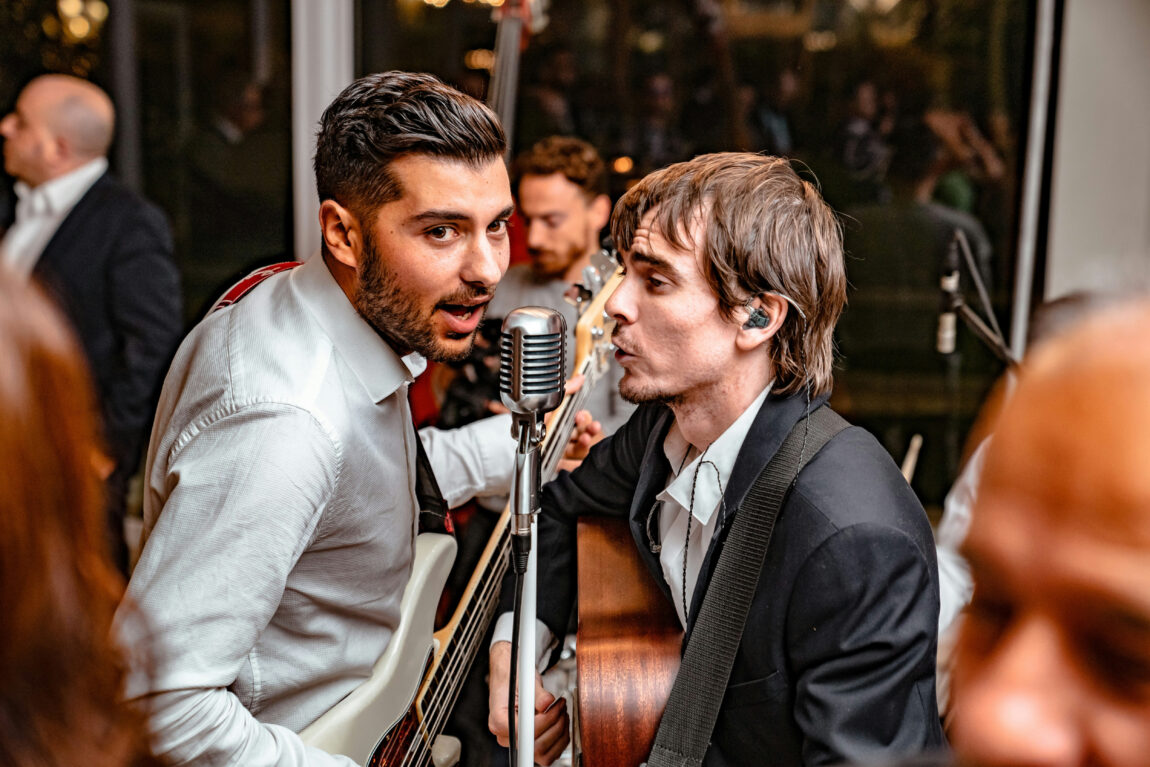
Two musicians sing passionately into a vintage microphone. One holds a guitar, the other holds a bass. Background is blurred with warm lighting creating an energetic vibe.

Lennon & McCartney. Simon & Garfunkel. Ant & Dec. Collaboration between artists has helped create some of the most beautiful works of art in music history. Working with others not only relieves the incessant loneliness and boredom of being a musician in 2025, but it can unlock opportunities, spark creativity, and propel your career forward, especially if you’re a new artist. Here’s how collaborations can help to boost your music career in 2025.

1. Expand Your Network

When you collaborate, you’re not just vibing with a new artist, but their entire network. You’re essentially crashing their party and meeting (or stealing) their friends. This can mean:

  • New performance opportunities.
  • Connections with managers, promoters, or labels (who might just reply to your emails now).
  • Cross-promotion to different fanbases (because your mum’s 37 Facebook shares only go so far).

2. Reach New Audiences (Or, Borrow Someone Else’s Fans)

One of the most significant benefits of collaboration is reaching new listeners. By working with artists from different genres or regions, you expose your music to fans who may never have discovered you otherwise. For example:

  • Featuring on another artist’s track can introduce you to their followers.
  • Co-headlining a tour can attract diverse crowds.
  • Remix or cover each other’s songs, because why not let Spotify’s algorithm do some of the heavy lifting?

3. Enhance Creativity

Two heads are better than one, especially when it comes to music. Collaboration is like the cheat code for creativity, often leading to music that’s greater than the sum of its parts. Collaborating allows you to:

  • Experiment with new styles or genres.
  • Learn fresh songwriting and production techniques and approaches.
  • Escape creative block by stealing—uh, sharing someone else’s genius.

4. Build Credibility and Visibility

Got imposter syndrome? Slap a big-name collab on your CV. A notable partnership signals to fans and industry professionals that your music is worth their attention. Teaming up with peers can boost your profile by combining your fanbases and resources.

5. Foster Personal Growth

Collaboration isn’t just good for your music; it’s good for your soul (Okay, maybe just your social skills). Working with others helps you:

  • Develop better communication and teamwork skills.
  • Handle creative differences without punching anyone.
  • Gain confidence in sharing your ideas and taking constructive criticism.

6. Create Buzz and Momentum

Fans love collabs. Why? Because they’re basically artist crossovers, and who doesn’t love a crossover episode? A good collaboration can:

  • Blow up your social media.
  • Land you on decent playlists or press write-ups.
  • Boost your streams and record sales.

7. Learn the Business Side of Your Career in Music

Turns out, collabs aren’t just about jamming. They’re also an MBA crash course in the music business. You’ll learn:

  • How to split royalties without ruining friendships.
  • Marketing tricks your collaborator swears by.
  • Secrets of production, touring, and even merch.

8. Strengthen Community Ties

Music can feel like a solo grind, but collaboration reminds you that we’re all in this together. By teaming up, you:

  • Build a support network of people who get it.
  • Get advice, encouragement, and maybe even a beer or two.
  • Strengthen the indie music community.

Tips for Successful Collaboration

To make the most of your collaborations, keep these tips in mind:

  • Choose the right partners: Work with people whose values, style, and goals align with yours.
  • Communicate clearly: Establish expectations so you don’t end up in a passive-aggressive texting spiral.
  • Be open-minded: Embrace new ideas and approaches, even if they’re outside your comfort zone.
  • Respect their input: Acknowledge and value what your collaborator brings to the project (nobody likes a diva).
  • Promote the collaboration: Share the work enthusiastically across all your channels to maximise its impact.

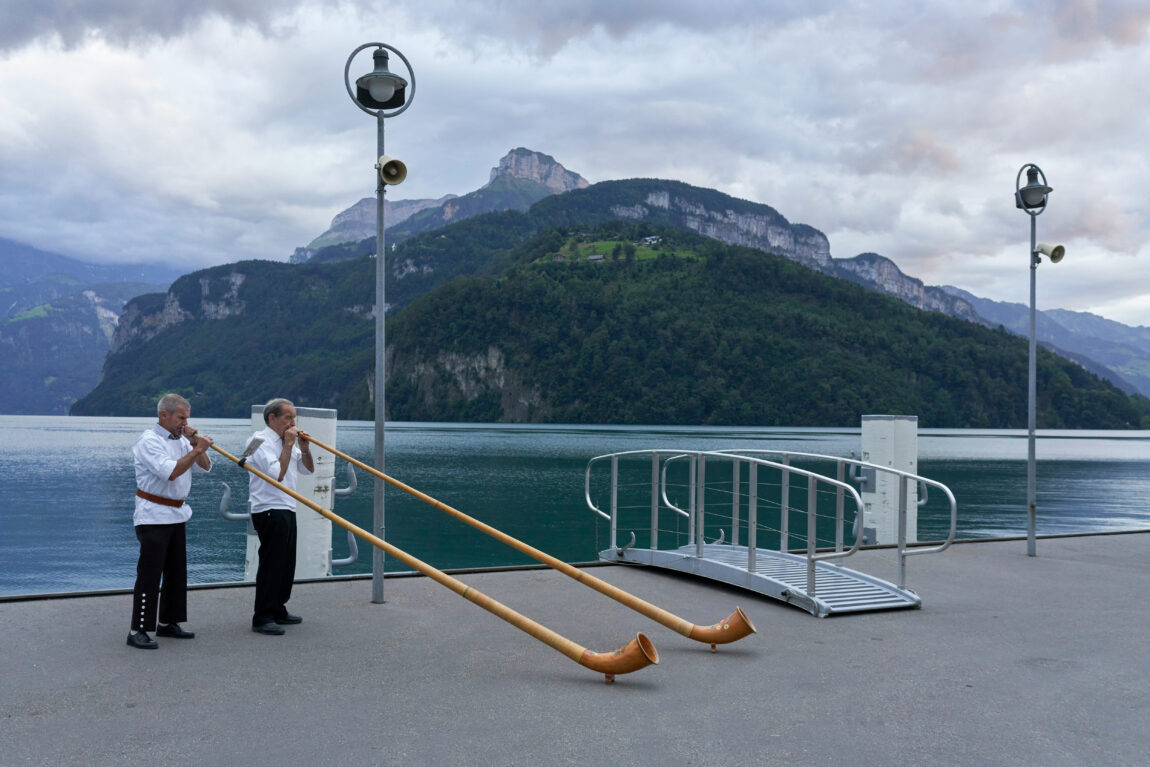
Two men play long alphorns on a lakeside pier, surrounded by mountains under a cloudy sky. The mood is serene.

Collaboration isn’t just a business move; it’s a chance to connect, grow, and make music that’ll blow people’s minds. So go on – slide into those DMs, grab a coffee or a beer, and start planning your next big project. Who knows? You might just make history (or at least a killer playlist).

If you’re looking to boost your career in music even further, get in touch and find out how we can promote your music through playlisting, radio plugging and social media.

Decent Music Partners with We Are Hummingbird to Promote Mental Health Awareness

Decent Music is proud to announce its official partnership with We Are Hummingbird, a groundbreaking non-profit organisation dedicated to raising mental health awareness through the power of music. This collaboration underscores Decent’s commitment to supporting the mental well-being of artists, fans, and the wider creative community. Together, we aim to foster an environment where mental health is openly discussed, destigmatised, and treated with the seriousness it deserves.

Originating in the northern market town of Chorley, We Are Hummingbird is a community of passionate music lovers united by a common mission: to use music as a platform to spark conversations about mental health. The organisation offers an array of resources to encourage individuals to open up about their struggles and seek help. Recognising the prevalence of mental health challenges in the music industry, Decent is thrilled to partner with a group that shares our dedication to this cause.

We Are Hummingbird provides essential services such as Mental Health First Aid and Mental Health Awareness courses, equipping individuals and clients with the tools to support themselves and others. Their community offers a safe, reliable space for people to connect with others who have faced similar challenges. Additionally, WE Are Hummingbird curates playlists which honour artists who have battled mental health issues, spreading the powerful message that no one is alone and that mental health matters.

By joining forces with We Are Hummingbird, Decent Music PR hopes to further amplify the conversation around mental health, provide valuable resources, and remind everyone that help is always available. Together, we’re making strides toward a more compassionate and understanding world.

Mastering Spotify’s Algorithmic Playlists: A Guide

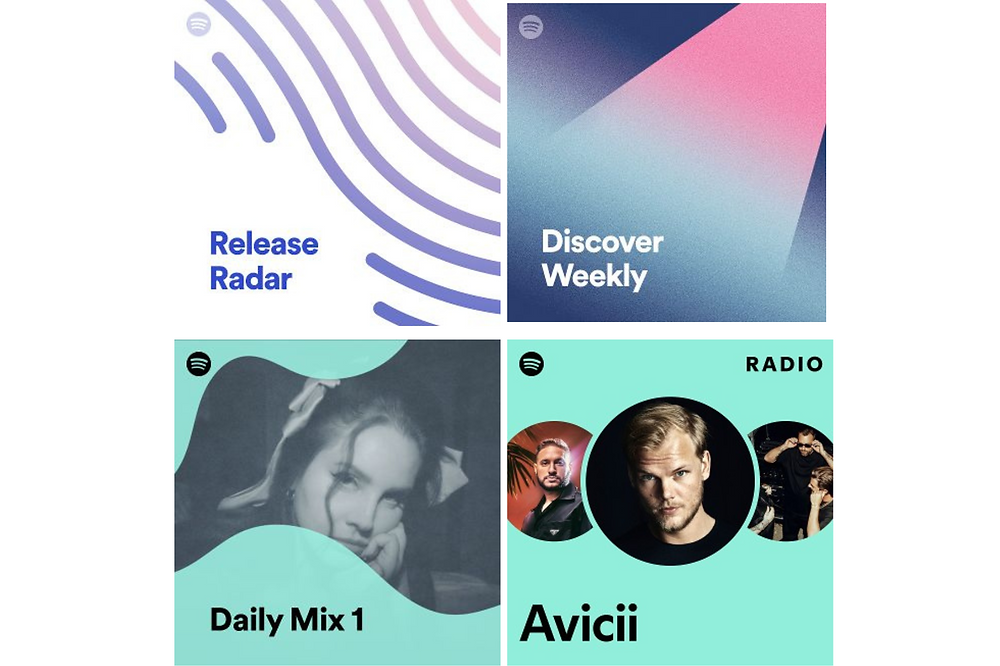
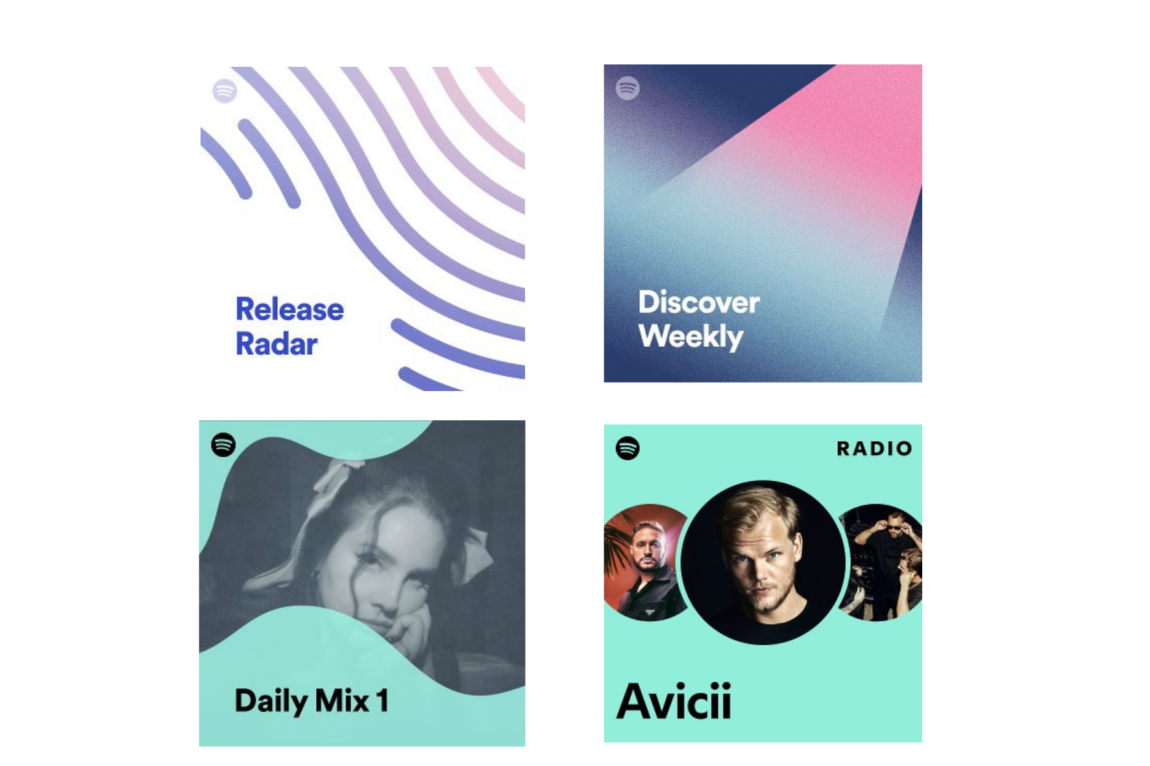
Spotify uses its own algorithms to reward artists with new listeners organically within their own platform. There are 4 main types of algorithmic playlist, and each one has their own trigger points.

1. Release Radar

  • Pre-save Campaign 

Creating a link from your distributor / link platform to gather pre-saves can start the initial movement on the release radar – the more pre-saves the further the release radar will reach out to new listeners and possible fans. Pre-Saves don’t usually make a large difference on the editorial side of things, but it does improve your algorithmic reach and success.

  • Spotify For Artists Pitch 

Filling this pitch out a minimum of one week before release will create an early start for the release radar to configure new listeners based on the data you put into it, such as genre/mood.

  • Independent playlisting 

This can help the algorithm understand where you fit in terms of similar artists – a good linear playlisting push can help to boost the release radars reach on further releases down the line.

  • Release Consistency 

The more you release, the more rewarding the release radar will be, especially if you have promoted previous singles in the right way. It has the ability to go way beyond your followers with consistency.

2. Daily Mix

  • New Listeners Saving Your Music 

Each time a new listener saves a song, or adds it to their own playlist, the more your music gently surfaces in their daily mix.

  • Number of saves 

On average, a song needs to be saved around 50+ times by similar listeners to begin triggering your track within their daily mix.Once this triggers for one song, there is no further trigger point, it will be automatic.

Hitting playlists with listeners that all listen to similar music can help your song reach the daily mix of listeners who haven’t necessarily followed, but have heard you on different playlists. This is usually triggered when a listener has heard a song of yours more than once over their listening habits.

  • Accurate Genre Data 

Keeping a linear perspective of the genre on both your distributor upon upload, as well as the Spotify for artists pitch upon the initial release will help Spotify to quickly recognise where you belong in terms of organic reach beyond listeners that save/playlist your music. Your Daily Mix will trigger from other discovery algorithms for artists, which can also include autoplay.

  • Growth 

The more that tracks are seeing growth even from a smaller perspective can help the daily mix algorithm initially begin to understand where to push you further in terms of similar listeners and similar artists

 3. Discovery Weekly 

  • Popularity Rating 

Spotify has its own popularity algorithm built in, this is determined on a 0/100 score rating. Once a song is receiving consistent streaming and traction, the rating will rise. The point that Discover weekly will begin to surface is from 30/100 onwards. You will need to be receiving between 400 – 600 streams per day to reach this score ‘We believe that this index is integral to everything Spotify does in curating their playlists’ – Chartmetric 

  • Organic Listenership 

Spotify recognises inflated/fake streams instantly on the backend, so if your song is not receiving real organic listeners, then the trigger point will not respond to the traction and cause a further delay.

  • Editorial / Independent playlisting 

Reaching the right playlists in the right area of listeners can hugely help to point the discover weekly algorithm in the right direction upon hitting the popularity score.

Discover weekly can begin either very gently, or very busy based on how well the song is received on an individual basis. Once Discover Weekly pushes you out to new listeners, the listeners will need to interact with the song in order for it to be pushed out further. Each song released will need to surpass a 30/100 popularity score to have the Discover Weekly Algorithm recognise the track.

4. Spotify Radio

  • Popularity Index

There isn’t a specific Popularity score that triggers the Radio playlist, but the higher your score the more streams this algorithm will likely deliver. From our experience the radio algorithm is triggered around the 20/100 mark but can sometimes be lower.

  • Fans Also like 

Once you have a few weeks of listenership, the Spotify radio will begin to automatically place you alongside similar artists so that new listeners will discover you through other artists you relate to.

With targeted playlisting putting you within the right genre-spheres, the more you are alongside similar artists on playlists, the quicker Spotify’s Radio will sync you within the system, and begin to push you into different artist radios.

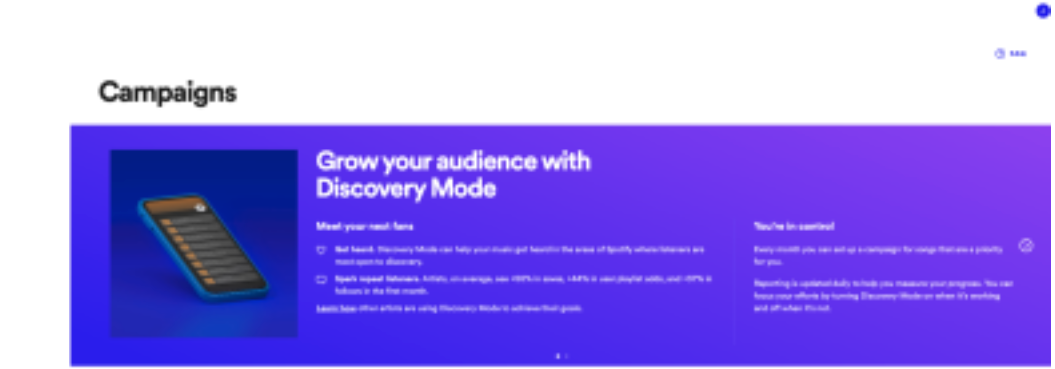
  • Discovery Mode 

Spotify has recently brought in a new system to support artists through Radio algorithms, and autoplay algorithms. You can access discovery mode once you have reached the threshold of either 1,000 Followers, or if you are receiving 25,000 organic streams monthly. This will automatically work the algorithm harder to reach new listeners across similar listeners, but much further.

5. Further Algorithmic systems used by Spotify

Spotify also uses artificial intelligence to configure the world of new sub-genres, as well as locational based traction. These playlists are known for automatically adding songs literally based on the sound and the data inputted upon release.

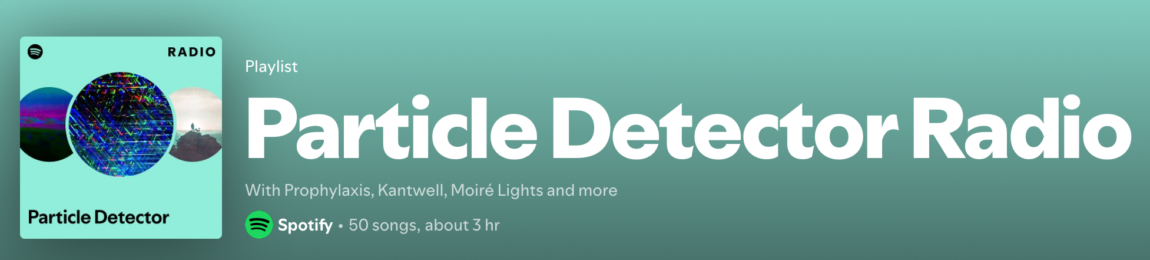
The Particle Detector is an AI built by Spotify to determine sub-genres of a track by 3 different categories (The Edge of, The Pulse of, and The Sound of). These playlists are triggered when a song is receiving good organic traction.

  • ‘The Edge Of’ 

The Edge Of Vapor Soul 

The Edge of is a playlist that automatically add songs that are not the direct genre, but have elements of the genre.

  • ‘The Pulse Of’ 

The Pulse Of Vapor Soul 

The Pulse of is a playlist that automatically adds songs that are closer to the mark of the genre. If your track is placed high in the edge of playlist, you will receive a further placement in the pulse of

  • ‘The Sound Of’ 

The Sound Of Vapor Soul 

The Sound of is a playlist that automatically adds songs that are closer considered to fit fully into a genre/sub genre. If your track is placed high in the Pulse of playlist, you will receive a further placement in the Sound of.

6. Spotify – Discovery Mode 

Algorithmic internal curators can also stretch as far as country traction/specific locations, and even different universities listening habits.

  • The Sound Of Spotify (Cities) 

These playlists are auto-created based on meta-data, and making sure it aligns across your distributor & Spotify for artists pitch. If you have a good local listenership, it is likely you will get onto these playlists quickly. Here is an example:

House Concert: Bath GB 

  • The Sound Of Spotify Schools 

These playlists are auto-generated by Spotify based on listening habits coming from specific Universities/Colleges worldwide, here is an example:

The Sound Of Santa Clara University 

  • Spotify – Discovery Mode

Discovery Mode is a tool built by Spotify to help artists reach new heights on the radio, and autoplay features provided for listeners. This is basically Spotify pushing your song into further listeners radio algorithms, as well as prioritising your songs on ‘Autoplay’ for listeners that listen to similar artists too. Each month that you run.

Discovery Mode, the more it will learn what works best for your music and create stronger success. Once you have reached a specific threshold of a minimum of either 10,000 monthly streams / 5,000 Monthly listeners or 1,000 followers. It is likely you will already have both the streams and monthly listener targets reached after/during a good campaign. This can help Discovery Mode trigger for the month after.

Please note: Discovery mode is not available/not usable to a small number of distributors as of yet. More information on discovery Mode here.

How to Promote Your Music in 2025: Trends, Tech, and Tactics

Man producing music, sitting in front of a computer monitor and laptop.

Forget everything you thought you knew about how to promote your music. Anything that worked before is old news. It’s 2025 now, people. 2024 is a distant memory.

Alright, maybe that’s a bit dramatic. But with new technologies seemingly emerging every week, it’s important as a musician to keep track of trends in the industry to ensure that your music gets the reach it deserves. Here are five advancements in the industry to consider in 2025.

AI-Generated Music

Robot hands playing a keyboard against a blue background, with various wires and mechanical parts visible, suggesting a futuristic mood.

Let’s get the controversial one out of the way first, shall we? Love it or hate it, AI music is here to stay. Sure, platforms are taking action to flag AI-generated content, but it looks as though AI is going to be a huge part of creators’ lives from now on. In fact, 36.8% of music producers already use AI as a part of their creative workflow.

Whether you choose to use it or not, it’s important to consider how it’s going to change music creation. We’re not going to give you a lecture on the morals of using AI, so whether or not you take note of this first topic is totally up to you.

One thing to take note of is just how easy it is to create music with AI. After a click of a button, you’ve pretty much got yourself a full track ready to be released on Spotify. However, because of this simplicity, it can often make the art seem “tacky” if the listener notices it. No one wants to listen to a piece of music if they know that all the creator did was click a button that said “generate song”.

So, if you are to use it, try to think of AI as just another tool to aid in your creative process. Use it to help your workflow, but ensure you still have some creativity. For example, use this AI to give you a decent synth sound, but write the music yourself.

Using AI to create album/single artwork is already prevalent, but be aware of the controversies (again, we are not here to lecture you. Make up your own mind!)

The unfortunate truth is that designers are expensive. If you can afford a graphic designer to help you with designs, the results are probably going to be much better than AI-generated artwork. But for artists with minimal funds looking for other options outside of AI, there are other free methods you can use. Here are two examples:

Create your own art

With some very basic Photoshop or Canva skills, you can make your own artwork. One way of making unique imagery is by using some free-to-use pieces, such as from the National Gallery of Art. Try downloading a few different pieces and make a collage. Mix it up by adding a few of your own photos to create something eye-catching and unique.

Photography

Maybe an obvious one, but taking your own pictures for album artwork is the easiest way to add a personal touch to your images. Really take some time to explore your local town and take as many pictures as possible to improve your chances of getting a great shot. Try getting creative and consider abstract images such as graffiti or peeling paint.

Spotify Wrapped for Artists 
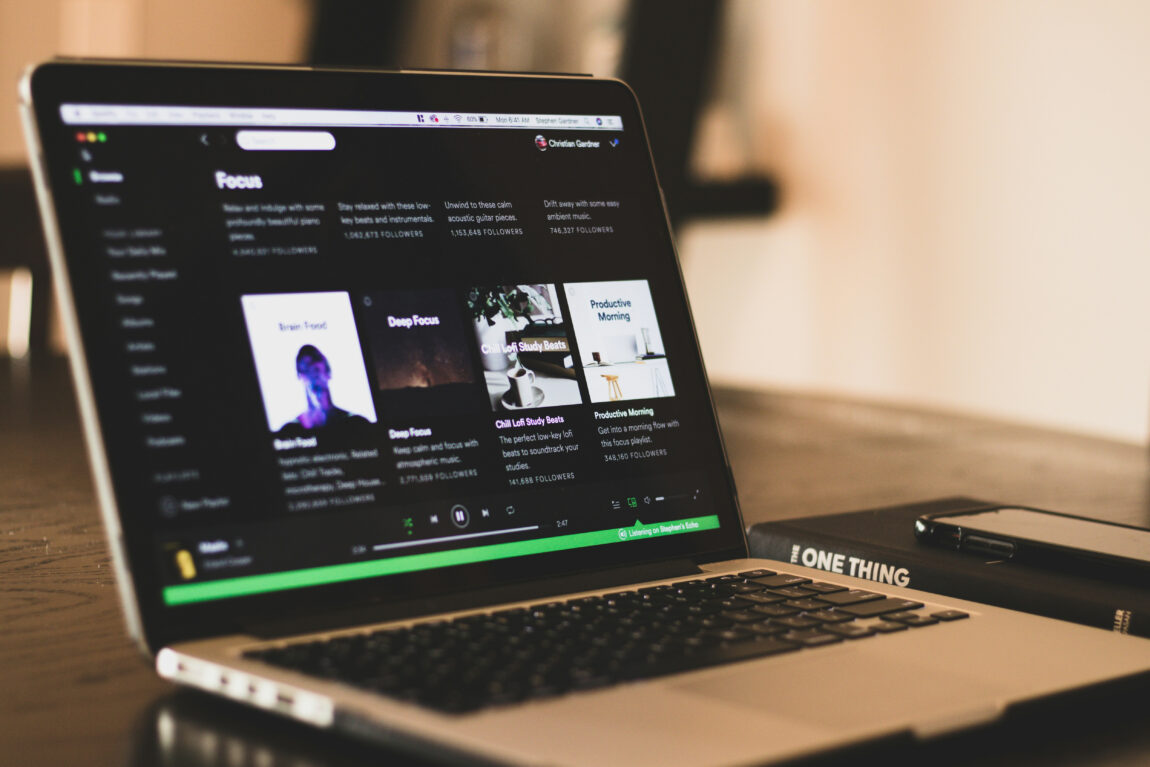
Laptop displaying Spotify's

2024’s Spotify Wrapped has only just been released, so why are we already thinking about 2025?

Well, it’s becoming a huge deal around the world, and artists need to start taking it seriously. People love bragging about the music they’ve been listening to. Spotify Wrapped for Artists gives you an easy way to deeply connect to your most loyal fans. It’s huge now, and, with a 40% increase in engagement Spotify Wrapped content in 2023 compared to 2022, it’s only going to get bigger. So, get ahead of the game and start planning what you’ll do for it next year.

A few ideas you could consider:

Your year in review

Record a video every month and create a collage to share with your fans at the end of the year. This not only showcases your growth and achievements but also creates a shared sense of nostalgia and community. Your fans will feel like they’ve been part of your journey every step of the way, deepening their connection to you and your music.

Add captions, dates, or short messages to each clip to make it even more engaging. Pair the montage with one of your tracks to personalise it further, creating a heartfelt keepsake for your fan base to enjoy.

Competition

Turn your Spotify Wrapped into an exciting opportunity for fan engagement by running a competition. Reward your top listener of the year with something special, such as free tickets to one of your gigs, exclusive merchandise, or even a private virtual meet-and-greet.

This strategy not only encourages your fans to stream your music more frequently but also adds a sense of fun and exclusivity to their support. By offering a reward, you’re giving back to the people who contribute most to your success while boosting your streaming numbers.

Take inspiration from James Blunt. He offered to legally change his name if the 20th Anniversary Edition of his classic album “Back to Bedlam” made it to number one. Obviously, we are not suggesting doing anything as drastic as changing your name, but think of an equally hilarious reward that gets people to stream your music. If this works for album sales, why not for Spotify streams?

Be sure to announce the competition early in the year and remind fans periodically to keep the momentum going. Use social media, email newsletters, and even live streams to update and motivate your audience to participate.

VR and AR for Live Shows and Music Videos
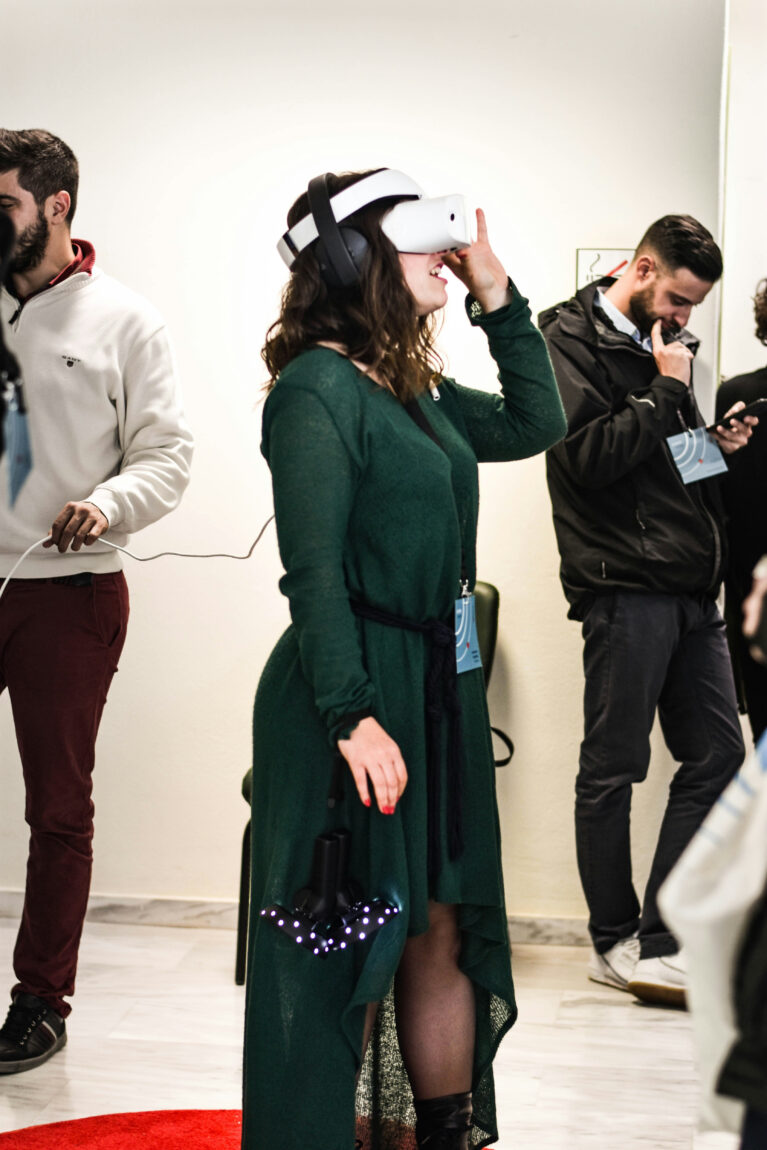
Woman in a green dress using a VR headset; background shows two men with phones. Bright indoor setting, tech event vibe.

Virtual Reality (VR) and Augmented Reality (AR) technology is wild, yet many musicians have yet to embrace its full potential. These cutting-edge tools offer endless opportunities to elevate music videos and live performances, turning them into unforgettable experiences.

While VR offers opportunities for music videos and interactive content, AR opens up possibilities for live shows. Imagine a band performing on stage while a herd of majestic elephants stampedes through the crowd. This idea might sound a bit OTT (okay, reading back, it definitely does), but remember, this will only appear on an audience member’s smartphone while they are recording and only if they decide to use the VR software.

Maybe a herd of elephants is a bit much, but there is definite potential for something incredible here. The key is to strike a balance between innovation and restraint. Overloading a performance with effects might overshadow the music itself, but when used thoughtfully, VR and AR can amplify a band’s artistic vision and create moments audiences will share on social media.

Short-Form Content on Streaming Platforms
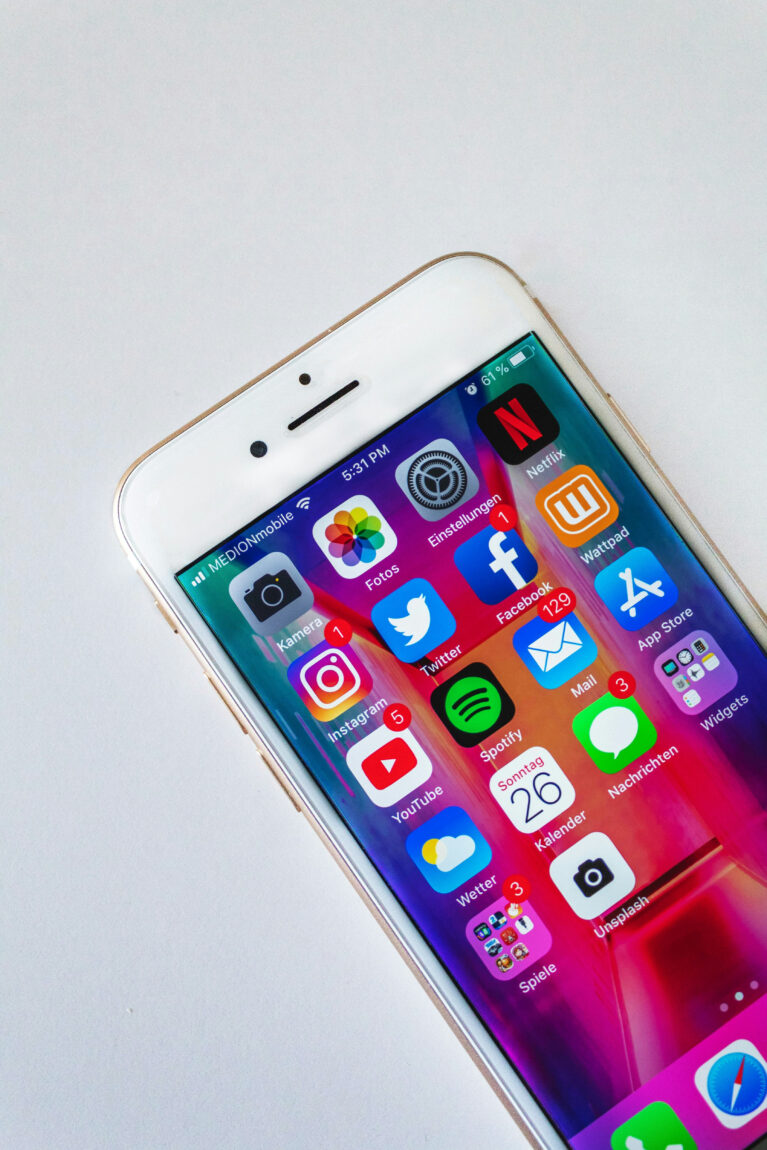
Smartphone displaying colorful social media apps and notifications on a vibrant, gradient background. Time shows 5:31 PM.

Short-form content is dominating the music world, and ignoring it means missing out on a massive opportunity to grow your fan base. While it might feel disheartening for serious artists to create light-hearted or “silly” videos, these bite-sized clips are now crucial for reaching new audiences and keeping fans engaged.

Platforms like Spotify are beginning to embrace short-form video clips as a way for artists to connect with listeners on a personal level. Spotify “Clips” can complement your long-form content by offering glimpses into your creative process, teasing upcoming releases, or simply showcasing your personality.

Clips are great because you can tag the album or single that’s associated with it so that viewers have a direct link to stream your song.

YouTube Shorts, too, has become a game-changer for artists, combining the power of viral video trends with the discoverability of the world’s biggest video platform. Whether you’re experimenting with song previews, behind-the-scenes footage, or even fun challenges, short-form content has the potential to draw in millions of viewers and funnel them to your music.

Fans crave connection, and short-form content is an easy yet effective way to share your artistry while building a loyal community.

Physical Releases
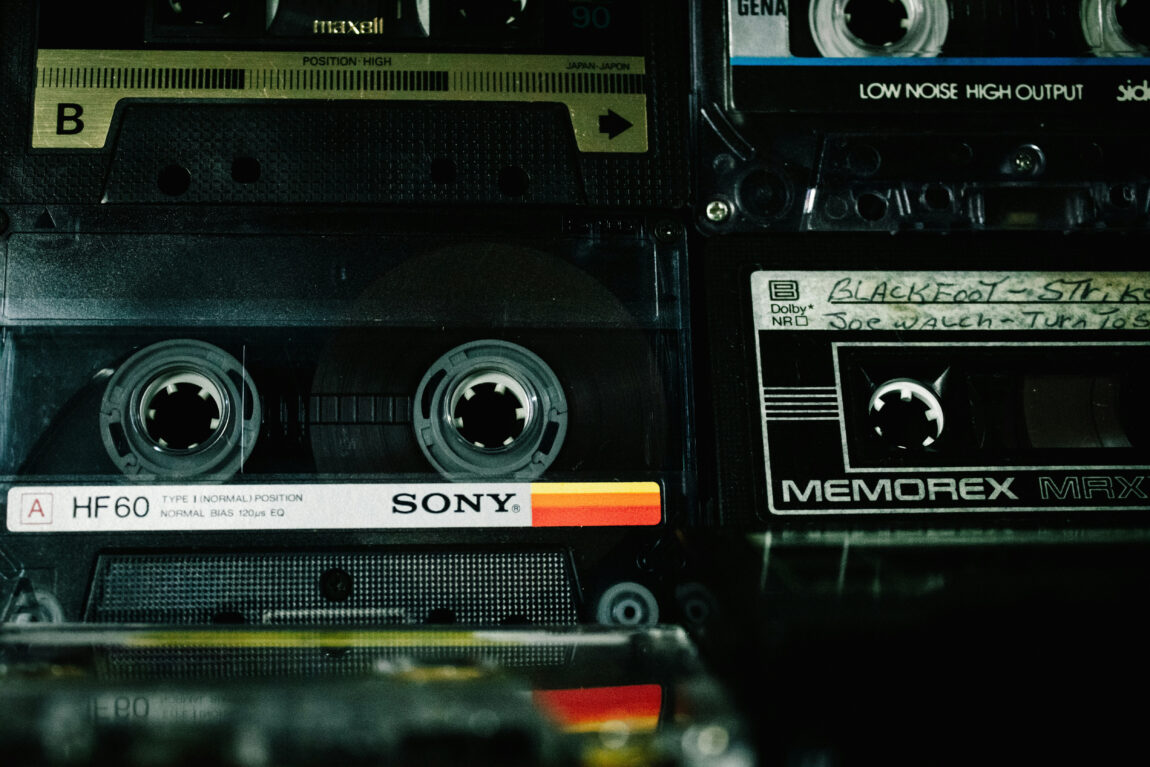
Close-up of stacked vintage cassette tapes with visible brands like Sony and Memorex. Labels show handwritten text, creating a nostalgic mood.

Everyone knows that physical album releases are a thing of the past, right?

Well, that’s not actually true. Though streaming is hugely important for a band’s career, selling merch is money directly in your bank. We’ve all heard about the vinyl comeback, and it still is a huge deal with vinyl sales dominating CD sales in 2022, but it looks like tape is the new (old?) kid on the block as cassette sales have reached their highest level in 20 years.

It is important to understand the reason people are buying these things. If your music is available on Spotify for free, people are probably not buying cassette tapes to listen to your music (or, if they are, they’re not listening to it exclusively on tape). Instead, they are buying it as merch; something to hold and show off, perhaps share to their social media. Therefore, spend time making it worth the money. Create amazing artwork, consider the box it comes in and offer freebies to anyone buying it so they are more inclined to post on their social media about it.

Music promotion in 2025 will require a great deal of hard work, patience, and savvy. By adapting to these advancements, artists can ensure they remain relevant and successful in an ever-changing music ecosystem, all while staying true to their creativity and vision. The future is wide open. How you navigate it will define your success.

Want to take your music promotion in 2025 even further? Get in touch to find out how we can help promote your music through press campaigns, playlisting, marketing and radio plugging.


The Power of Music Press Coverage: Why It Still Matters in the Streaming Era

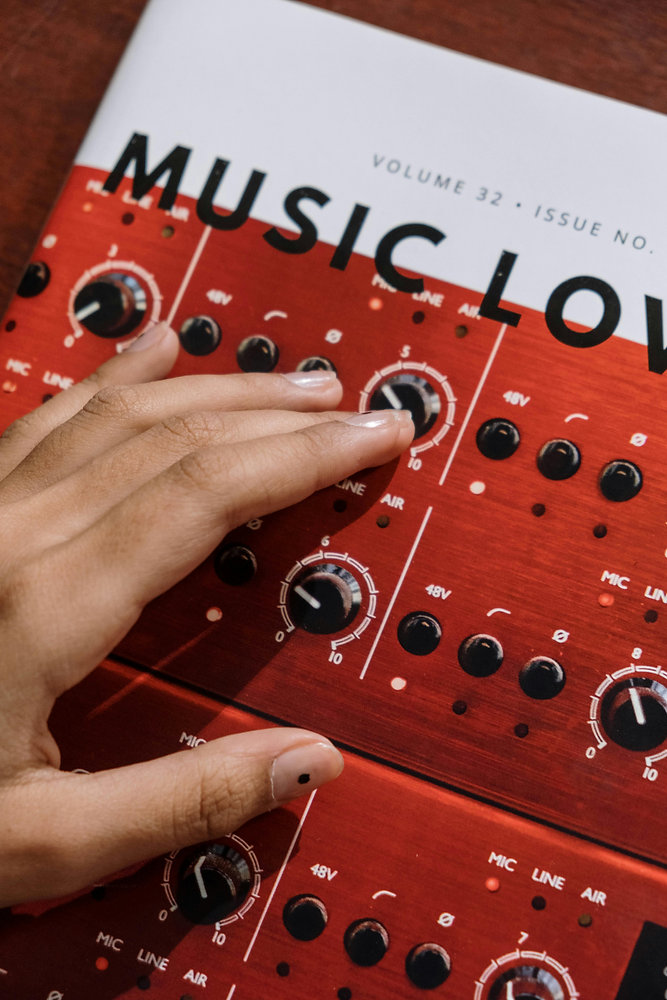
Hand touching magazine. Text reads

According to Music Radar, more music is being released today (in a single day) than was released in the calendar year of 1989. Thanks to advancements in technology, releasing music has never been easier. Uploading to streaming platforms is now quicker, more affordable, and often more impactful than physical releases.

Because of this, it’s easy to assume that traditional press coverage has taken a backseat in the music industry. After all, why focus on securing a magazine feature when a single playlist placement could generate hundreds of thousands of streams? The truth is, press coverage remains a vital component of any successful music PR strategy. Here’s why it still matters – perhaps now more than ever.

Building Credibility in a Saturated Market

The music industry has never been more crowded, and it’s becoming increasingly difficult to stand out from the crowd as a musician. Press coverage in respected outlets offers a badge of credibility that algorithms simply can’t provide. Whether it’s a glowing album review in NME or a feature in a niche blog, being spotlighted by a trusted publication signals to fans, industry professionals, and potential collaborators that you’re worth paying attention to.

Reaching New Audiences Beyond Algorithms

While editorial playlists on streaming platforms and promotion on social media are essential for an artist trying to reach listeners, they often rely on an audience’s existing preferences. Press coverage, on the other hand, introduces artists to entirely new groups of people. For instance, a feature in a magazine could capture the interest of readers who may not actively browse Spotify’s “Discover Weekly.” By breaking out of the algorithm bubble, press coverage helps artists connect with diverse and untapped audiences.

Shaping Your Narrative

One of the biggest advantages of press coverage is the opportunity to tell your story. In an interview or feature, you’re not just another name in a playlist – you’re a person with a unique journey, message, and vision. This narrative builds emotional connections with your audience, turning casual listeners into loyal fans. Press outlets excel at crafting compelling stories that resonate, offering depth that social media captions or playlist blurbs often can’t.

Enhancing Your Online Presence

Press coverage doesn’t just live in print or on a blog; it contributes significantly to your digital footprint. When potential fans, booking agents, or festival organisers search for your name online, seeing credible press articles in the search results enhances your professional image. Furthermore, links from high-quality press websites can boost your SEO (Search Engine Optimisation), making it easier for people to discover you organically.

Supporting Long-Term Career Growth

While viral moments are fleeting, press coverage provides lasting benefits. An insightful interview or thoughtful review can remain relevant long after its initial publication, serving as a valuable asset in your portfolio. It’s the kind of content that you can reference in pitch emails, showcase on your website, or use to build your Electronic Press Kit (EPK). These assets demonstrate to industry stakeholders that your career is built on more than just one-off trends.

Complementing Digital Strategies

Press coverage isn’t a competitor to digital platforms; it’s a complement. A well-timed press campaign can amplify the impact of a playlist placement or social media push. For example, an interview discussing your new single could drive fans to stream it, while the streams generated on Spotify could, in turn, validate your worthiness for further media attention. When combined effectively, press and digital strategies create a powerful feedback loop that boosts visibility across all channels.

Adapting Music Press Coverage for the Streaming Era

Of course, press coverage itself has evolved. Traditional print magazines may no longer dominate, but online publications, blogs, and podcasts have stepped in to fill the void. These digital formats often reach highly engaged niche audiences, making them invaluable for targeted promotion. Additionally, many outlets now integrate multimedia elements like video interviews or exclusive performances, allowing artists to showcase their work in dynamic and engaging ways.

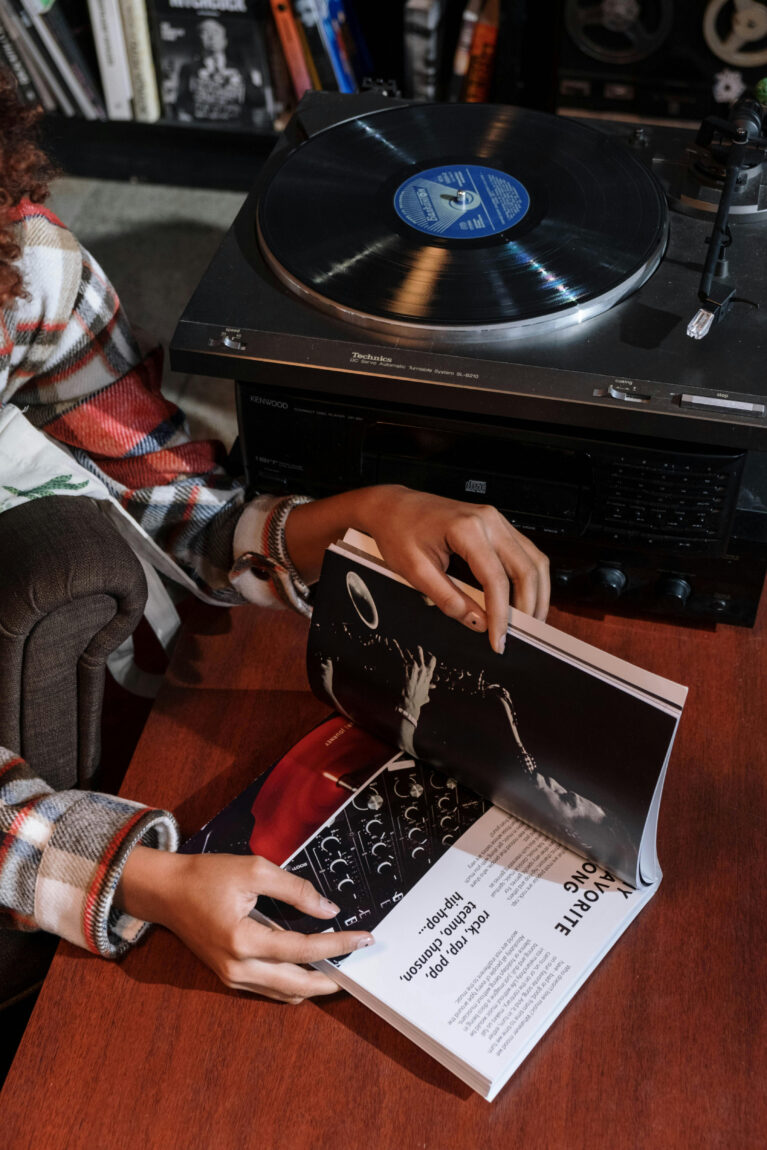
Person in plaid shirt flips pages of a magazine near a vintage record player. Books and albums visible in the background, cozy setting.

In the streaming era, press coverage remains an essential pillar of music promotion. It offers credibility, broadens your audience, and helps tell your unique story in ways that algorithms cannot. Far from being outdated, press coverage is evolving alongside the industry, offering new opportunities for artists to connect with their fans and grow their careers. When integrated into a comprehensive PR strategy, press coverage continues to prove its power in helping artists rise above the noise and leave a lasting impression.

Want to find out more about press coverage for artists? Click here to find out more about our services and read testimonials from our previous clients.