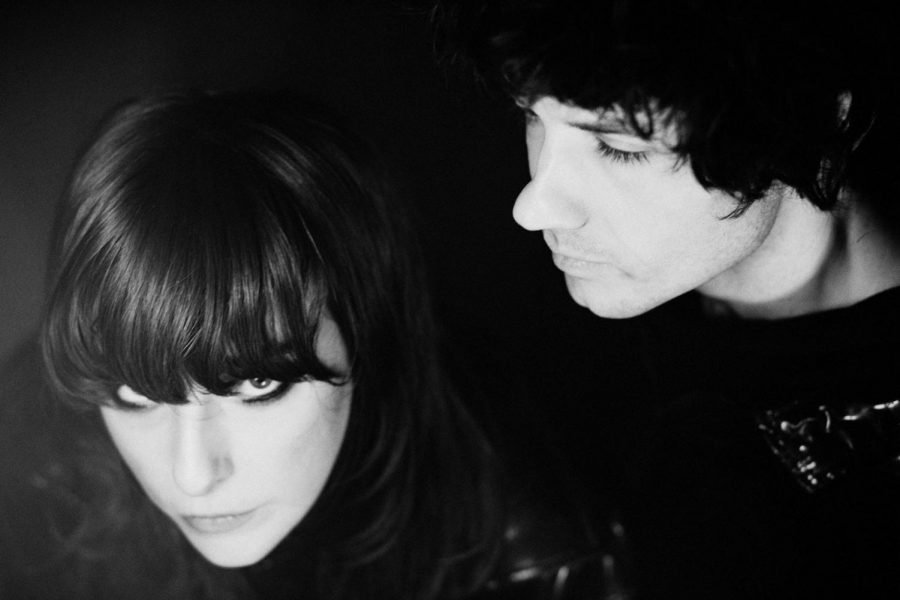
What is Dream Pop?

Otherworldly, melodic, enchanting. Dream pop takes alternative rock style and makes a sound entirely of its own. With heavy synths, layered vocals, and reverb guitar, the genre can only be described as atmospheric.
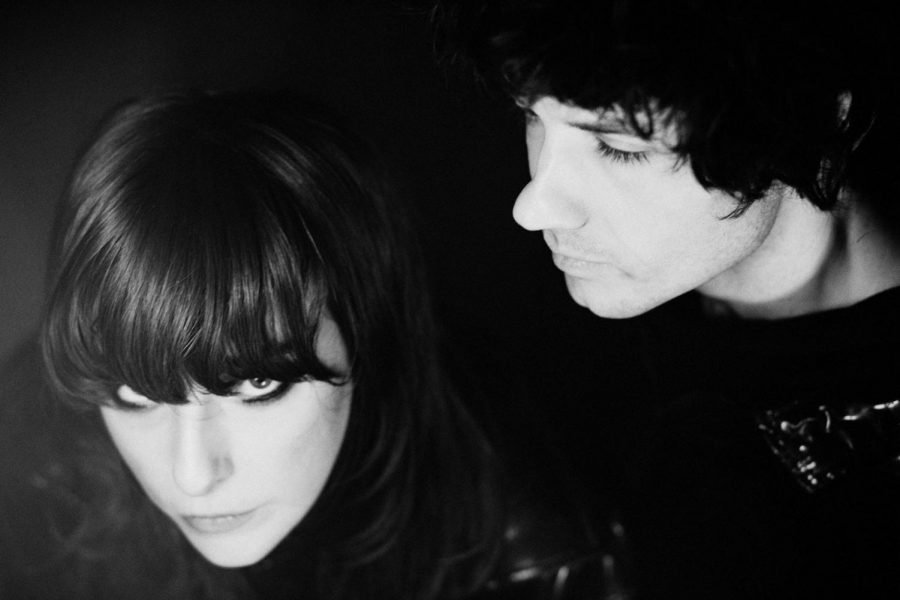
A Brief History of Dream Pop

Dream Pop began to take form in the late 80s as a subgenre of alternative music, with influences from the late 60s psychedelic rock scene. The work of artists such as Cocteau Twins and Slowdive later established dream pop as its own genre. Cocteau Twins’ Head Over Heels (1983) was an early album that predicted the band’s later dream pop commercial success.

Yet, the term “dream pop” was not coined until the late 80s by the duo A.R. Kane, who used it to describe their captivating music. Dream pop is just that: a captivating, full body immersion into the minds of the artists. By the 90s, the genre had cemented itself into the music scene through artists like My Bloody Valentine, Slowdive, and A.R. Kane.

Characteristics of Dream Pop

The production of dream pop centres around texture. Whether it’s the synths, breathy vocals, or reverb guitar, the whole concept of dream pop is right there in the name: dreamy. Much of the time, the production is dense and heavy, making it a bit difficult to make out what lyrics are being sung. Don’t let this fool you, as the lyrics aren’t something to overlook. They tie together with the production to create tracks you can simply doze, or dream, off too.

Dream Pop Artists to Know:

Cocteau Twins

If dream pop had a designated founder, it’d be Cocteau Twins. The Scottish rock band used fuzzy guitars, heavily-layered vocals, and sonic textures to curate their sound. Albums like Heaven or Las Vegas (1990) received commercial acclaim, influencing current dream pop artists.
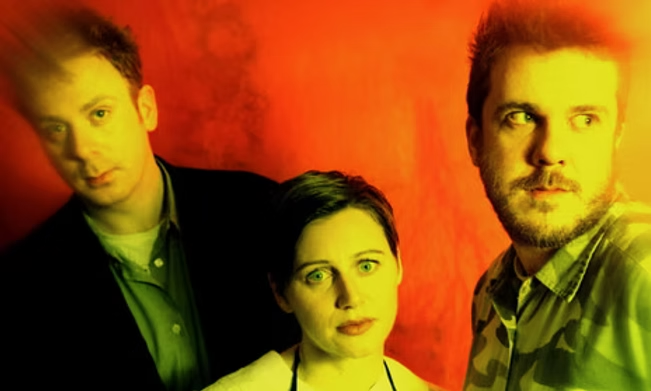
A.R. Kane

Formed by two childhood friends, this duo is credited for coining the term “Dream pop”, earning themselves a spot on the must-listen list. Never ones to let boundaries define them, A.R. Kane put their own spin on the dream pop sound through their trademark guitar noises. Check out their debut album Sixty Nine (1988).
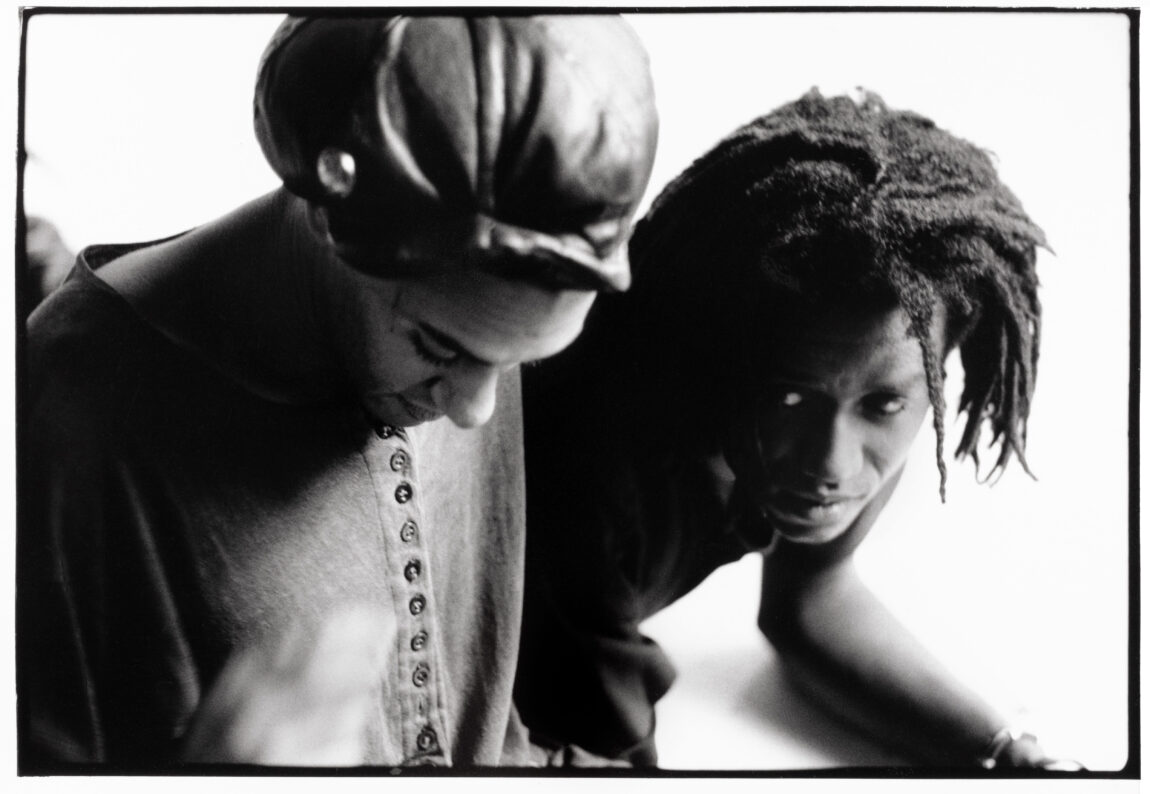
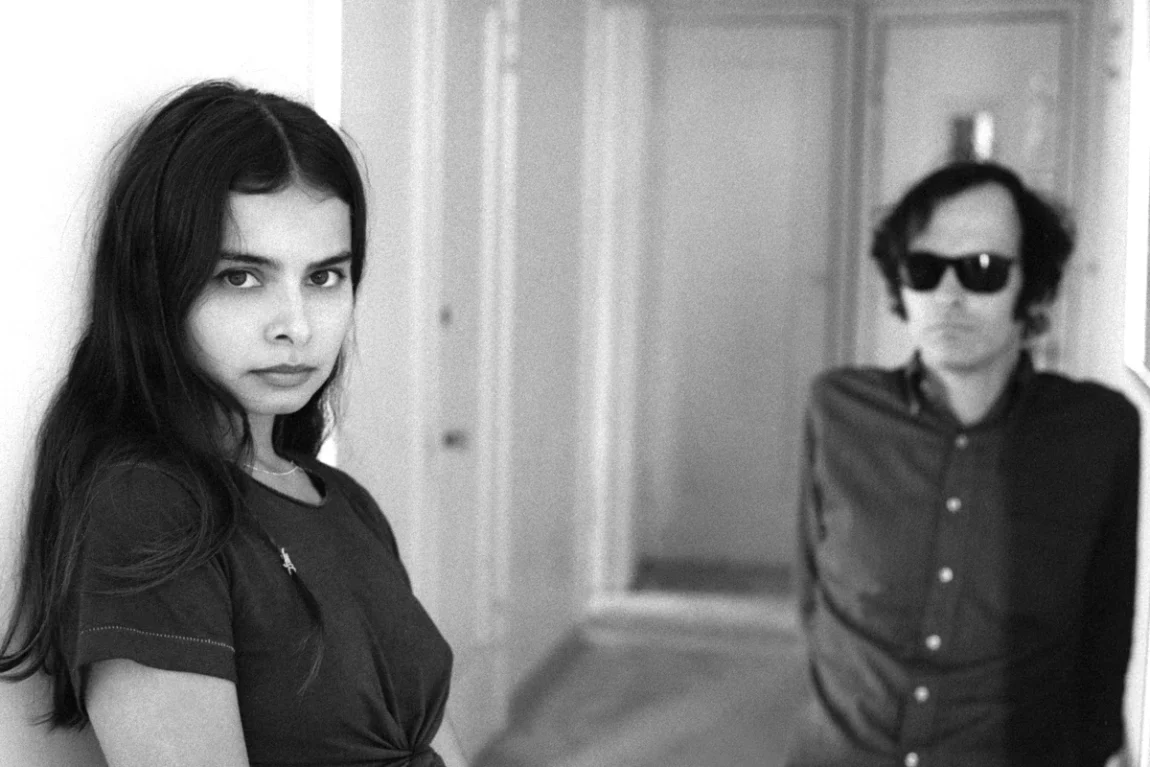
Mazzy Star

Formed in the late 80s out of Santa Monica, California, Mazzy Star is remembered as one of the most pivotal dream pop bands. Group vocalist Hope Sandoval hypnotized the world with her voice on tracks like Fade Into You (1993) and Be My Angel (1990). The band’s sound remains timeless, regaining popularity in Gen-Z in recent years.
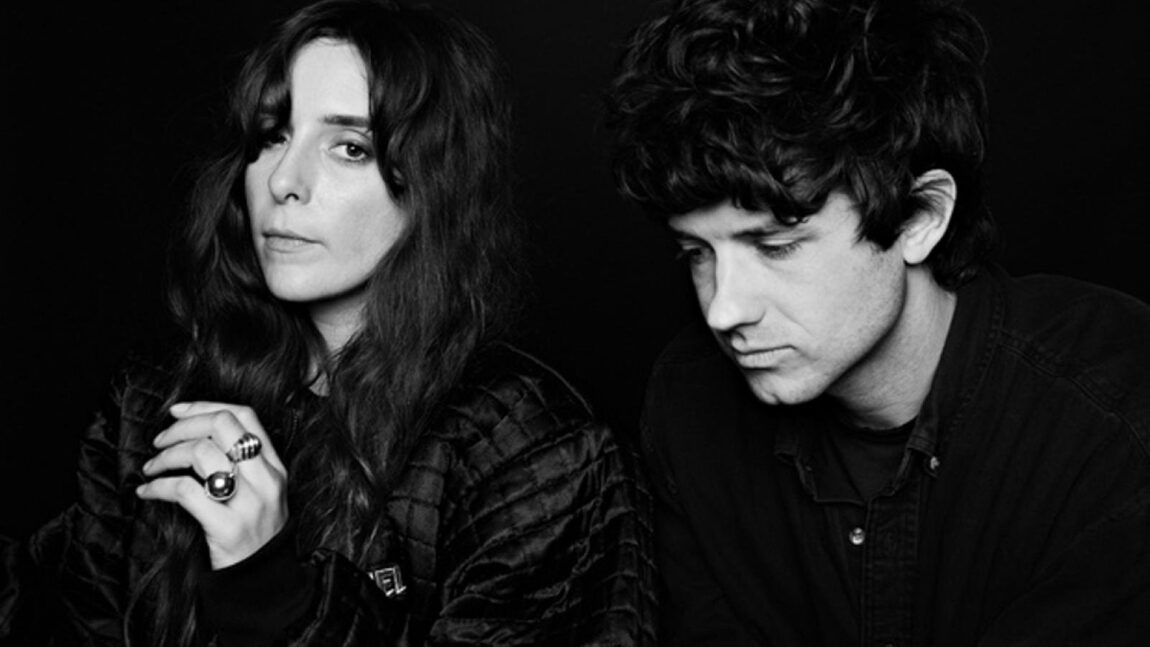
Beach House

An American-based dream pop band, Beach House continued the rise of dream pop in the 90s with their debut album Beach House (2006). Since then, the duo has gained commercial success through their album Bloom (2012) and Depression Cherry (2015).
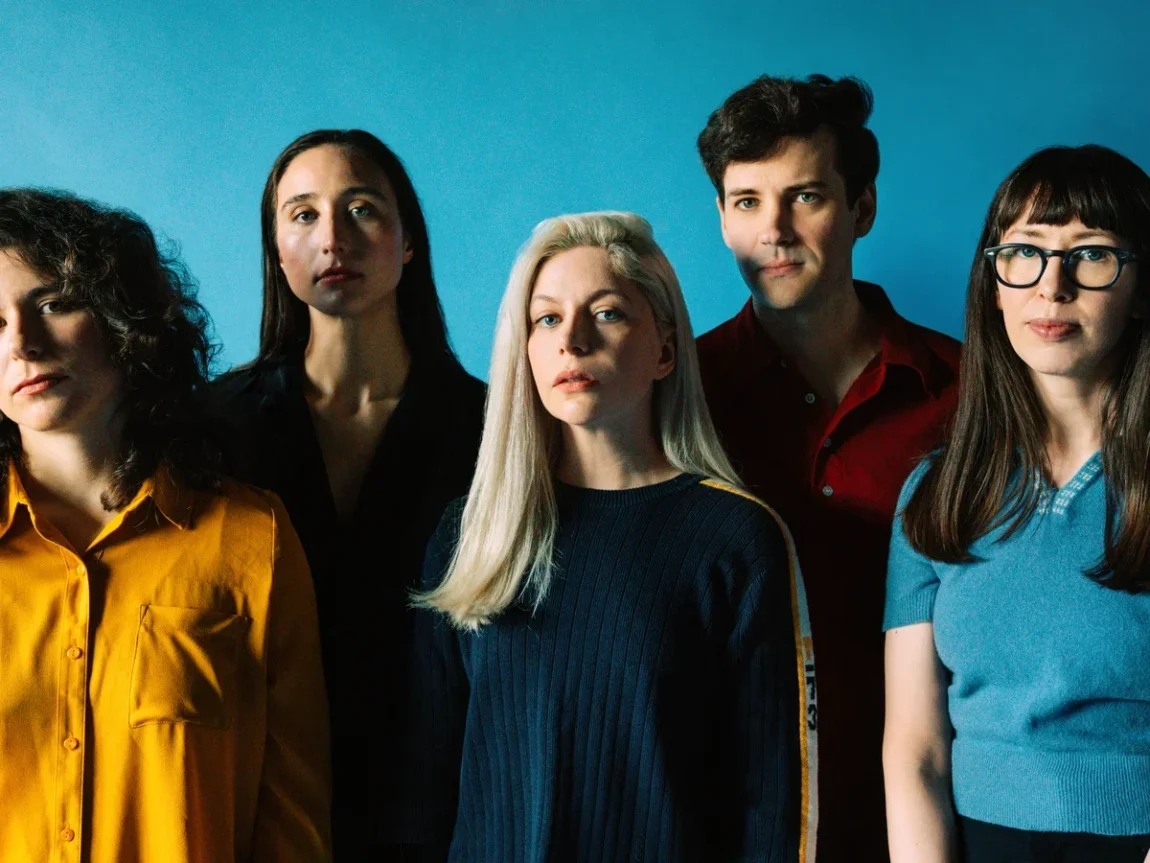
Alvvays

Formed in 2011, Alvvays gained critical acclaim for their three albums Alvvays (2014), Antisocialities (2017), and Blue Rev (2022), with the latter receiving a Grammy nomination for Best Alternative Music Performance at the 66th Annual GRAMMYs and a Juno Award for Alternative Album of the Year. The 4-piece band brings dream pop sounds to the indie/alternative genre.
For dream pop artists ready to promote an upcoming release, working with Decent Music provides the expertise and resources to build organic exposure and tangible value for independent artists.
What is Folktronica?

Folktronica is a unique genre that blends traditional folk elements with electronica elements, often including hints of hip-hop, dance, and pop. At its core, folktronica pushes the limits of genre-bending, incorporating futuristic production to the nostalgic roots of folk.

A Brief History of Folktronica:

The eccentric blend originated in the 90s, with the name “Folktronica” later coined by the British Press in 2001. British electronic duo Ultramarine are often credited for their folktronica origins for their 1991 album Every Man and Woman is a Star, where they fused traditional string sounds with upbeat rhythms.

By the early 2000s, artists such as Four Tet popularized the hybrid sound with the work on his album Pause (2001). Homefires Festival and The Green Man Festival are also credited for creating space for Folktronica on main stages, sharing the sounds of folktronica to the ears of thousands of music festival-goers.

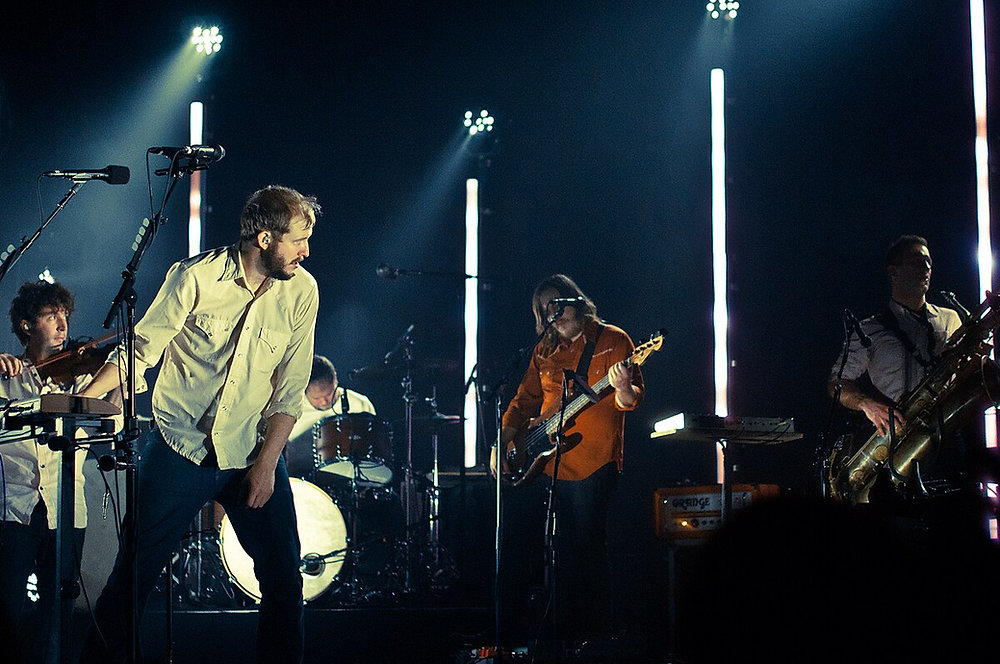
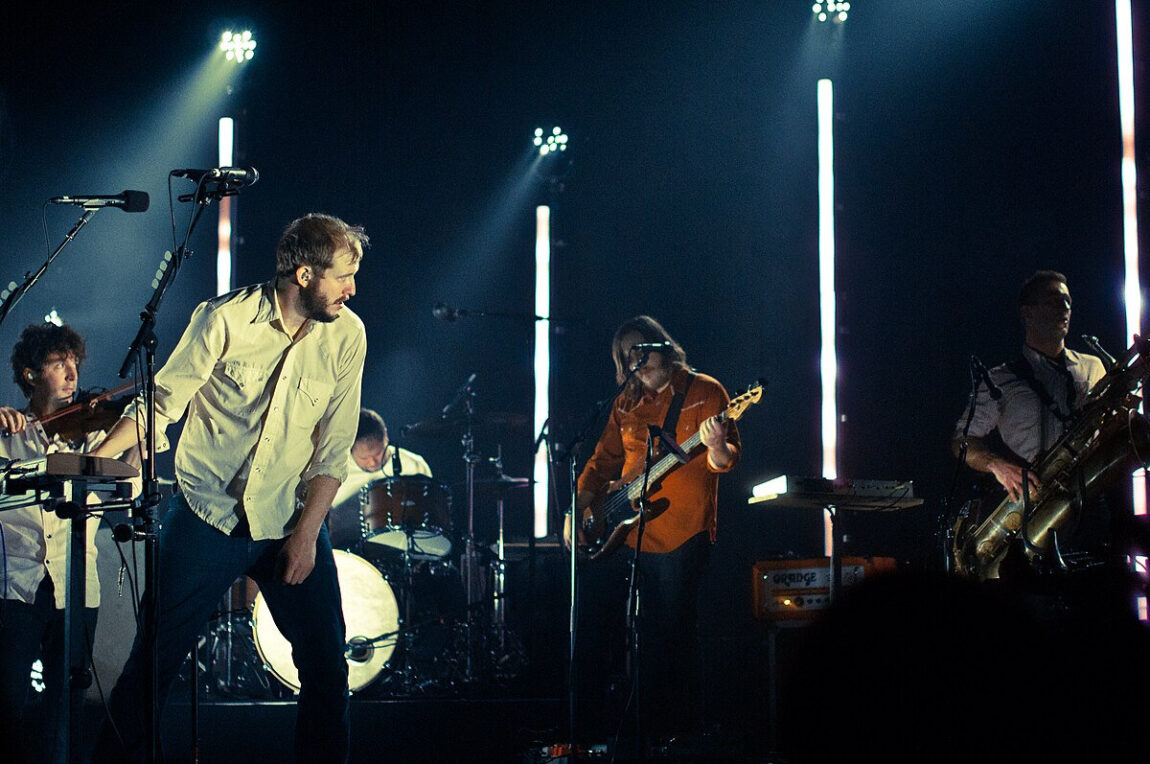
From then on, more artists from indie and post-rock scenes moved towards the folktronica sound, enjoying the opportunity for new creative expression. The genre’s evolution is heard through the experimental work of modern musicians like Bon Iver and Bjork.Bon Iver performs live under bright vertical lights in Stockholm.

Characteristics of Folktronica:

There are three main characteristics of Folktronica music: electric production, traditional folk instruments, and vocal effects. Prominent elements include synthesizers, drum machines, and dance beats. To contrast this upbeat production, traditional folk elements like guitars, banjos, and other strings are used for harmonic material. Some artists use vocal effects to mask their voices, while others stay closer to more traditional folk sounding vocals. Folktronica tracks also frequently incorporate machine-made sounds and digital beats, leaning into more futuristic, avant-garde production.

Folktronica Artists to Know:

There are many notable folktronica artists to dive into! Here is a quick list of recommended artists to test out folktronica with your own ears.

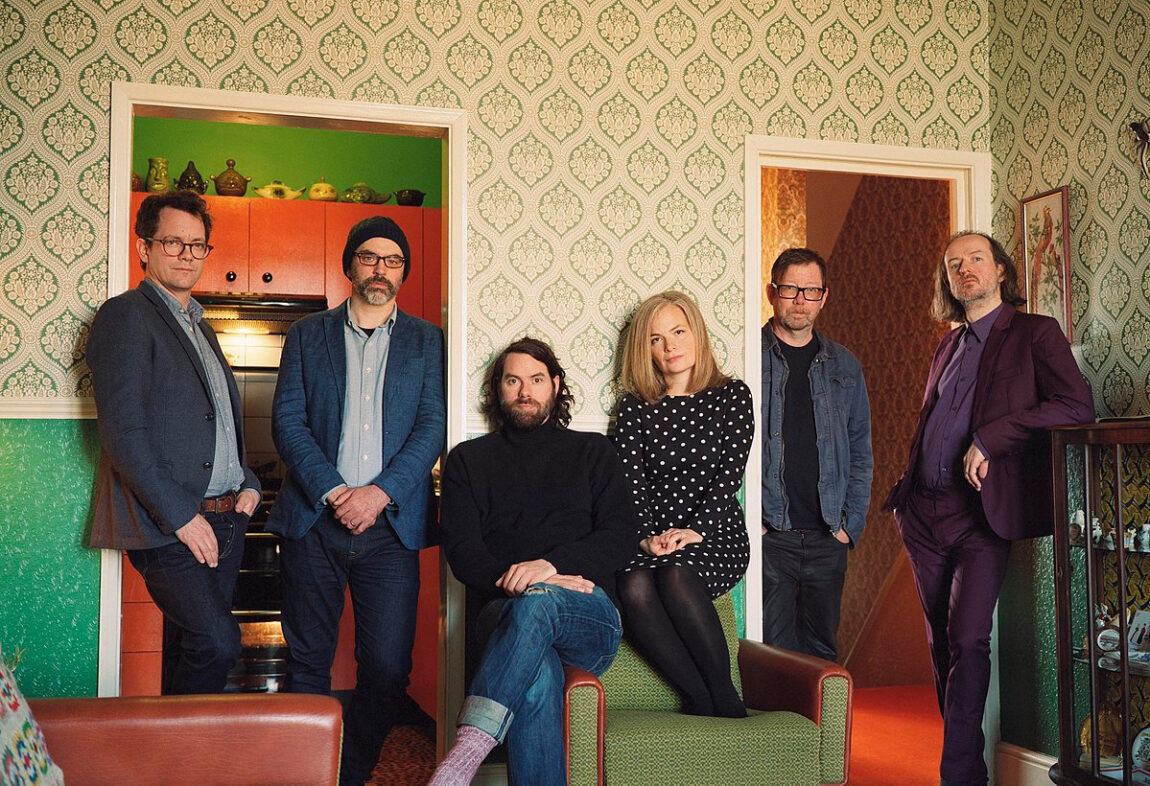
Tunng

Tunng explored and expanded the boundaries of folktronica. Their album Mother’s Daughter and Other Songs (2005) received acclaim for its innovative sound and inclusion of unconventional instruments.

Six members of the band Tunng, photographed in a living room.

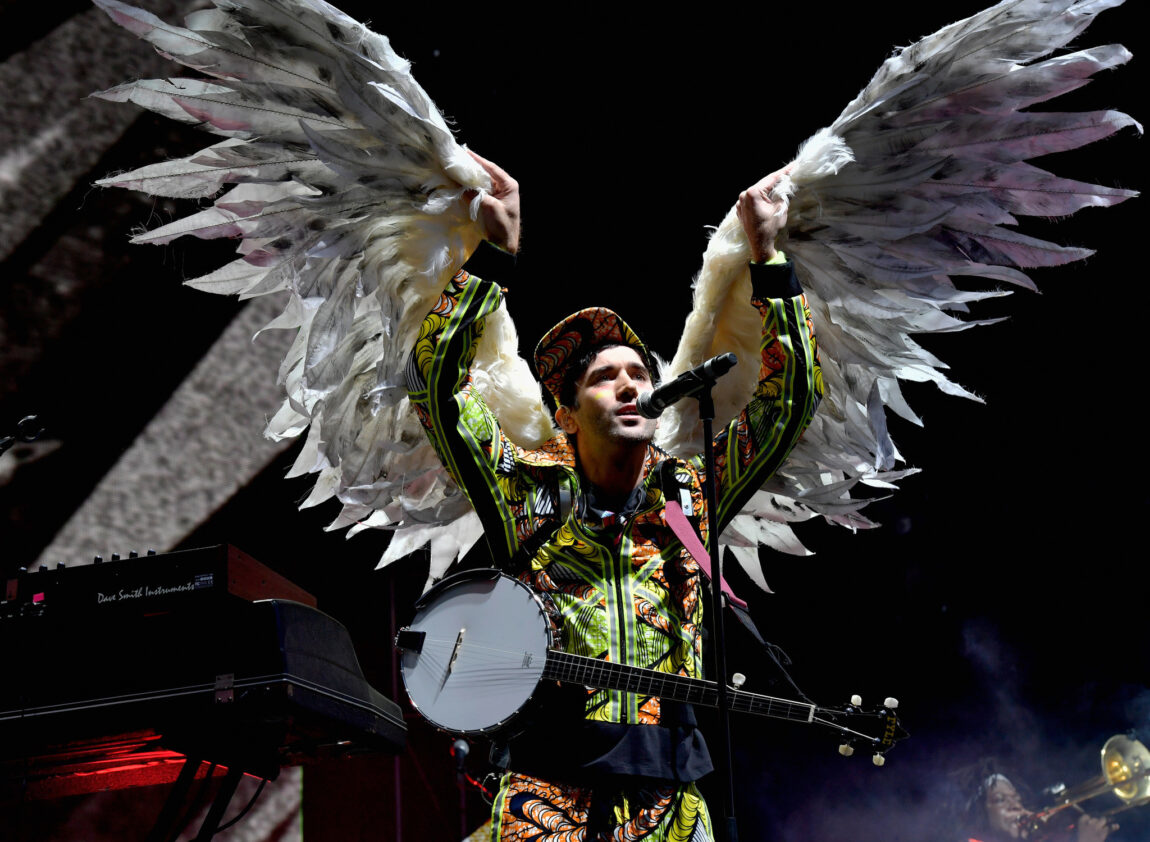
Sufjan Stevens

A critically acclaimed artist that leans into more than one genre, Sufjan Stevens includes folktronica elements in much of his work. Albums like Ascension (2020) exhibit his experimental work in blending acoustic and electronic elements.

Sufjan Stevens on stage wearing a tracksuit and angel wings. His arms are extended upwards as he sings.

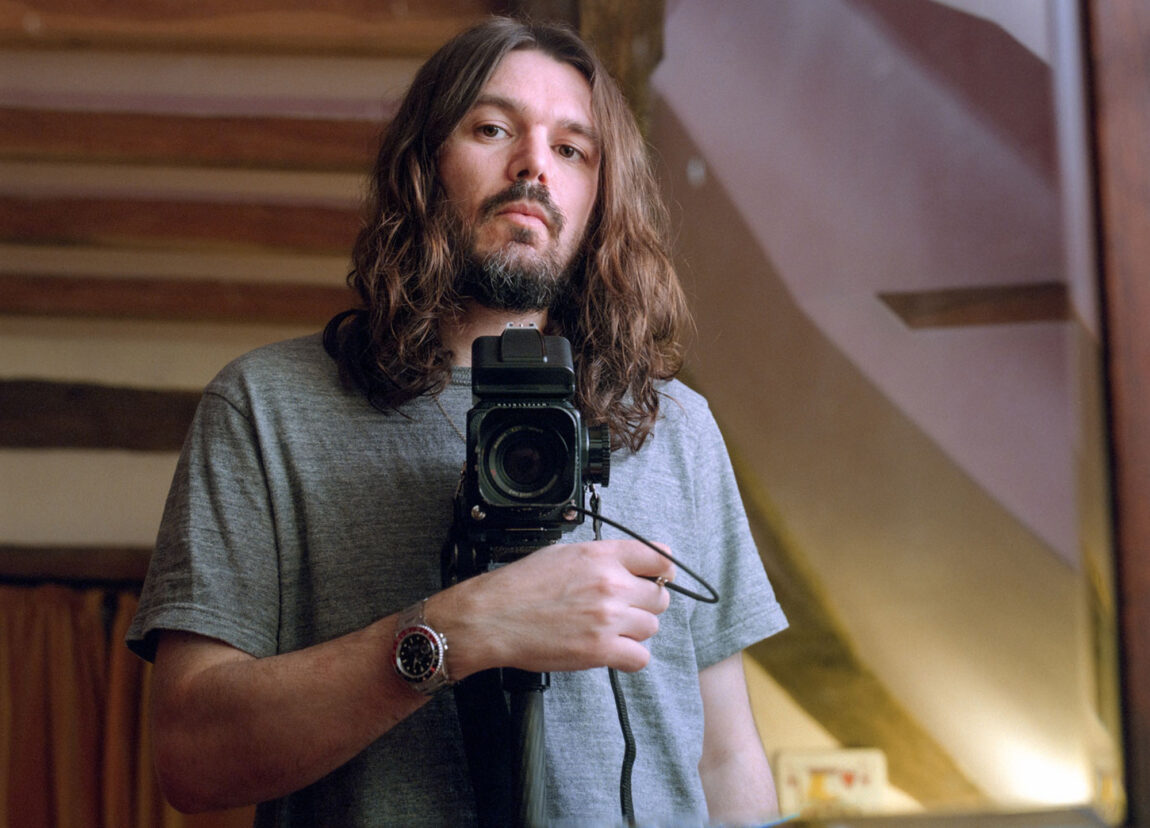
Bibio

Combining lo-fi, electronic, folk, and hip-hop, Bibio’s music is folktronica to its core. His album Ambivalence Avenue (2009) received rave reviews for its artistic choices, blending together heavy instrumentals, folky filters, and hip-hop beats.

Artist Bibio looking directly at the audience

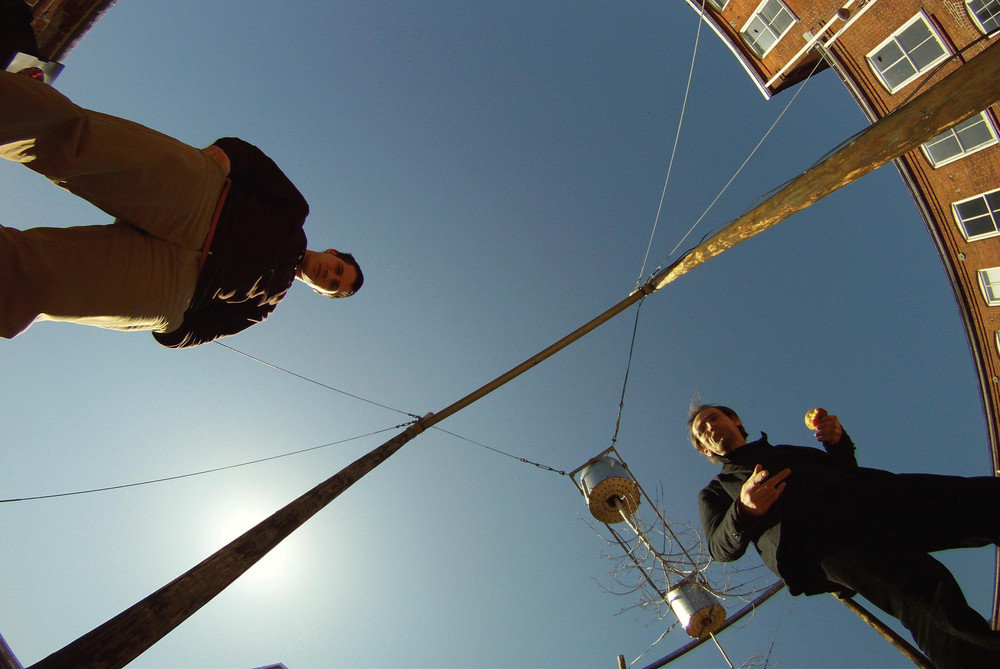
The Books

Formed in the late 90s, The Books began as an indie rock band. By combining guitars, sampled vocal fragments, and percussion instruments on albums like Thought for Food (2002), The Books curated a sound entirely their own — and as a result, paved the way for other folktronica artists to do the same.

Worm's eye view shot of the band The Books.

So, Why Folktronica?

The creative freedom of folktronica makes it a particularly fun genre to explore! As the digital age evolves, as does folktronica music, inviting and challenging listeners to think of folk in a reconstructed light.

For folktronica artists ready to promote an upcoming release, working with Decent Music provides the expertise and resources to build organic exposure and tangible value for independent artists.