How to Promote Your Music in 2025: Trends, Tech, and Tactics

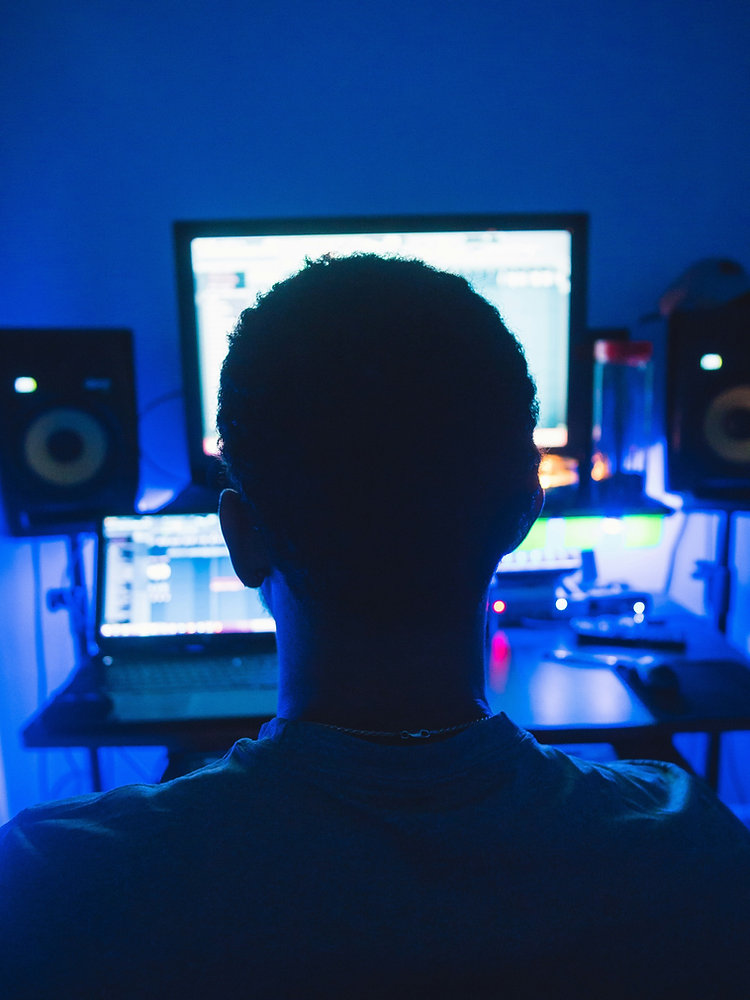
Man producing music, sitting in front of a computer monitor and laptop.

Forget everything you thought you knew about how to promote your music. Anything that worked before is old news. It’s 2025 now, people. 2024 is a distant memory.

Alright, maybe that’s a bit dramatic. But with new technologies seemingly emerging every week, it’s important as a musician to keep track of trends in the industry to ensure that your music gets the reach it deserves. Here are five advancements in the industry to consider in 2025.

AI-Generated Music
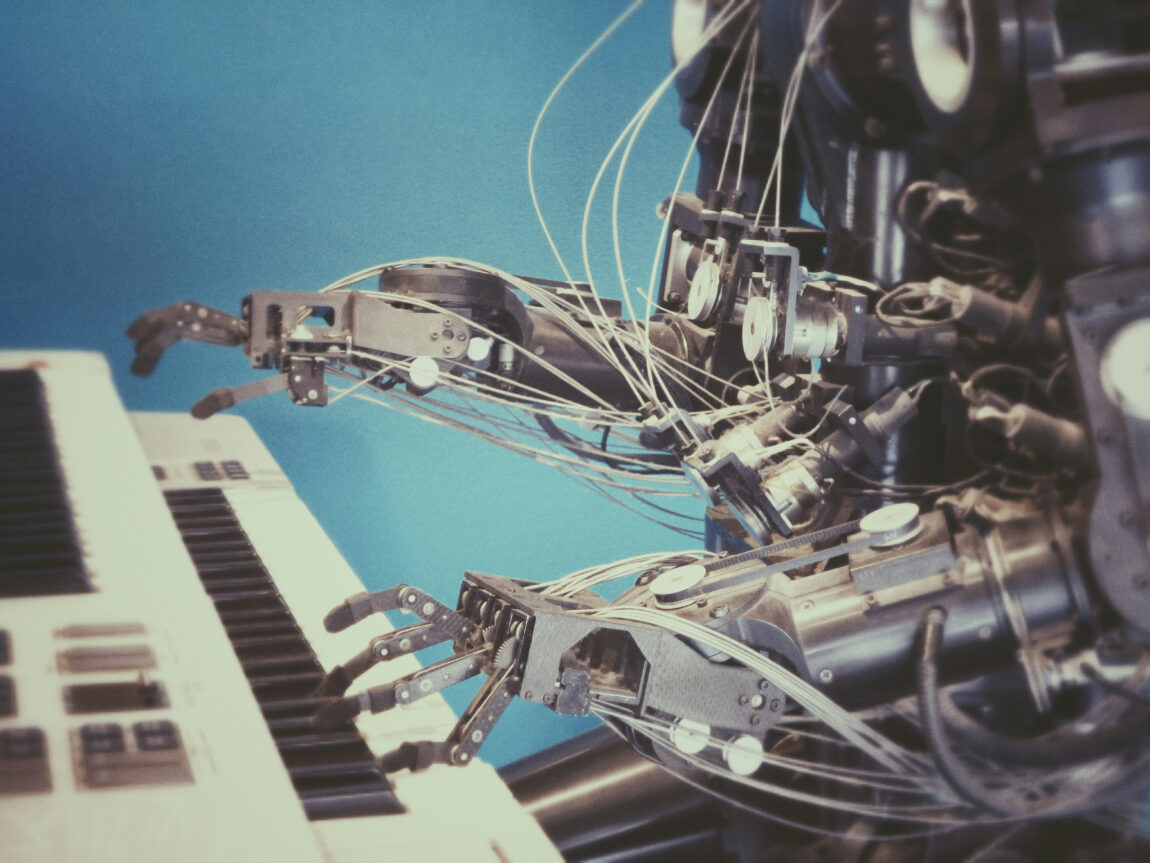
Robot hands playing a keyboard against a blue background, with various wires and mechanical parts visible, suggesting a futuristic mood.

Let’s get the controversial one out of the way first, shall we? Love it or hate it, AI music is here to stay. Sure, platforms are taking action to flag AI-generated content, but it looks as though AI is going to be a huge part of creators’ lives from now on. In fact, 36.8% of music producers already use AI as a part of their creative workflow.

Whether you choose to use it or not, it’s important to consider how it’s going to change music creation. We’re not going to give you a lecture on the morals of using AI, so whether or not you take note of this first topic is totally up to you.

One thing to take note of is just how easy it is to create music with AI. After a click of a button, you’ve pretty much got yourself a full track ready to be released on Spotify. However, because of this simplicity, it can often make the art seem “tacky” if the listener notices it. No one wants to listen to a piece of music if they know that all the creator did was click a button that said “generate song”.

So, if you are to use it, try to think of AI as just another tool to aid in your creative process. Use it to help your workflow, but ensure you still have some creativity. For example, use this AI to give you a decent synth sound, but write the music yourself.

Using AI to create album/single artwork is already prevalent, but be aware of the controversies (again, we are not here to lecture you. Make up your own mind!)

The unfortunate truth is that designers are expensive. If you can afford a graphic designer to help you with designs, the results are probably going to be much better than AI-generated artwork. But for artists with minimal funds looking for other options outside of AI, there are other free methods you can use. Here are two examples:

Create your own art

With some very basic Photoshop or Canva skills, you can make your own artwork. One way of making unique imagery is by using some free-to-use pieces, such as from the National Gallery of Art. Try downloading a few different pieces and make a collage. Mix it up by adding a few of your own photos to create something eye-catching and unique.

Photography

Maybe an obvious one, but taking your own pictures for album artwork is the easiest way to add a personal touch to your images. Really take some time to explore your local town and take as many pictures as possible to improve your chances of getting a great shot. Try getting creative and consider abstract images such as graffiti or peeling paint.

Spotify Wrapped for Artists 
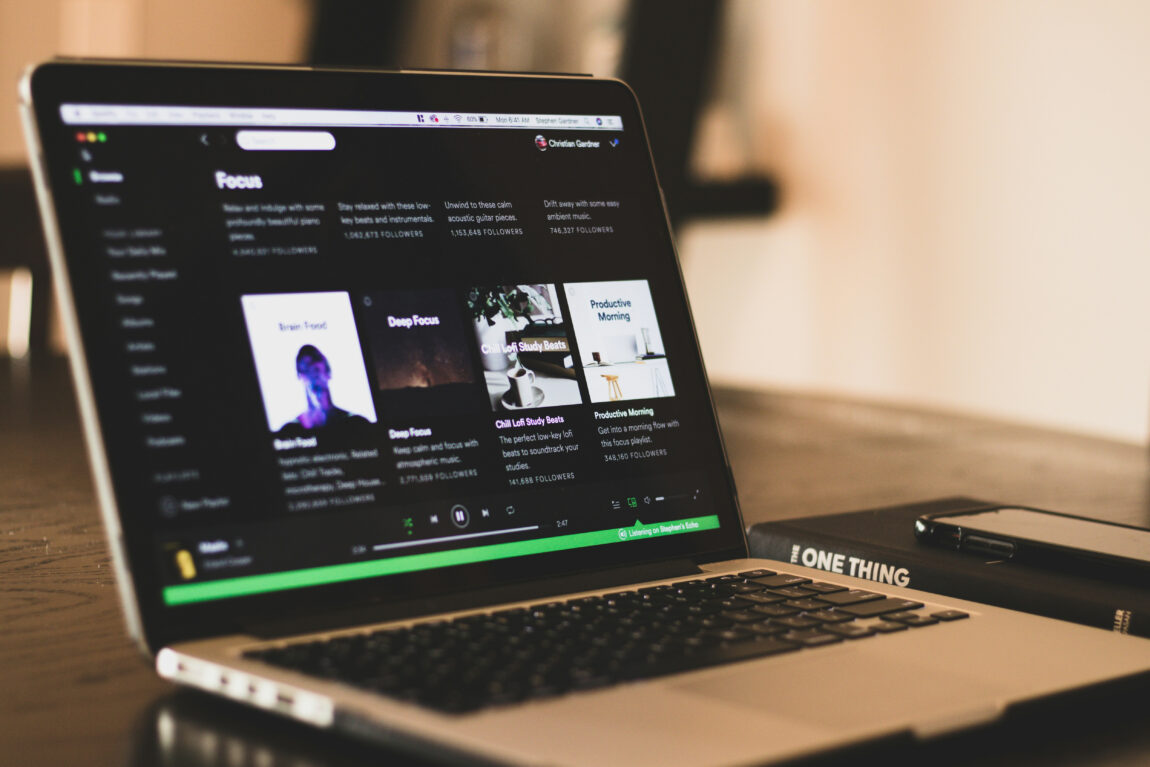
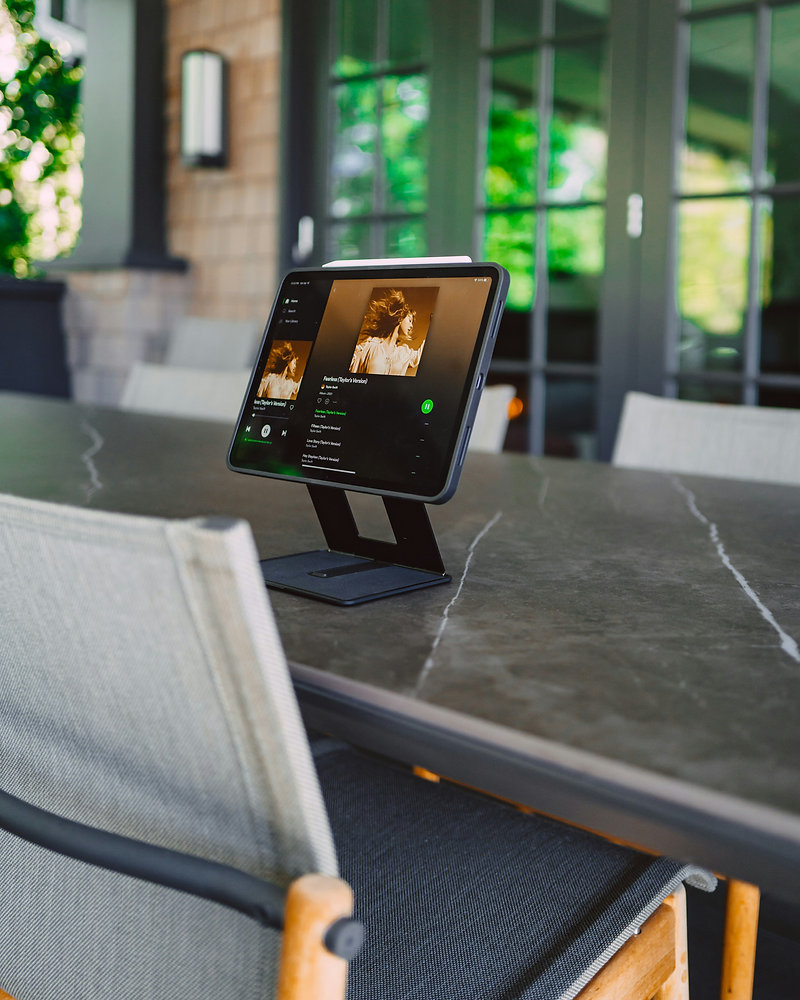
Laptop displaying Spotify's

2024’s Spotify Wrapped has only just been released, so why are we already thinking about 2025?

Well, it’s becoming a huge deal around the world, and artists need to start taking it seriously. People love bragging about the music they’ve been listening to. Spotify Wrapped for Artists gives you an easy way to deeply connect to your most loyal fans. It’s huge now, and, with a 40% increase in engagement Spotify Wrapped content in 2023 compared to 2022, it’s only going to get bigger. So, get ahead of the game and start planning what you’ll do for it next year.

A few ideas you could consider:

Your year in review

Record a video every month and create a collage to share with your fans at the end of the year. This not only showcases your growth and achievements but also creates a shared sense of nostalgia and community. Your fans will feel like they’ve been part of your journey every step of the way, deepening their connection to you and your music.

Add captions, dates, or short messages to each clip to make it even more engaging. Pair the montage with one of your tracks to personalise it further, creating a heartfelt keepsake for your fan base to enjoy.

Competition

Turn your Spotify Wrapped into an exciting opportunity for fan engagement by running a competition. Reward your top listener of the year with something special, such as free tickets to one of your gigs, exclusive merchandise, or even a private virtual meet-and-greet.

This strategy not only encourages your fans to stream your music more frequently but also adds a sense of fun and exclusivity to their support. By offering a reward, you’re giving back to the people who contribute most to your success while boosting your streaming numbers.

Take inspiration from James Blunt. He offered to legally change his name if the 20th Anniversary Edition of his classic album “Back to Bedlam” made it to number one. Obviously, we are not suggesting doing anything as drastic as changing your name, but think of an equally hilarious reward that gets people to stream your music. If this works for album sales, why not for Spotify streams?

Be sure to announce the competition early in the year and remind fans periodically to keep the momentum going. Use social media, email newsletters, and even live streams to update and motivate your audience to participate.

VR and AR for Live Shows and Music Videos
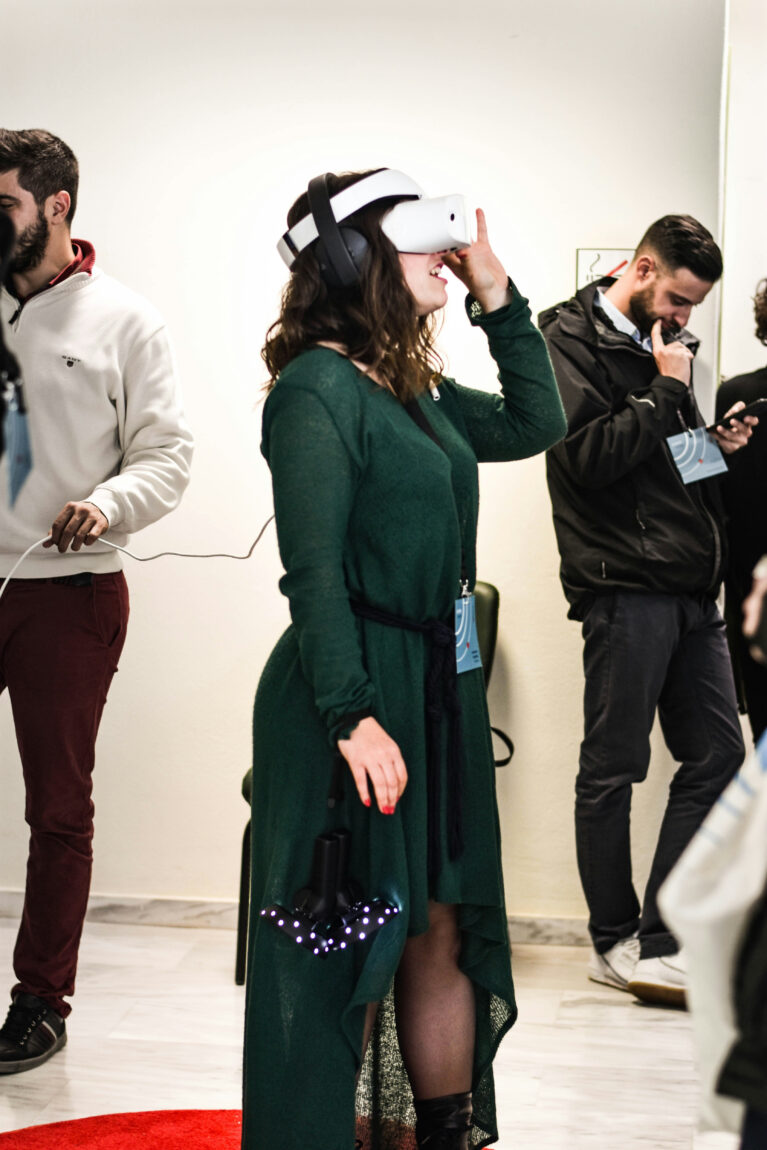
Woman in a green dress using a VR headset; background shows two men with phones. Bright indoor setting, tech event vibe.

Virtual Reality (VR) and Augmented Reality (AR) technology is wild, yet many musicians have yet to embrace its full potential. These cutting-edge tools offer endless opportunities to elevate music videos and live performances, turning them into unforgettable experiences.

While VR offers opportunities for music videos and interactive content, AR opens up possibilities for live shows. Imagine a band performing on stage while a herd of majestic elephants stampedes through the crowd. This idea might sound a bit OTT (okay, reading back, it definitely does), but remember, this will only appear on an audience member’s smartphone while they are recording and only if they decide to use the VR software.

Maybe a herd of elephants is a bit much, but there is definite potential for something incredible here. The key is to strike a balance between innovation and restraint. Overloading a performance with effects might overshadow the music itself, but when used thoughtfully, VR and AR can amplify a band’s artistic vision and create moments audiences will share on social media.

Short-Form Content on Streaming Platforms
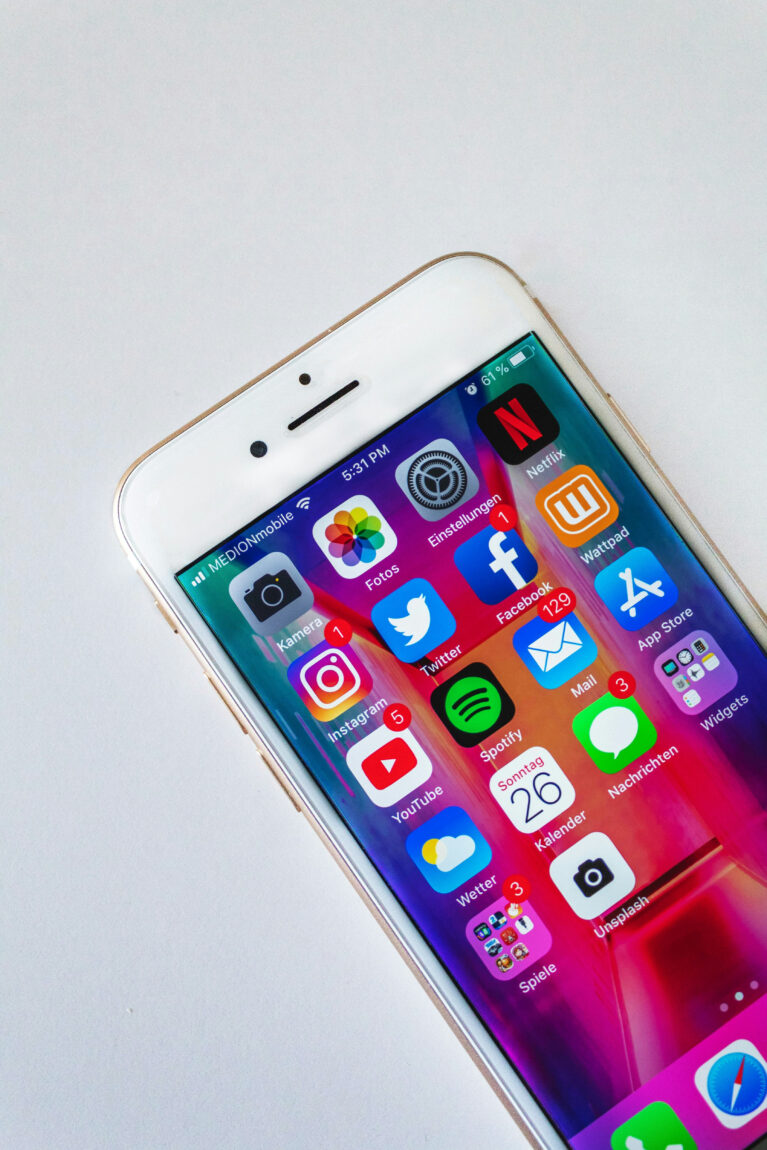
Smartphone displaying colorful social media apps and notifications on a vibrant, gradient background. Time shows 5:31 PM.

Short-form content is dominating the music world, and ignoring it means missing out on a massive opportunity to grow your fan base. While it might feel disheartening for serious artists to create light-hearted or “silly” videos, these bite-sized clips are now crucial for reaching new audiences and keeping fans engaged.

Platforms like Spotify are beginning to embrace short-form video clips as a way for artists to connect with listeners on a personal level. Spotify “Clips” can complement your long-form content by offering glimpses into your creative process, teasing upcoming releases, or simply showcasing your personality.

Clips are great because you can tag the album or single that’s associated with it so that viewers have a direct link to stream your song.

YouTube Shorts, too, has become a game-changer for artists, combining the power of viral video trends with the discoverability of the world’s biggest video platform. Whether you’re experimenting with song previews, behind-the-scenes footage, or even fun challenges, short-form content has the potential to draw in millions of viewers and funnel them to your music.

Fans crave connection, and short-form content is an easy yet effective way to share your artistry while building a loyal community.

Physical Releases
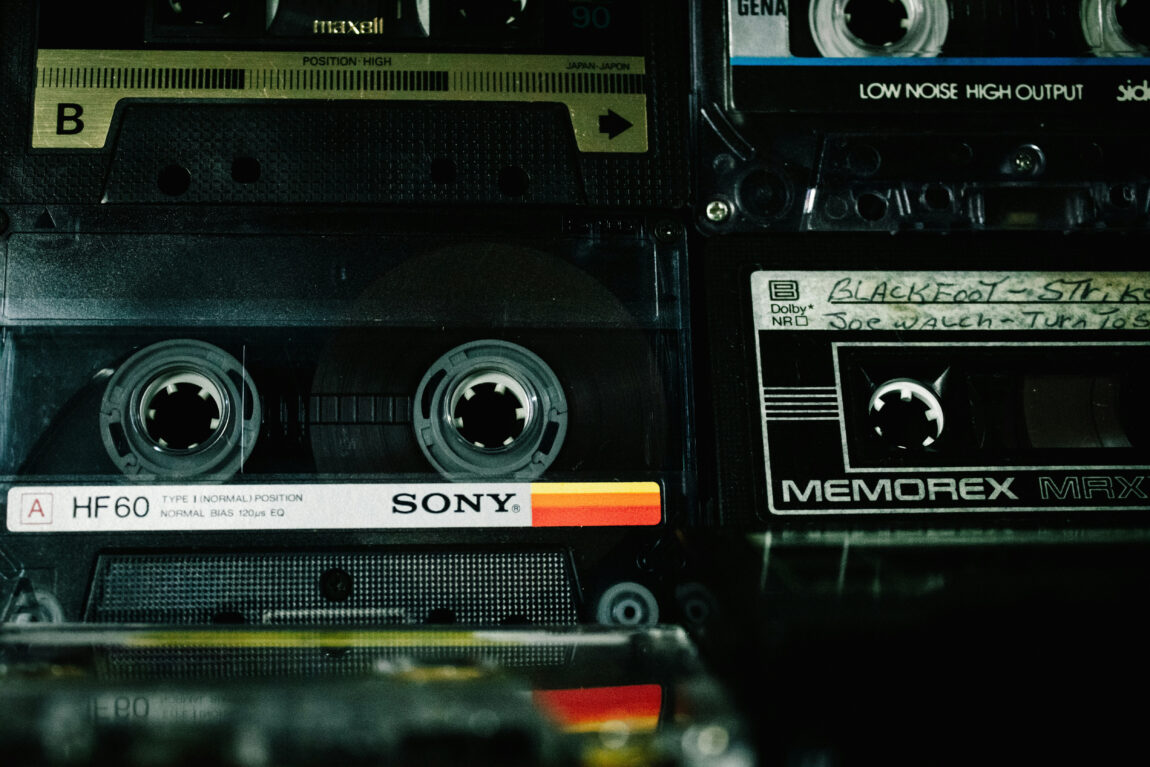
Close-up of stacked vintage cassette tapes with visible brands like Sony and Memorex. Labels show handwritten text, creating a nostalgic mood.

Everyone knows that physical album releases are a thing of the past, right?

Well, that’s not actually true. Though streaming is hugely important for a band’s career, selling merch is money directly in your bank. We’ve all heard about the vinyl comeback, and it still is a huge deal with vinyl sales dominating CD sales in 2022, but it looks like tape is the new (old?) kid on the block as cassette sales have reached their highest level in 20 years.

It is important to understand the reason people are buying these things. If your music is available on Spotify for free, people are probably not buying cassette tapes to listen to your music (or, if they are, they’re not listening to it exclusively on tape). Instead, they are buying it as merch; something to hold and show off, perhaps share to their social media. Therefore, spend time making it worth the money. Create amazing artwork, consider the box it comes in and offer freebies to anyone buying it so they are more inclined to post on their social media about it.

Music promotion in 2025 will require a great deal of hard work, patience, and savvy. By adapting to these advancements, artists can ensure they remain relevant and successful in an ever-changing music ecosystem, all while staying true to their creativity and vision. The future is wide open. How you navigate it will define your success.

Want to take your music promotion in 2025 even further? Get in touch to find out how we can help promote your music through press campaigns, playlisting, marketing and radio plugging.
The Power of Music Press Coverage: Why It Still Matters in the Streaming Era

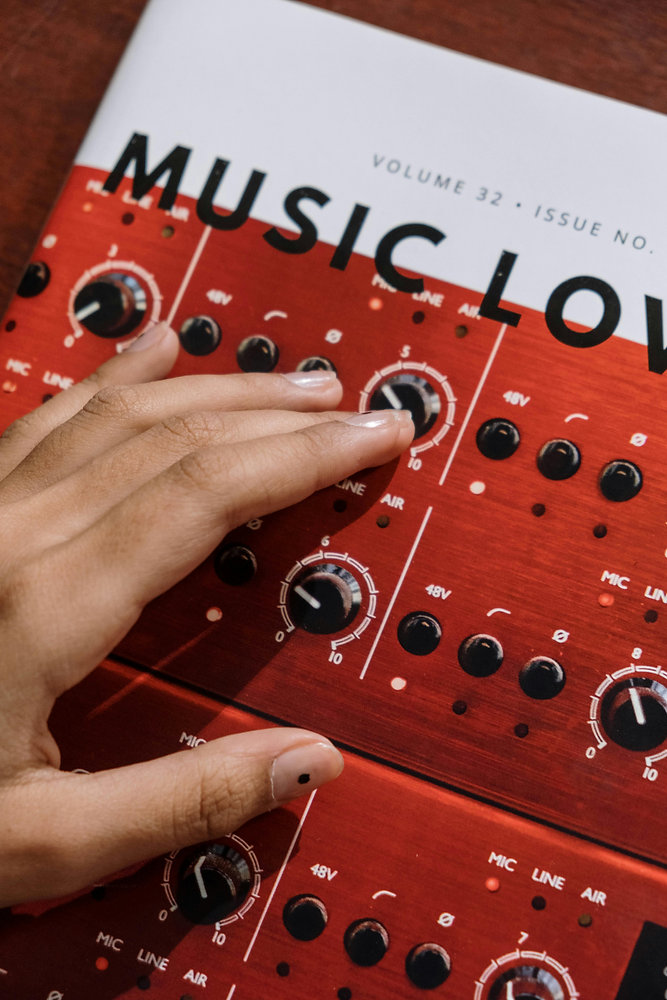
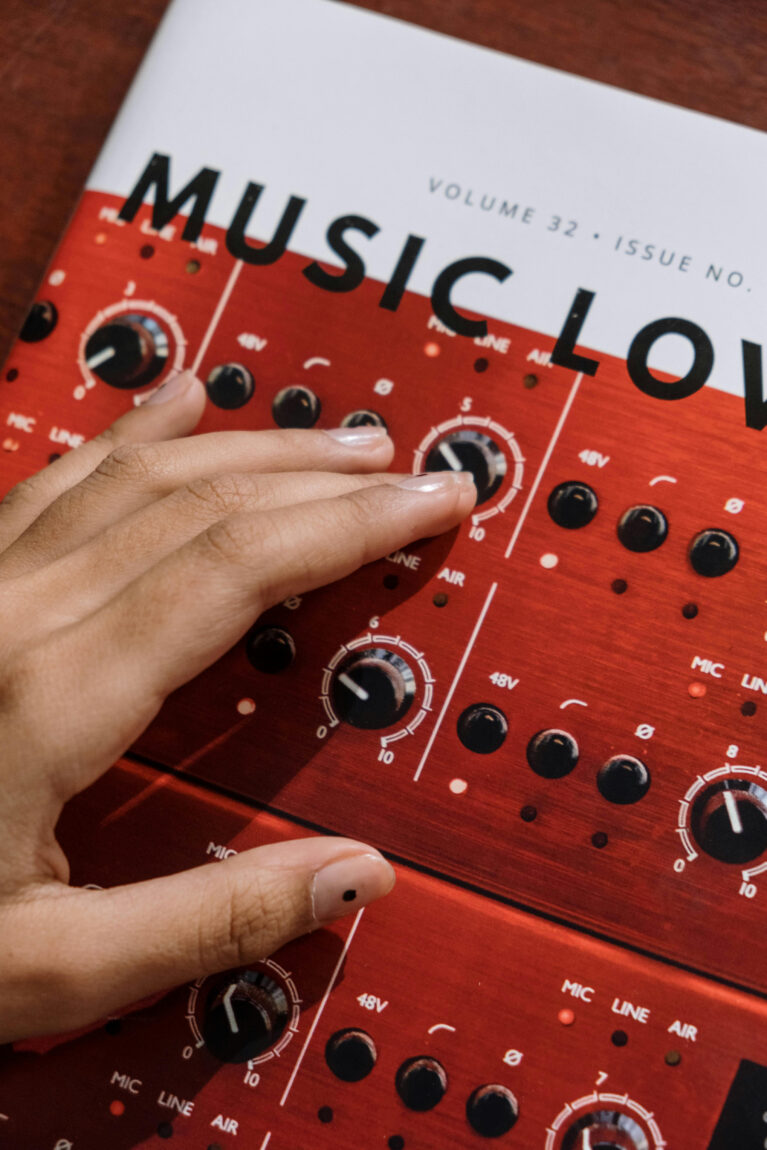
Hand touching magazine. Text reads

According to Music Radar, more music is being released today (in a single day) than was released in the calendar year of 1989. Thanks to advancements in technology, releasing music has never been easier. Uploading to streaming platforms is now quicker, more affordable, and often more impactful than physical releases.

Because of this, it’s easy to assume that traditional press coverage has taken a backseat in the music industry. After all, why focus on securing a magazine feature when a single playlist placement could generate hundreds of thousands of streams? The truth is, press coverage remains a vital component of any successful music PR strategy. Here’s why it still matters – perhaps now more than ever.

Building Credibility in a Saturated Market

The music industry has never been more crowded, and it’s becoming increasingly difficult to stand out from the crowd as a musician. Press coverage in respected outlets offers a badge of credibility that algorithms simply can’t provide. Whether it’s a glowing album review in NME or a feature in a niche blog, being spotlighted by a trusted publication signals to fans, industry professionals, and potential collaborators that you’re worth paying attention to.

Reaching New Audiences Beyond Algorithms

While editorial playlists on streaming platforms and promotion on social media are essential for an artist trying to reach listeners, they often rely on an audience’s existing preferences. Press coverage, on the other hand, introduces artists to entirely new groups of people. For instance, a feature in a magazine could capture the interest of readers who may not actively browse Spotify’s “Discover Weekly.” By breaking out of the algorithm bubble, press coverage helps artists connect with diverse and untapped audiences.

Shaping Your Narrative

One of the biggest advantages of press coverage is the opportunity to tell your story. In an interview or feature, you’re not just another name in a playlist – you’re a person with a unique journey, message, and vision. This narrative builds emotional connections with your audience, turning casual listeners into loyal fans. Press outlets excel at crafting compelling stories that resonate, offering depth that social media captions or playlist blurbs often can’t.

Enhancing Your Online Presence

Press coverage doesn’t just live in print or on a blog; it contributes significantly to your digital footprint. When potential fans, booking agents, or festival organisers search for your name online, seeing credible press articles in the search results enhances your professional image. Furthermore, links from high-quality press websites can boost your SEO (Search Engine Optimisation), making it easier for people to discover you organically.

Supporting Long-Term Career Growth

While viral moments are fleeting, press coverage provides lasting benefits. An insightful interview or thoughtful review can remain relevant long after its initial publication, serving as a valuable asset in your portfolio. It’s the kind of content that you can reference in pitch emails, showcase on your website, or use to build your Electronic Press Kit (EPK). These assets demonstrate to industry stakeholders that your career is built on more than just one-off trends.

Complementing Digital Strategies

Press coverage isn’t a competitor to digital platforms; it’s a complement. A well-timed press campaign can amplify the impact of a playlist placement or social media push. For example, an interview discussing your new single could drive fans to stream it, while the streams generated on Spotify could, in turn, validate your worthiness for further media attention. When combined effectively, press and digital strategies create a powerful feedback loop that boosts visibility across all channels.

Adapting Music Press Coverage for the Streaming Era

Of course, press coverage itself has evolved. Traditional print magazines may no longer dominate, but online publications, blogs, and podcasts have stepped in to fill the void. These digital formats often reach highly engaged niche audiences, making them invaluable for targeted promotion. Additionally, many outlets now integrate multimedia elements like video interviews or exclusive performances, allowing artists to showcase their work in dynamic and engaging ways.

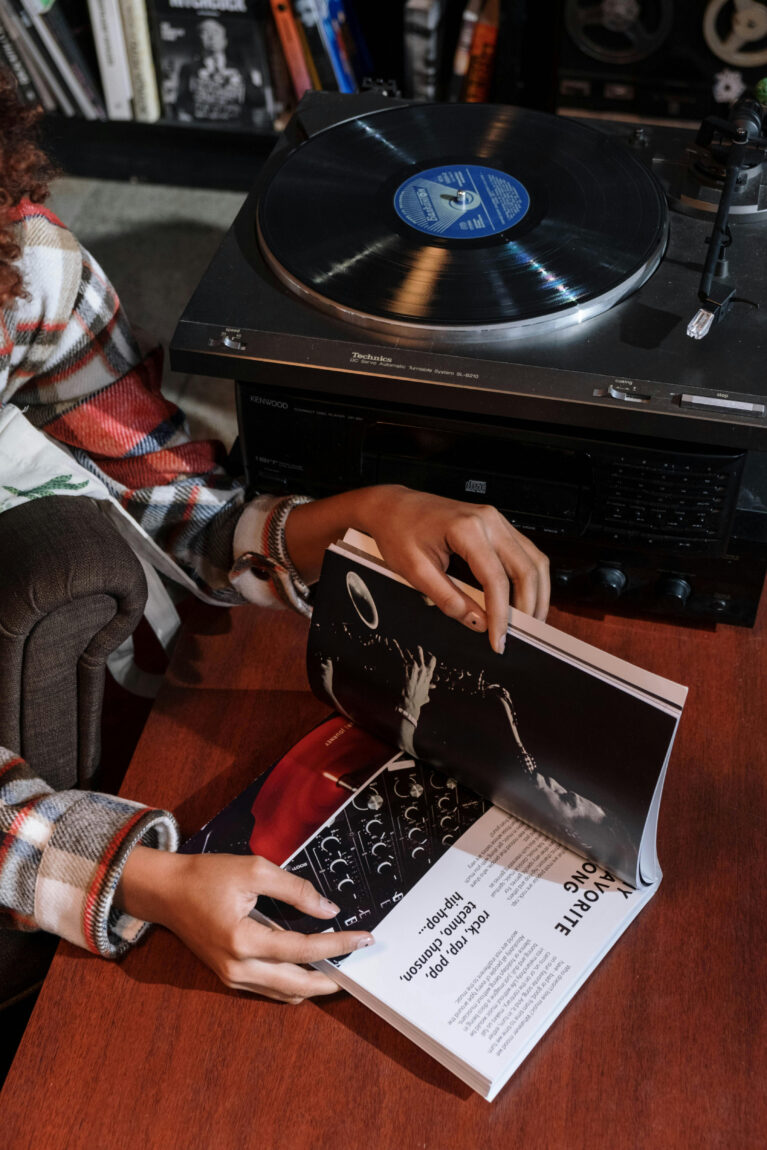
Person in plaid shirt flips pages of a magazine near a vintage record player. Books and albums visible in the background, cozy setting.

In the streaming era, press coverage remains an essential pillar of music promotion. It offers credibility, broadens your audience, and helps tell your unique story in ways that algorithms cannot. Far from being outdated, press coverage is evolving alongside the industry, offering new opportunities for artists to connect with their fans and grow their careers. When integrated into a comprehensive PR strategy, press coverage continues to prove its power in helping artists rise above the noise and leave a lasting impression.

Want to find out more about press coverage for artists? Click here to find out more about our services and read testimonials from our previous clients.

How a Piece of Lost Media from an 80s Adult Film is a Masterclass in Music Promotion (NSFW)

Music promotion on social media in 2024 is a full-time job. Spending your time researching social media trends, creating reels and posting carousels are all imperative for successful music promotion. The Plugged Into Music Fandom study by Wasserman estimated that income from social platforms such as TikTok, Facebook and Twitch accounted for between $0.8 and $1.2 billion in 2021 (Source: Midia), reflecting just how important social media is for musicians. So, releasing music today is just hours of creating social media content, pitching to Spotify editorial playlists, and radio plugging, right?

Well, it doesn’t always work that way.

On the 22nd of June 2024, Who’s Who and Christopher Saint released their debut album, Ulterior Motives (The Lost Album), on Spooked Media Releasing (Saint’s own record label) with little to no promotion on social media. In fact, Who’s Who don’t even have a social media account on Instagram or TikTok. However, the title track—a generic ’80s-sounding new wave number—has, at the time of writing, amassed over a million streams on Spotify. While this might not be groundbreaking for an established artist, for an unknown act self-releasing their debut in 2024? That’s huge.

So, how did they do it?

It was kind of an accident. Let’s back up a bit.

The Lost Track

The full story has already been covered multiple times, so we won’t go into the full details of what exactly transpired. If you want the full story, YouTuber Sully goes into detail here, but we’ll break it down briefly for you:

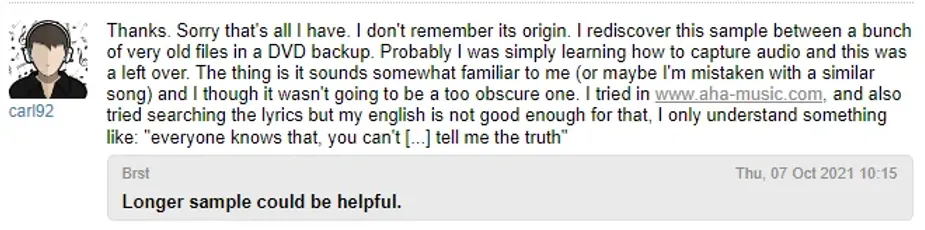
Before June 22, 2024, the only evidence of the track’s existence was a low-quality, 17-second snippet circulating on YouTube, Reddit, and a site called WatZatSong since 2021. This short clip was initially shared by Carl92 in an effort to find the original artist and the full song, claiming that the file was discovered on an old DVD backup with no information on the song’s title or its creator and featured heavy background noise (presumed by some to be Carl92 opening a packet of crisps).Original post on Watzatsong from Carl92 detailing the search for

The clip went viral on YouTube and the r/lostmedia SubReddit with Redditors scrambling to find the song’s origin.

After many long hours of searching, one internet sleuth finally found the song’s title and the artist who recorded it; Ulterior Motives by Christopher and Philip Booth. However, he also revealed that the song was written and recorded as a soundtrack for Angels of Passion; an adult film from 1985.

It turns out that the 17-second clip that Carl92 shared was the only part of the song which didn’t feature other… erm… let’s say dialogue from the film. The background noise mentioned earlier was not in fact from a packet of crisps – it was the sound of bedsprings.

Naturally, everyone pretty much came to the conclusion that Carl92 found the song while watching the film and enjoyed it so much that he turned to the internet to find it. Obviously, he didn’t want anyone to find out that he’d heard it in a dirty movie, so in an attempt to hide this secret, he pretended that he found the clip on an old DVD backup. Carl92 has not been seen or heard from since, so we can’t know for sure.

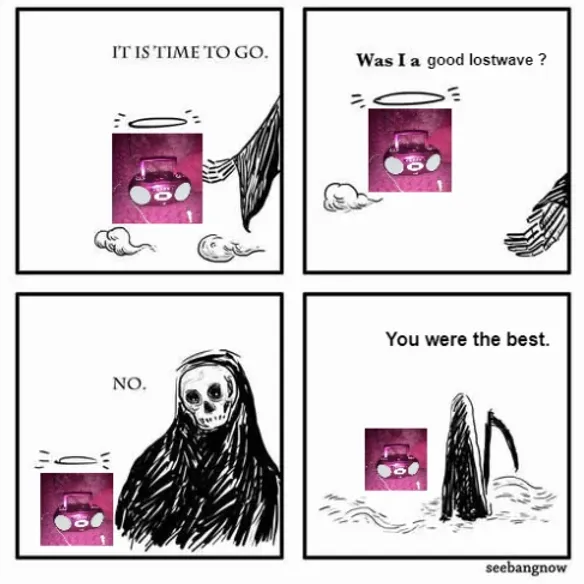
Peace out meme.

As hilarious as it is that Carl92 was so enamoured by the infectious new wave vibe of this ’80s banger that he took to Reddit mid-stroke to attempt to discover its creator, we as musicians and music promoters should take this series of events seriously. We can learn a lot from the hype surrounding the record even if there was no intentional marketing (until one of the band members, Christopher Saint, found out about the cult following the song had achieved and began re-recording, releasing officially and promoting the song).

Let’s be clear – we’re not saying that recording a song for a dodgy movie will make it become viral. However, there are a few lessons to be learned from the unintentional promotion of the release that can’t be ignored.

1. The Power of Mystery and Intrigue

The dusty 17-second clip with the very little information delivered by Carl92 left fans desperate to figure out where the song came from. It offered fans a puzzle to solve, making them feel connected to the music as they searched for answers to the mystery. In fact, the armchair detective who eventually solved the mystery had to trawl through 12 hours of adult footage before eventually finding it on Angels of Passion. In the industry, that’s what we call a mega-fan.

Think about how you can use social media in a similar way. Using short-form content, you can easily create a sense of mystery for your releases. An example of this in full effect is this Instagram clip from the band Blossoms which features Rick Astley fervently asking the camera to help him locate “Gary” before a transition to the band’s music video. If that doesn’t leave you desperate to find out more, nothing will.

2. Target a Niche Audience

It’s unusual for a song to become popular on a subreddit, but the topic gathered momentum because the r/lostmedia fanbase (AKA the Lostwave community) are a small but enthusiastic crowd, intent on finding the origins of mysterious films, music, and memorabilia that have been lost to time. This is a reminder that it’s important to think about where your target audience is. Would your audience want to see funny 30-second clips of your band’s pre-gig shenanigans? Focus on Instagram or TikTok. Would they prefer to see you performing a live DJ in your kitchen at 3 am? Maybe YouTube or Facebook. Or, take inspiration directly and look for some very niche communities on Reddit that might enjoy your releases.

3. Deliver the Goods

Upon realising the cult following the 17-second clip had gained, Christopher Saint re-recorded and released the song since the original masters could not be found. Sure, the song is a fairly generic-sounding piece, but it’s a definite earworm dripping in nostalgia; a recipe for success in the Lostwave community. He knew exactly what the fan base was asking for and delivered a full album of ’80s adult-film bangers (no pun intended). Promotion is imperative as an artist, but you must ensure that you can deliver the goods at the end of it all. Make sure your songs are amazing, then put the effort into marketing them.

4. Memes

We’ve already discussed how memes are a powerful promotional tool for musicians, and though spending your time making them is probably not what you want to be doing as a musician, it definitely yields results. Ulterior Motives has not (yet) achieved meme status, but it’s still early days. There are already a few memes knocking around, creating more intrigue and indirectly promoting the song, and the subject matter is pure meme fodder.Lost media, Ulterior Motives, Everyone Knows That meme

Check out how Dexter and the Moonrocks meme-ify their music, referring to it as “sad cowboy music” in this Instagram clip. Avoid becoming a meme entirely, but consider how you can use them to promote your music.

Final Thoughts

As social media becomes saturated with AI-generated content and influencer-driven trends dominating the space, it’s crucial to find ways to stand out. Promoting music in 2024 requires creativity, dedication, and a whole lot of hustle. But there’s also a fair bit of chance thrown in. Though we should always learn from other artists when we’re trying to promote our brand, sometimes, the best lessons in promotion can come from the unlikeliest of places – like an ’80s adult film.

While we wouldn’t suggest recording your music for an adult movie in hopes of it going viral, the story of Ulterior Motives shows how powerful it can be to generate intrigue while focusing on a clear target audience. Embrace these elements in your own music promotion and you just might find that success comes in the most unexpected ways.

Why Memes are Your Secret Weapon for Music Promo in 2024

Computer kid meme

Thinking of becoming a professional musician in 2024? Get ready to join a battlefield of artists fighting tooth and nail for relevance, streams, and attention. It’s not 2003 anymore. The music magazine is dead. Even music education magazines are going down, with three of the biggest guitar magazines recently announcing their closure. Even Facebook is becoming obsolete (though still a powerful tool for musicians, as we posted about here). You’ve got to hustle. You’ve got to find new ways to promote yourself.

Sure, advertising your music on the radio is still important, and if you can get your music on TV, that’s amazing. But we all know the best place to promote your music: the internet. And on the internet, you need to stand out. And to stand out, you need to be relevant. And to be relevant, you need to be part of the culture.

And that means memes. 

Trust us, memes are now the most effective and organic promotional tool for musicians. The impact of memes isn’t just about making people laugh; it’s about creating a viral buzz that gets your music into the ears and minds of listeners in ways that traditional marketing usually fails.

Let’s break down exactly why memes are the key to music promotion in 2024.

  1. Memes Are the New Word of Mouth

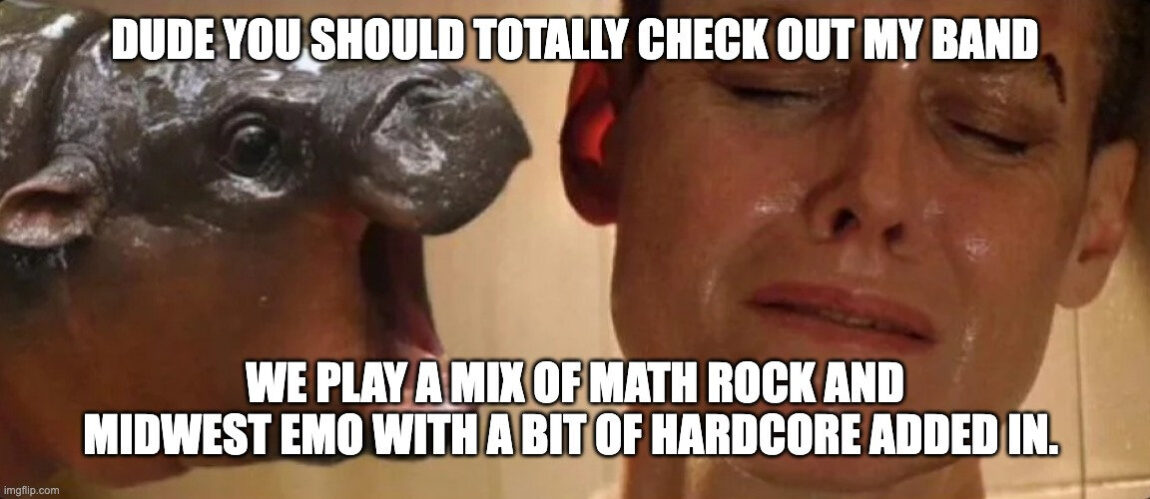
Math rock meme

It’s clear that memes are the internet’s answer to word-of-mouth marketing. Someone shares a meme, their followers laugh, and boom – your track is now part of the conversation. Whether it’s a funny moment from your music video or a meme about your band’s “ridiculous” style, memes allow your music to take on a life of its own.

Just to be clear – when we’re talking about memes, we are basically talking about any humorous trend that spreads over the internet. It’s hard to define exactly what a meme is, but it’s the kind of thing where you know one when you see one.

Let’s take a look at an example: The Pinegrove Shuffle.

The Pinegrove Shuffle was a TikTok trend that Garrett Lee started in June 2023. The formula was simple: an ironically brash, arm-swinging, leg-shuffling dance backed by the emo stylings of Pinegrove’s (at the time) fairly underground, emotional track “Need 2”.

It’s a recipe for an effective meme: Irony, humour, a lack of sincerity, and an opportunity to get involved.

It became huge. There’s even a video of DJ Khaled dancing along to the number. According to a Rolling Stone interview with Pinegrove’s frontman Evan Stephens Hall, the song had a 96% spike in streams, leading to the band re-releasing the song along with a sped-up and slowed-down version – perfect for reposting on social media.

Memes make your music more accessible, more relatable, and more shareable. They help you tap into a community of fans who get your vibe and are more than happy to spread it around. Got a unique dance to one of your own tracks? Start filming yourself or your friends doing the dance on TikTok. It could spread and get more ears on your music.

2. They’re Quick, Cheap, and Super Effective

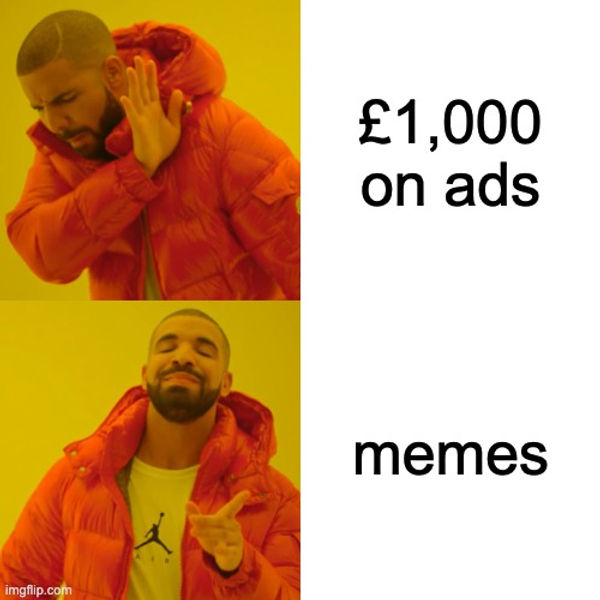
Music promo Drake meme

Not every musician has the budget to blow on huge advertising campaigns or flashy marketing strategies. But memes? They’re free. And the best part is, they don’t require an MBA in marketing to create. The genius of memes is that they’re often simple, user-generated, and quick to spread.

You don’t need a high-end production team to create a viral meme. It could be a behind-the-scenes clip from a studio session, something funny that you did on stage, or a snippet of a live performance that’s so good (or so bad) that people can’t help but share. Or, even better, just see which memes are being used right now and create your own version to post on your socials using this free meme generator.

You don’t even need to make a meme yourself – your fans can do the heavy lifting for you.

Take inspiration from artists like Lil Nas X. He has mastered the art of meme culture. Whether it’s creating absurdly shareable moments on TikTok or turning Twitter into a meme playground, Lil Nas X has become a meme creator as much as a musician. His ability to tap into meme culture has kept him at the top of the conversation.

  1. Memes Build Fan Engagement

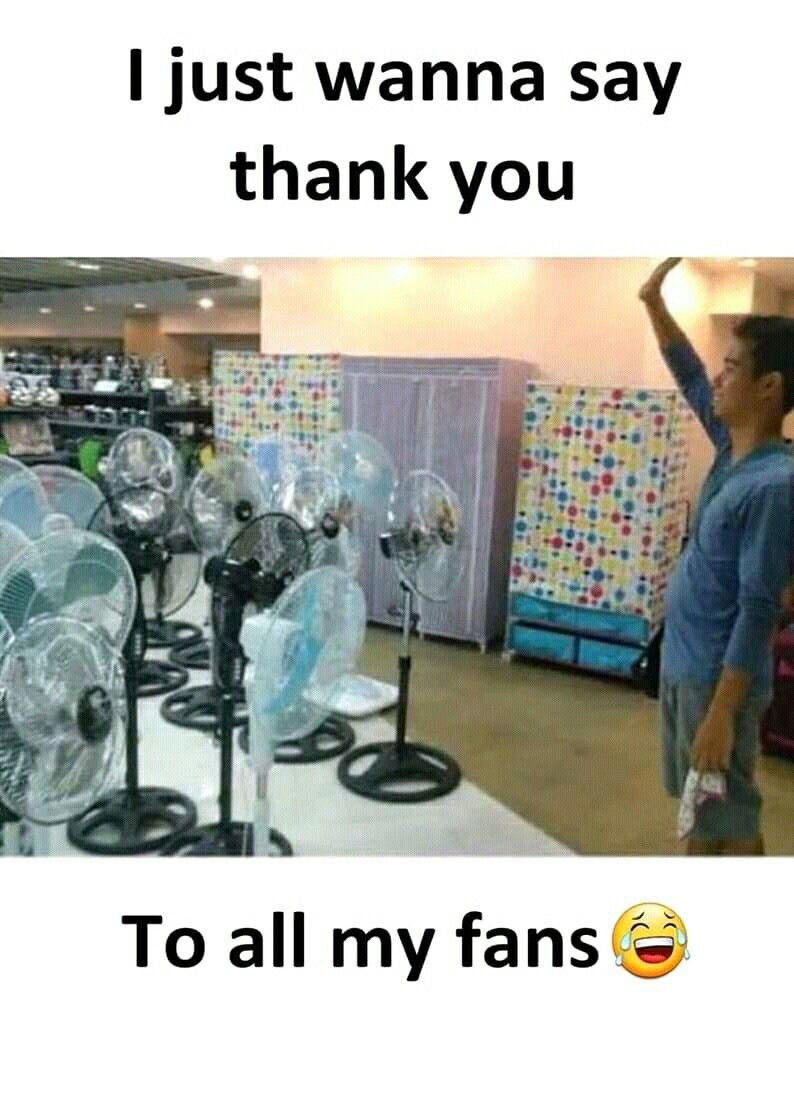
Fans pun meme

When people engage with your music through memes, it’s not just a click or a casual listen. It’s a conversation. Fans love to be in on the joke, and they want to feel like they’re part of something bigger. Memes provide access to the inner workings of your brand – whether it’s an ongoing inside joke or a recurring meme format that fans can participate in.

Think about it this way: every time someone shares a meme related to your song, music video, or personality, they’re not just promoting your work. They’re telling their followers, “Hey, I get this. This is my thing now.” Memes build a sense of community – and when people feel connected to your brand, they’re more likely to support your music, buy tickets to your shows, or stream your album.

  1. Memes Create a Sense of FOMO

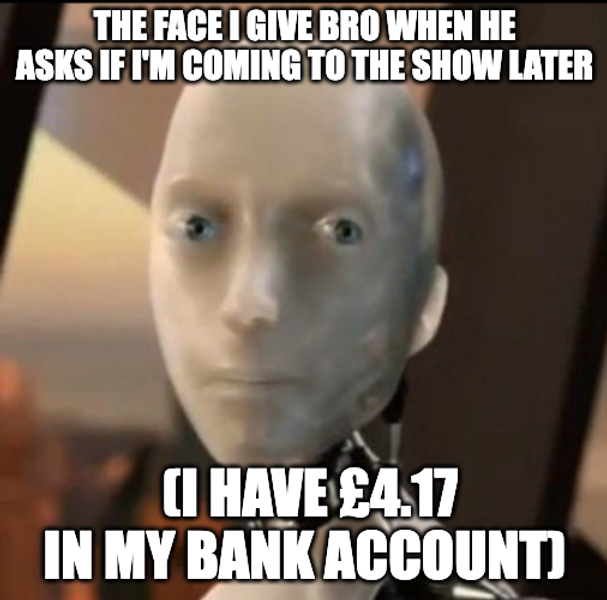
iRobot music promo meme

Memes are about one thing above all else: attention. The more people see your music being memed, the more they feel like they’re missing out if they haven’t listened yet. It’s the ultimate social media trick – memes create a cycle of “if you’re not in on this, you’re out.”

This fear of missing out (FOMO) is potent. When your song starts popping up in memes on TikTok, Instagram, and Twitter, it signals to potential listeners that your music is part of a larger cultural moment. Whether it’s a viral dance challenge or a witty meme based on your lyrics, FOMO drives curiosity. If people see others laughing or enjoying your content, they want in on the joke – and they’ll stream your music to catch up.

  1. Memes Humanise the Artist

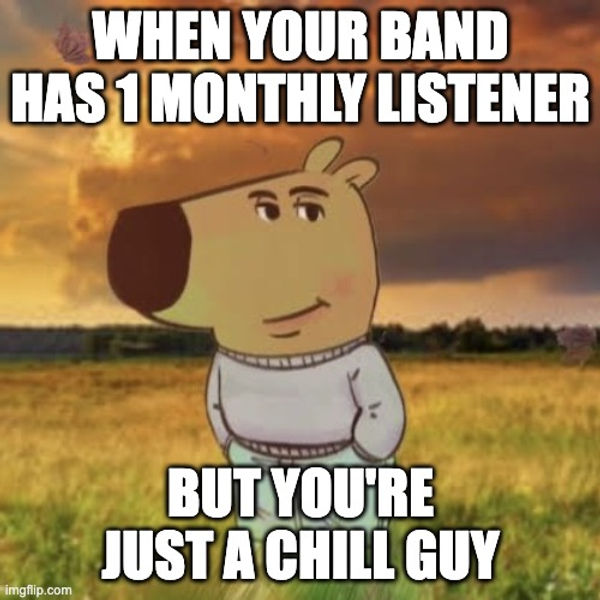
Music promo chill guy meme

Memes make you more relatable. They make you human. Musicians who lean into meme culture are seen as more approachable, more fun, and more “down to earth.” It’s easy to get lost in the polished, curated image of the modern pop star – but memes break that facade. They show the personality behind the music, and that’s something audiences crave in 2024.

When you create a meme or respond to a fan-made one, it’s like inviting your audience into your inner circle. It’s not about selling your music; it’s about creating a bond with your fans. And that connection? That’s what makes people want to follow you, listen to your album, and share your work.

Get in touch today to find out how we can promote your music even further through social media, radio plugs, and ads.

5 Reasons Why Facebook Is Still a Powerful Tool for Music Promotion on Social Media in 2024

In the ever-evolving landscape of social media, staying current is crucial for musicians wanting to amplify their reach. While platforms like TikTok and Instagram are becoming the first choice for many, Facebook almost feels like the “weird uncle” of social media, reminiscent of Myspace’s decline. However, Facebook remains a formidable tool for music promotion on social media in 2024. Here are five reasons why you should leverage this platform to elevate your music.

1. Effortless Event Promotion

One of Facebook’s standout features is its event promotion capability. Facebook events allow musicians to communicate directly with fans before and after gigs, creating a community around each performance. Fans can upload photos and videos, making the event memorable and interactive. While Instagram has introduced similar features, Facebook events have a long-standing reputation for effectiveness. If you’re planning a gig, don’t underestimate the power of a well-promoted Facebook event to boost attendance and engagement.

2. Clickable Links in Captions

For musicians, the ability to include clickable links in posts is invaluable. Unlike Instagram, which requires users to search for links in bios or external sites, Facebook allows you to place links directly in your captions. This means fans can quickly access your music on platforms like Spotify or YouTube, significantly increasing the likelihood of engagement. In an oversaturated music scene and with the attention spans of most social media users dwindling, this straightforward access is crucial for converting casual scrollers into dedicated listeners.

3. Cross-Posting

Managing multiple social media platforms can be overwhelming, but Meta makes it easier with its cross-posting feature. By allowing you to share content seamlessly between Facebook and Instagram, you can save time and effort while maintaining a consistent presence on both platforms. This means you can focus more on creating engaging events and community interaction on Facebook while reusing photos and videos from your Instagram feed.

4. Engaging the Older Generation

While your target audience may not be primarily 50 to 60-year-olds, don’t overlook the potential of this demographic when considering music promotion on social media. Older generations often have a strong appreciation for local, independent artists and can provide a loyal following. Additionally, many still value physical media—think CDs—making it worthwhile to engage with this audience. Even if streaming is dominant, a few CD sales can translate to immediate revenue, especially in local markets, which is vital for artists as streaming services pay so little.

5. Local Gig Promotion

Building a local fanbase remains vital for any artist, and Facebook excels in promoting local gigs. With countless local groups dedicated to community news, you can effectively reach people interested in supporting their local music scene. Posting in relevant groups in the weeks leading up to your gig, limiting to around five posts per day to avoid spamming, can help to create a buzz and is sure to sell a few extra tickets.

While Facebook may not be the trendiest platform in 2024, its extensive user base and unique features make it an essential tool for musicians. With over three billion monthly active users, as reported by Statista in July 2024, neglecting Facebook means missing out on a significant opportunity to connect with diverse demographics. So, whether you’re promoting events, sharing links, or building a local fanbase, don’t underestimate the power of Facebook in your promotional strategy.

If you’re looking to promote your music even further, get in touch to find out how we can optimise your music promotion on social media with Facebook and Instagram ads to help you boost your following, promote your tour and increase your Spotify streams.

Optimise Your Spotify Editorial Playlist Submission: 5 Essential Tips

Getting featured on the right Spotify playlist can be a game-changer for artists and bands looking to expand their fanbase. With the right approach, it’s an effective way to reach the right audience. Here are our top five tips to ensure your Spotify editorial playlist submission stands out and gets your music heard by the right ears.

1. Identify Your Niche

The key to landing a spot on an editorial playlist is specificity. Editorial playlists are categorised not just by genre but also by mood, instrumentation, and even the artist’s location. To determine the best fit for your song, start by identifying a few keywords that describe your track. For example, you might use terms like “instrumental lo-fi,” “Chinese flute,” or “progressive jazz metal.”

Next, consider other attributes that describe you as an artist/band, such as location, gender, and instrumentation. Compile a list of these keywords for reference in the next step.

2. Find the Perfect Playlist

With countless editorial playlists available, it can be daunting to know which to choose for your music. This is where the list of keywords comes into play. Enter each keyword into Spotify to discover relevant playlists, aiming for something specific and relevant to your song. With playlists like “Made in London” or “Café Africa” available, location can be highly important. Even gender can play a role; playlists like “Women in Jazz” may align well with your music. Once you find a selection of playlists, examine the other artists featured. It’s good practice to pitch to playlists that include artists at a similar level of monthly listeners to yours. 

One final tip: make sure you are looking for the right type of playlist. Be sure to check for the green Spotify logo in the byline next to the curator’s name. Avoid personalised playlists marked “Made for [your name]” as these aren’t suitable for submission.

3. Choose Your Most PlaylistableSong

Selecting the right song for submission is crucial. Again, think about the niche that your song fits into. The right song may not be the strongest you have, it may just suit a playlist more than your others. Focus on the one that’s most “playlistable.”

For instance, if you’re in a Japanese dream pop band, you may discover there isn’t a specific “Japanese Dream Pop” playlist to submit to. However, one track on your upcoming album is a chill, ambient instrumental track that is perfect for the “Ambient Japan” playlist – it’s the right niche and the other artists featured have a similar amount of monthly listeners to your band. Even though the playlist doesn’t suit the band specifically, that one dreamy ambient track is a perfect fit and, because of, this may have a much higher chance of getting playlisted than the other songs on the album. This method can also help you branch out and reach a wider audience.

Remember, if you’re releasing an album, you don’t need to pitch the singles; any track from your album can be submitted!

4. Submit at Least Four Weeks in Advance

While Spotify recommends a minimum of 7 days’ notice for Spotify editorial playlist submissions, we advise aiming for at least four weeks in advance. Curators receive hundreds of pitches daily, so giving them ample time to review your pitch is crucial.

Early submission also lets you strategise your release and consider promotional tactics to maximise your exposure.

5. Write an Engaging Pitch

This is where your writing skills come into play. Craft a concise and engaging pitch that incorporates 3 to 5 of the keywords you identified earlier. Most importantly, mention the specific playlist where you envision your song fitting. This helps curators understand your vision and the context of the music.

By following these five tips, you can significantly enhance your chances of getting featured on a Spotify editorial playlist. With the right preparation and approach, you’ll be on your way to reaching new audiences and growing your fanbase. Happy submitting!