Put most simply, gaining more followers on Spotify is a two-fold process:
- Be an artist worth following
- Send traffic to your Spotify artist profile
Setting out to grow your following on Spotify is just as tricky as growing on social media platforms. In fact, think of Spotify as another social media platform in itself. It really needs working, with strategy and persistence. It feels frustratingly slow at times, and it could be a full-time job in itself! But fear not, we’ve got some bright ideas up our sleeves here at Decent to help you along the way to gaining more Spotify followers.

As with any aspect of your artist career, it’s important to keep your mindset positive, or you risk burning out. We know how overwhelming trying to juggle everything can seem, especially when you’re trying to create the music too! Oh, and please remember that it’s always quality over quantity of numbers. Wouldn’t you rather have a dedicated, cult following over masses of one-time listeners – or even worse, bots – who aren’t that bothered about what you do?
Why Spotify Followers Count
One of the main reasons why Spotify followers are important is that by growing your following on Spotify you’re essentially creating a virtuous circle of support for your music there. Increasing the number of Spotify followers you have can impact your visibility on the platform.
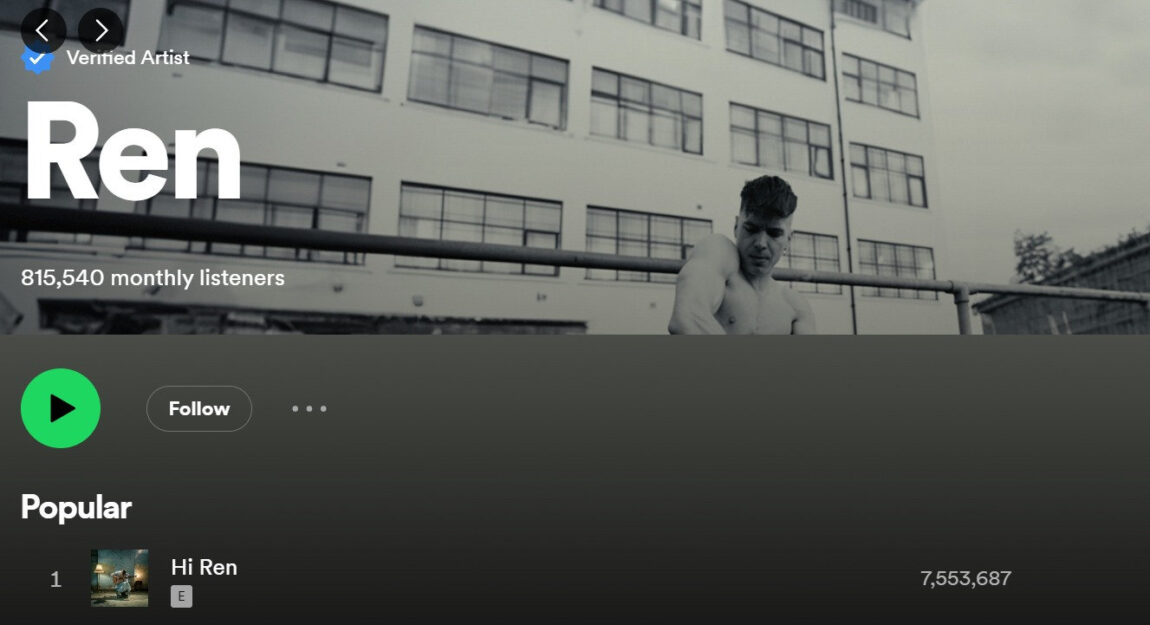
Fast-emerging artist Ren has over 300,000 followers on Spotify after gaining popularity with his viral track ‘Hi Ren’. Though his subsequent releases might not rack up millions, they still have healthy stream counts, no doubt down to this healthy number of Spotify followers.
That’s because the more followers you have, the more likely your profile and music will be recommended to users through algorithms like personalized playlists and radio stations. Followers are notified of your new release via the likes of Music Radar, Discover Weekly and Daily Mix. If you have 100 followers on Spotify, your next release will land on 100 Release Radar Playlists. This means that if you’re consistent with your release schedule you’re going to see an increase in streams for sure.
Spotify Followers versus Monthly Listeners
‘Monthly Listeners’ gives you a snapshot of how you’re doing streaming-wise on a given month. Yet we all know how variable this number is. You might have song land on a major playlist and you’ll see your Monthly Listeners skyrocket, only for this number to drop as soon as you’re off that playlist. Ideally, you’d be converting those listeners into followers, and essentially fans of your music, not just passive listeners. The idea is that these followers then buy your merch, come to your gig, look out for your new music releases etc.
How to be an artist worth following on Spotify
At the end of the day, if you aren’t a product people want to consume, you’re not going to get followers. You need to create a sense of cult and community around your act, so that people feel drawn towards you, and left out if they don’t follow you.
Refine your artist brand
The starting point for creating that community, is always going to be in pairing your great music with a refined artist brand that is easily recognisable, unique and true to you. This can take years to get right, and much easier said than done. Essentially, all of your design and aesthetic elements should function together and build the same overall picture. Applying consistent branding will help market your music as distinguishable from the rest of the artists out there releasing music.
Make your Spotify artist profile look good
Your artist profile on Spotify is a space to connect with your visitors, and capture the attention of those who are curious about you. Any traffic to your Spotify artist profile means potential fans and potential followers, so don’t let this opportunity slip. It’s part of the set-up process for gaining more followers. Not only that, but it makes you look like you’re actually active on the platform and also like a true pro for any industry folks snooping around. Think about the following:
- Verify your profile (distributors can easily sort this if you’re unsure)
- Your artist biography
- Striking press shots and banner
- ‘Artist’s Pick’ playlist or song
- Consider adding any merch to your merch-bar (if you have Shopify)
- Create a playlist & add it to your ‘Artist Playlists’ sections
- Add all your social links
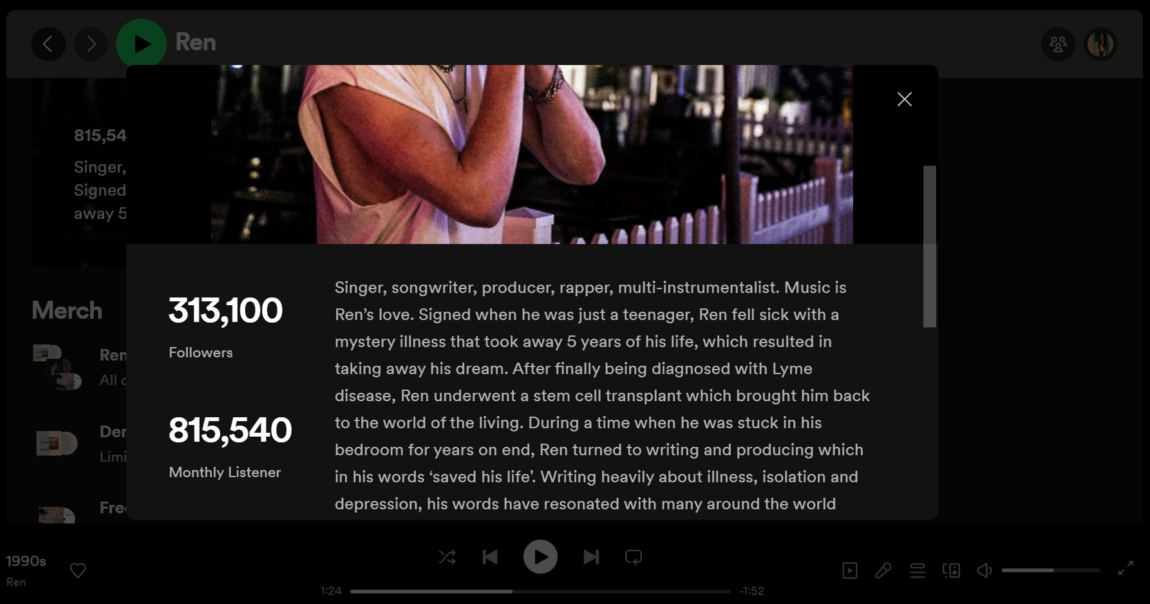
Part of Ren’s appeal as an artist has to be his compelling story, which he tells in great detail across his socials and here in his Spotify artist profile biog. Though a single emoji in your biog might be more you, maybe think about elaborating and telling a story. Just a thought.
Now, let’s look at the varying ways you might send traffic to your Spotify artist profile.
Create & release great music, consistently
Ultimately, Spotify rewards those releasing new music consistently on the platform. Provided that music is also great, which we’re sure is the case, if you’re taking your career seriously. If you are prolific with your music releases – say, a song a month for 12 months straight – you’re going to get a TON more traffic than an artist who puts out one song a year. Being prolific pays of in this industry, so stick to a release calendar. What’s more new music is also fresh bait to draw people from other platforms too, both organically and if you choose, via ads. Which leads us on nicely to the following…
Sending traffic to your Spotify artist profile
It doesn’t matter if you’re ‘followable’ if no-one is finding you in the first place, right? So let’s look at various ways you can encourage people to visit your Spotify artist profile.
1. Organic off-platform traffic
Secure Press coverage
Securing press coverage online is a fantastic way to reach new audiences.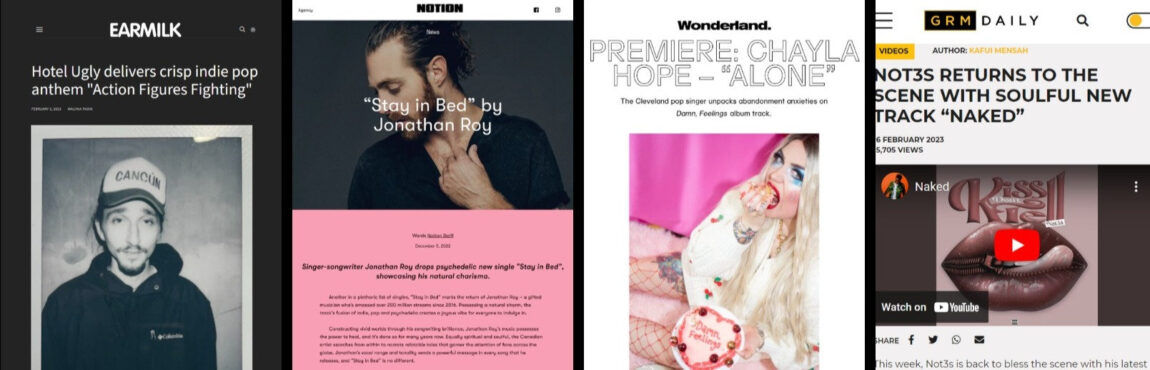
Connect with other artists
Playlists: Create your own playlists featuring not only your music but also songs from other artists in your genre. This can showcase your taste and connect you with fans of similar music.
Collaboration: co-writing or releasing a track
Engage potential Spotify followers on social media
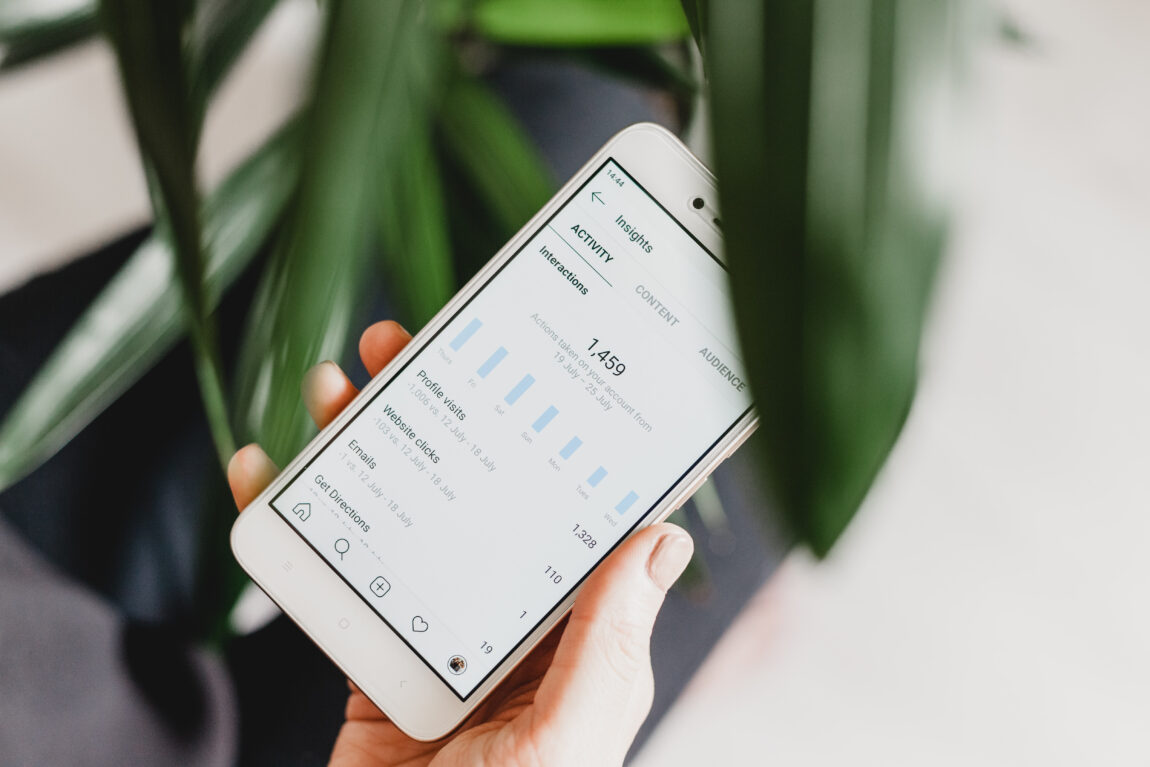
Promote your music and Spotify profile on your social media platforms. Share behind-the-scenes content, updates about upcoming releases, and interact with your followers to build a strong online presence. Respond to comments, messages, and interactions from your listeners. Building a connection with your audience can turn casual listeners into dedicated followers.
Collaborate with influencers or brands
Collaborate with Influencers: Identify influencers or bloggers in your niche who can help promote your music. They can introduce your music to their followers, which can lead to more Spotify streams and followers.
“Follow us on Spotify”
Shout-out about your Spotify profile everywhere you can – be that on your website, at your live shows, in your mail-outs, everywhere.
2. Ads-based traffic
The idea here is that you run ads from another platform (usually Meta, for Facebook and Instagram) to your Spotify artist profile, or perhaps to a landing page inviting them to follow you. It’s also worth taking a look at Tiktok ads. Make sure to continually refine your targeting in order to run the most effective ads. You’ll then want to incorporate retargeting and lookalike audiences that can cut your costs down further. It can be a lot of work, but it’s worth it if you can find something that works out for you.
Whilst running ads might seem expensive at first, they end up being pretty predictable. With a few hundred quid a month, you can probably expect to get between 50 and a few hundred followers per month, which is kind of cool.
3. On-platform traffic
This final method involves directing people who are already on Spotify to your artist profile.
Get Spotify followers via playlist placements
Pitch Your Music to Curators: Submit your tracks to independent playlist curators who have a following. If your music gets added to their playlists, it can help you gain exposure to a broader audience.
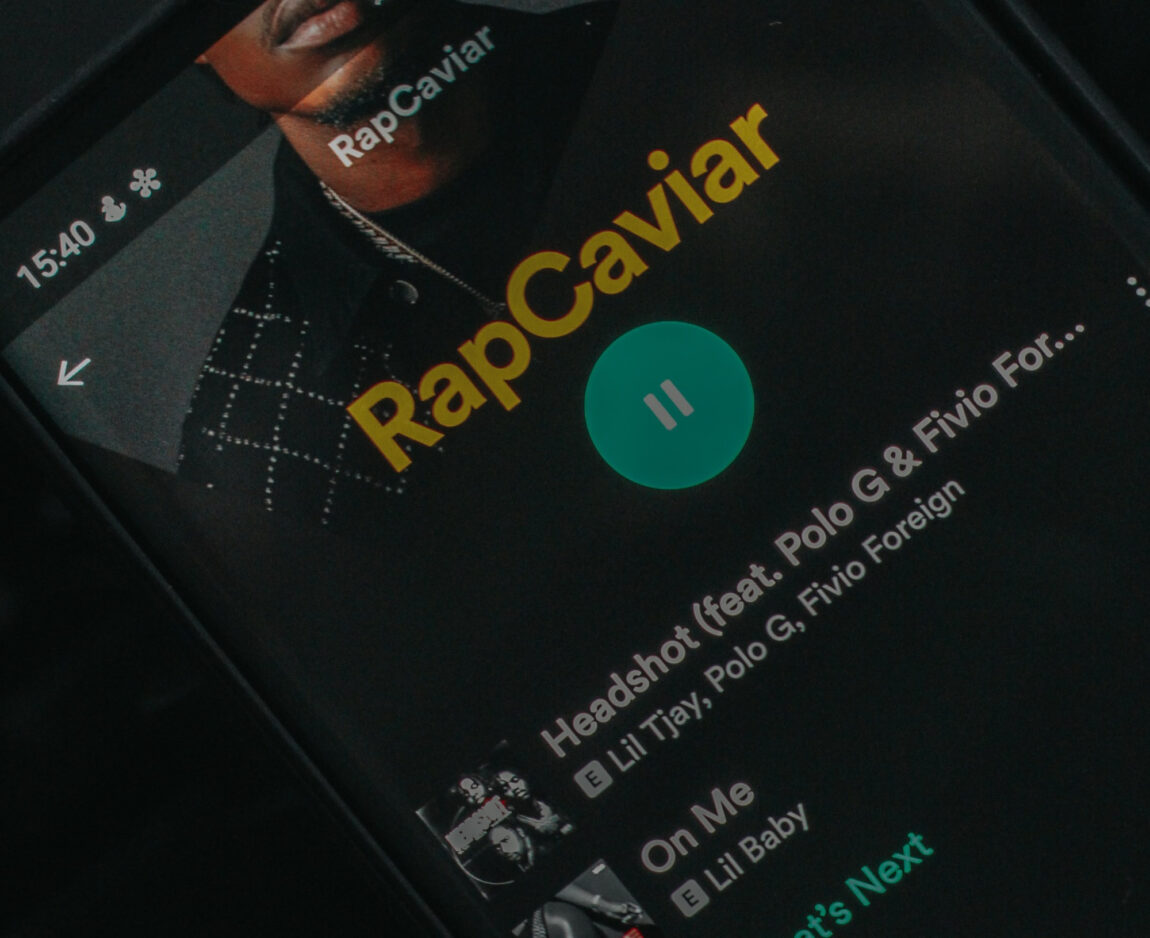
Run ads directly on Spotify to get more followers
Running Spotify ads for musicians can be an effective way to promote your music and grow your fan base on the platform.
The coolest ads format has to be Marquee, which is where you can show interested people a pop-up that’ll take them straight to your new release. Marquee is a great music recommendation tool that doesn’t look like an intrusive advertisement. Whether they turn to followers is up to them of course, but if they’re sold enough by you then they will. However, you need more than 5,000 streams over the past 28 days or more than 1,000 followers, so it’s not really an option for those just starting out.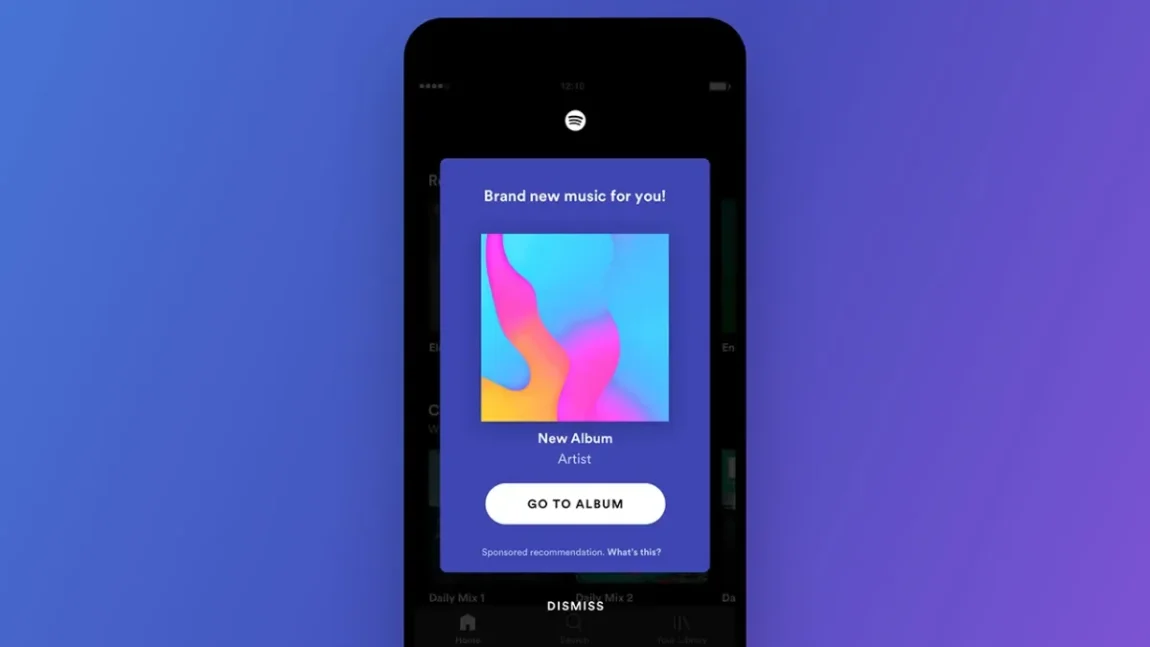
On a per-click basis, Spotify ads are generally more expensive than off-platform ads, but they tend to generate more valuable clicks (since users are already on Spotify, so they’re less likely to drop off). Remember that running any ads are just one part of a comprehensive music promotion strategy.
Final thoughts: Spotify Followers in 2023
Make Use of Spotify for Artists
Spotify offers a platform called Spotify for Artists, where you can access data about your streams, followers, and engagement. This information can help you tailor your strategies and track your progress.
Quality Over Quantity of Spotify Followers
Whilst numbers are nice but it’s all about quality of quantity of your Spotify followers. It’s super important to note that while follower count is a valuable metric, genuine engagement and connection with your audience, across Spotify and socials alike, are ultimately more meaningful. It’s better to have a smaller, engaged fan base than a large number of inactive followers.